





A New Chapter for Indian Travel
For years, tourism in India was defined by historical monuments and cultural hotspots. While these remain vital, a significant transformation is underway. Today’s travellers, both domestic and international, are looking for more. They want holidays that
offer personal growth, relaxation, and unique experiences. This has paved the way for three powerful trends to emerge: cruise tourism, wellness retreats, and modern spiritual journeys. These are not just niche segments anymore; they are becoming central pillars of India's tourism strategy, reflecting a global 'experience economy' where participation and transformation are valued over simple visitation.
All Aboard the Cruise Boom
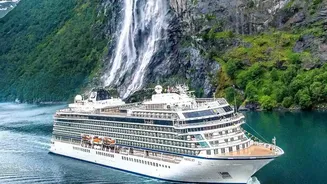
Once a rarity in Indian waters, cruise tourism is now making serious waves. With a vast 7,500-km coastline and extensive river networks, the potential has always been there, but now it is being actively harnessed. The government's 'Cruise Bharat Mission' is a testament to this, aiming to significantly increase passenger traffic by 2029 by developing world-class terminals and infrastructure. Initiatives like easier e-visa processes for cruise passengers are also designed to attract international liners. Operators are responding with new domestic and international routes launching from ports like Mumbai, Kochi, and Chennai, offering everything from short coastal trips to longer river voyages on the Ganges and Brahmaputra. The market is projected to grow exponentially, with some estimates suggesting a 20-25% annual growth rate in the coming years.
The Search for Inner Peace and Wellbeing
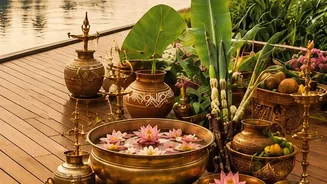
Spiritual tourism in India is as old as time, but its modern form is evolving beyond traditional pilgrimage. It's no longer just about visiting a temple; it's about finding a holistic experience that often blends faith with wellness. Destinations like Varanasi and Rishikesh are being supplemented by a wider array of yoga retreats, meditation centres, and ashrams that cater to a 'multi-dimensional spiritual traveller' seeking personal development alongside religious fulfilment. The government is heavily investing in infrastructure through schemes like PRASHAD to improve connectivity and amenities at these sites. This has led to a boom in domestic travel, with faith-based journeys accounting for a majority of trips and generating significant economic activity.
Wellness as the Primary Destination
The pursuit of health is no longer a chore but a lifestyle, and this is clearly reflected in travel trends. The Indian wellness tourism market is booming, expected to be valued at over USD 30 billion in 2026. Travellers are planning entire trips around Ayurveda, yoga, and naturopathy, seeking rejuvenation from the stresses of modern life. South India, particularly Kerala with its deep-rooted Ayurvedic traditions, has long been a hub, but the trend is now nationwide. From luxury spa resorts in the Himalayas to digital detox escapes, the options are expanding rapidly. This isn't just about incidental spa treatments; it's about primary wellness travel, where the entire holiday is dedicated to improving physical and mental wellbeing.
An Integrated Travel Experience
These three trends are not growing in isolation; they are increasingly interconnected. Cruise lines are incorporating wellness centres and yoga sessions on board. Spiritual circuits are being developed to include elements of local culture, heritage, and wellness activities, creating holistic destination ecosystems. A trip to a spiritual site might now include a stay at a wellness retreat, just as a luxury cruise might offer excursions focused on mindfulness. This convergence caters perfectly to the modern traveller who doesn't see a distinction between vacation, health, and personal discovery. The result is a more diverse, resilient, and appealing tourism offering that positions India as a destination that truly provides an experience, not just a visit.