

What Exactly Is a Ginger Compress?
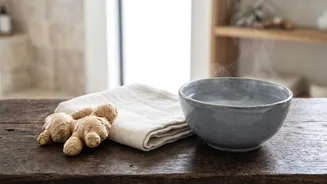
A ginger compress is a traditional remedy that involves applying a cloth soaked in hot, ginger-infused water to the skin. For centuries, it has been used to stimulate circulation, relieve tension, and reduce inflammation. The warmth of the compress combined
with the active compounds in ginger is believed to help soothe a variety of issues, from sore muscles and joint pain to menstrual cramps and backaches. The idea is that the heat helps open up blood vessels, while beneficial components from the ginger are absorbed locally through the skin, delivering targeted relief.
The Potential Benefits of Topical Ginger
Ginger’s power comes from its bioactive compounds, most notably gingerol. This substance is a well-researched antioxidant and anti-inflammatory agent. When applied topically, these properties may help calm irritated skin and reduce localized pain and swelling. Studies have suggested that ginger extract can inhibit inflammatory pathways in the skin, similar in some ways to low-dose hydrocortisone but without the associated long-term risks. This is why ginger compresses are traditionally turned to for conditions like arthritis, muscle stiffness, and other inflammatory complaints.
The Major Risk: Skin Irritation
Despite its benefits, ginger’s potency is also its primary risk, particularly for those with sensitive skin. Direct application of ginger can cause contact dermatitis, a type of skin irritation marked by redness, itching, and a burning sensation. In some cases, it can even cause blistering. This is because the same compounds that provide therapeutic effects can be too harsh for delicate skin. Furthermore, ginger contains compounds called furanocoumarins, which can potentially cause phytophotodermatitis—a reaction where the skin becomes extremely sensitive to sunlight after contact, resulting in a rash that resembles a severe sunburn.
The Patch Test: Your Most Important Step
Before you even consider applying a ginger compress to a large area of your body, performing a patch test is non-negotiable. This simple safety measure can save you from widespread irritation. To do this, prepare the ginger water as you would for a compress. Once it has cooled to a safe temperature, apply a small amount to a discreet patch of skin, like the inside of your wrist or elbow. Wait for 24 hours to see if any redness, itching, swelling, or other signs of irritation develop. If your skin reacts, a ginger compress is not the right remedy for you. If there is no reaction, you can proceed with caution.
How to Prepare a Ginger Compress Safely
If you've passed the patch test, you can prepare a compress. Grate about a golf-ball-sized piece of fresh ginger and wrap it in a cheesecloth or thin cotton pouch. Bring a pot of water to a boil, then reduce the heat and let the ginger pouch steep for 5-10 minutes. Turn off the heat and let the water cool until it is hot but not scalding. Dip a clean towel into the ginger water, wring it out, and test the temperature carefully before applying. Place it on the affected area for 15-20 minutes. Never apply a ginger compress to broken skin, and always listen to your body—if you feel any discomfort or burning, remove it immediately.
Who Should Avoid This Remedy?
Ginger compresses are not suitable for everyone. Individuals with known allergies to ginger should obviously avoid them. People with chronic or severe sensitive skin conditions, such as eczema or rosacea, should also steer clear, as the compress is likely to cause a flare-up. It’s also advised to avoid using compresses during a high fever or pregnancy. If you are unsure, or if you have an existing medical condition, it is always best to consult with a healthcare professional or dermatologist before trying any new home remedy, including a ginger compress.