





The New Definition of Opulence
For generations, luxury was synonymous with more: bigger suites, boundless buffets, and unrestrained consumption. Today, that definition is being radically updated. The new luxury is increasingly defined by purpose, longevity, and responsibility. Affluent
travellers, particularly younger Gen Z and Millennial consumers, are now seeking experiences that align with their values. They are asking critical questions about a brand's ethical footprint, from its supply chains to its community impact. This has shifted the focus from conspicuous consumption to conscious consumption, where the story behind a product and the integrity of an experience are as valuable as the price tag. Brands are responding, understanding that to appeal to the modern luxury market means demonstrating a genuine commitment to social and ecological responsibility.
From Blue-Chip to Blue Planet
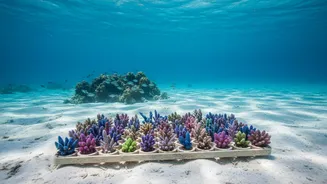
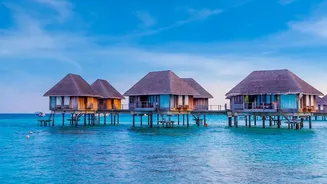
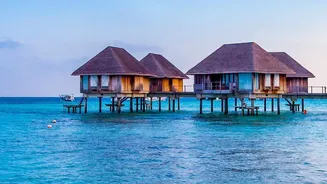
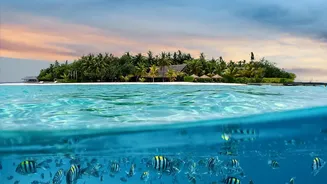
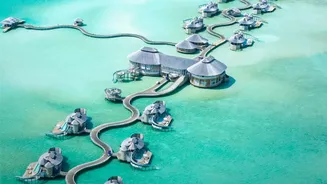
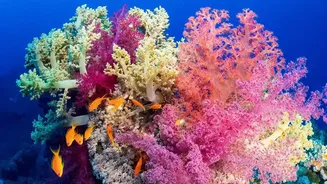
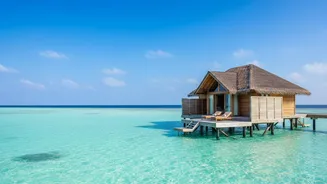
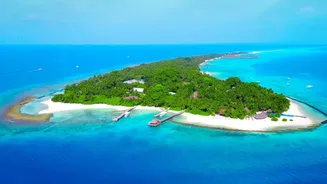
Nowhere is this shift more visible than in the world of high-end travel, where the health of the planet is directly linked to the quality of the experience. For resorts in destinations like the Maldives, Fiji, or the Caribbean, the vibrant coral reefs are not just a scenic backdrop; they are the main attraction. With reefs worldwide under threat, leading hotels are becoming active custodians of their marine environments. This goes far beyond asking guests to reuse towels. Luxury properties are now home to resident marine biologists and state-of-the-art research labs. Resorts like Six Senses Laamu in the Maldives have pioneered coral larval restoration programs, releasing millions of larvae to regenerate the surrounding reefs. Guests are invited to participate directly, joining scientists to plant coral fragments or track sea turtle populations, turning a vacation into a hands-on conservation mission. This deep engagement transforms the guest from a passive observer to an active participant in preserving paradise.
The War on Waste in Five-Star Settings
The traditional hotel model generates enormous waste, a fact that sits uncomfortably with the new ethos of sustainable luxury. In response, top-tier hotels are overhauling their operations. The most obvious target has been single-use plastics. Mini plastic toiletry bottles are being replaced with large, refillable dispensers made from glass or ceramic, and plastic water bottles are disappearing in favour of on-site filtered water stations. The Hongkong and Shanghai Hotels, owners of the Peninsula chain, have made their in-room amenities almost entirely free of petroleum-based plastic. The battle extends to the kitchen, one of the biggest sources of hotel waste. Chefs are championing 'root-to-leaf' and 'nose-to-tail' cooking, finding creative uses for ingredients that were once discarded. Excess food is being donated, and what remains is often composted for hotel gardens, creating a closed-loop system where waste is transformed into a resource.
Authenticity Over 'Greenwashing'
With sustainability becoming a powerful marketing tool, discerning travellers are wary of 'greenwashing'—superficial claims that lack real substance. The brands winning trust are those that offer transparency and tangible proof of their efforts. This includes pursuing credible third-party certifications, like B-Corp status or EarthCheck, and publishing detailed sustainability reports. The most respected eco-luxury resorts integrate sustainability into the very core of their design and operations, from using renewable energy and locally sourced building materials to ensuring fair wages for their local staff. For the conscious traveller, the new benchmark for a five-star rating isn't just about service and amenities; it's about the verifiable, positive impact the property has on its environment and community. True luxury, it turns out, is a force for good.