





The Numbers Don't Lie
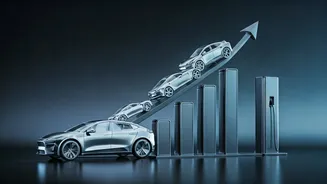
India's electric passenger vehicle market saw a dramatic surge in the first quarter of fiscal year 2027, covering April to June 2026. According to government Vahan data, retail EV registrations soared to 82,737 units, an 89.3% year-on-year increase from
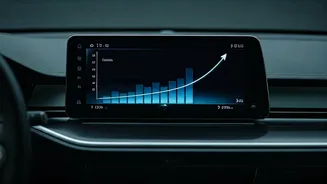
the 43,710 units sold in the same period last year. This significant jump underscores a pivotal shift in consumer preference and market dynamics, moving electric cars from a niche segment toward the mainstream. The momentum was consistent, with monthly sales showing an upward trend throughout the quarter, culminating in record volumes in June. This performance has set the stage for annual sales to potentially cross 300,000 units for the first time in 2026.
Tata Motors Extends Its Lead
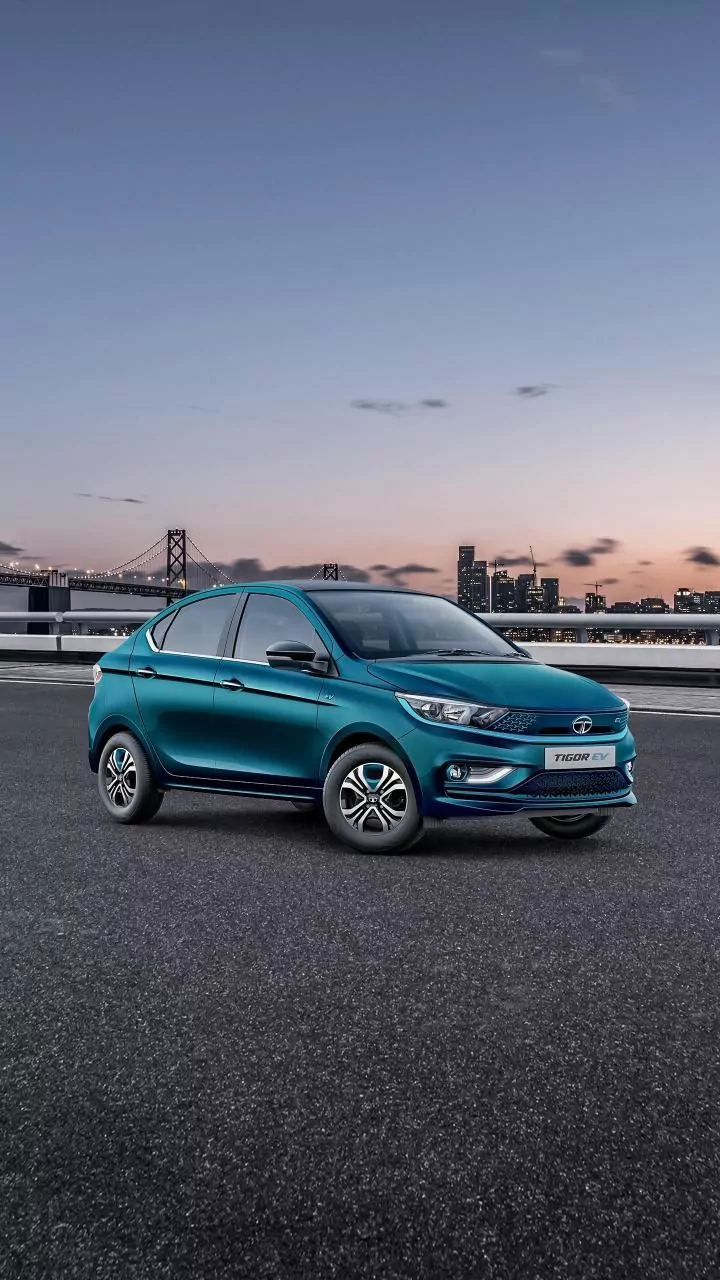
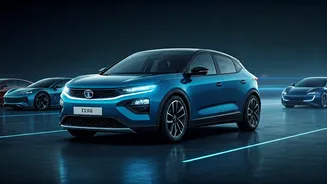
Tata Motors continued its reign as the undisputed leader in India's EV space. The company more than doubled its registrations to 32,283 units in Q1 FY27, up from 15,794 units a year earlier. This commanding performance increased its market share to 39%, demonstrating its deep-rooted advantage with a diverse portfolio that includes popular models like the Nexon EV and Punch EV. According to company filings, its EV business posted record numbers, with sales growing 112% year-on-year for the quarter. June 2026 became the company's best-ever month for EV sales, indicating that its multi-powertrain strategy is resonating strongly with Indian buyers.
A New Challenger Emerges
While Tata leads, the competition is heating up significantly. Mahindra & Mahindra has solidified its position as a powerful number two, nearly doubling its EV registrations to 20,112 units from 10,144 in the previous year. This impressive 98% growth, fueled by its expanding lineup of electric SUVs, shows that the market is no longer a one-horse race. JSW MG Motor India held onto the third spot with 16,502 units, though its growth was more modest. The quarter also marked the impactful debut of new players. Maruti Suzuki, previously absent from the EV scene, registered 4,894 units with its new e Vitara, while Vietnamese manufacturer VinFast made a strong first impression with 3,973 registrations. Conversely, Hyundai Motor India saw its EV volumes slide during the same period.
The Fuel Behind The Fire
Several factors are contributing to this electric boom. Supportive government policies, including state-level subsidies and road tax waivers, have been crucial in making EVs more affordable. Although the central government's PM E-DRIVE (often called FAME III) scheme focuses primarily on two-wheelers and commercial vehicles, the ecosystem benefits have trickled down. Furthermore, a wider range of available models, particularly in the sub-₹15 lakh segment, is making electric cars accessible to more buyers. Carmakers are launching vehicles with advanced technology like digital cockpits and improved safety features, which have become key purchase drivers. Advancements in battery technology are also helping to ease 'range anxiety', with newer models offering practical driving ranges of 300-450 kilometres.
Charging Forward, But Roadblocks Remain
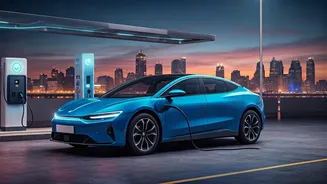
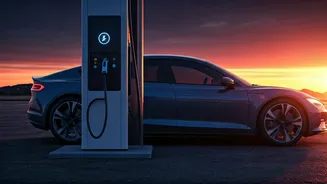
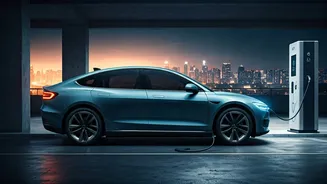
The expansion of charging infrastructure is a critical component of this growth story. As of early 2026, India has over 27,000 public charging stations, with a significant push to install fast chargers along highways and in major cities. Public charging points have reportedly tripled since 2024, helping to reduce range anxiety for urban and inter-city travel on major routes. However, challenges persist. The density of chargers drops significantly in Tier-2 and Tier-3 cities, and issues like charger reliability and varied payment systems can still cause frustration for drivers. While home charging remains the primary method for most owners, a truly pervasive and hassle-free public network is still a few years away from becoming a reality for everyone, everywhere.