



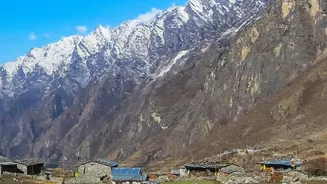
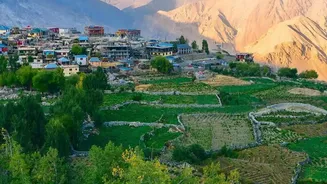
A Riot of Colour at 10,600 Feet
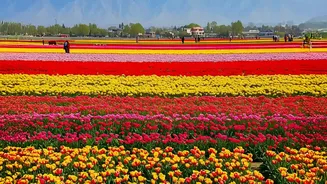
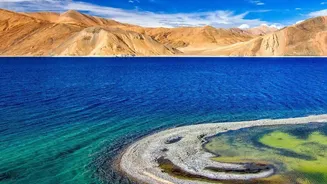
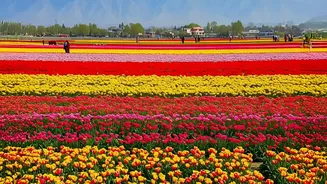
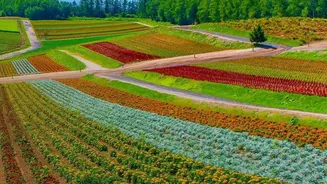
In a landscape famed for its beautiful barrenness, two vast fields have erupted in a symphony of colour, transforming the visitor experience. Located at Choglamsar and Stakna near Leh, these twin flower fields are situated at a staggering altitude of 10,600
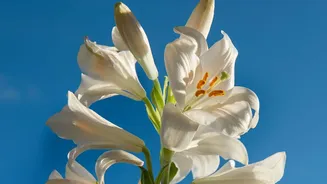
feet, making them the highest in the world. Spread across 40 acres, the fields are home to over 2.5 million flowers, predominantly Lilium and Gladiolus. Inaugurated in mid-September 2026, the attraction opened its gates to the public, offering a striking contrast to the region's rugged terrain. The Choglamsar field, developed in just two months, saw its first blooms in early September, while the Stakna field is expected to be in full bloom by late October.
Sowing the Seeds of a New Economy
This colourful spectacle was born from a calculated experiment with a clear economic goal: to diversify Ladakh's agricultural landscape and create new livelihood opportunities for its residents. Conceived by Ladakh's administration, the project is a pioneering high-altitude floriculture initiative designed to introduce commercial flower cultivation to the region. The idea was to leverage Ladakh's unique agro-climatic conditions, which are surprisingly ideal for growing high-value flowers like Lilium that thrive in colder temperatures. The project was implemented with scientific and technical support from the CSIR-Institute of Himalayan Bioresource Technology, Palampur, aiming to produce premium flowers for national and international markets.
From Agricultural Trial to Tourist Trail
While the primary goal was economic empowerment, the visual appeal of the blooming fields quickly turned them into a major tourist draw. Since opening, the sites have attracted hundreds of daily visitors, eager to witness the surreal sight of millions of flowers against the Himalayan backdrop. The fields were inaugurated by Ladakh's Lieutenant Governor, V. K. Saxena, to mark Prime Minister Narendra Modi's 76th birthday. For a nominal entry fee of ₹25 for adults and ₹10 for children, tourists and locals can wander through the vibrant rows of red, pink, white, and yellow blooms. The revenue generated from ticket sales is earmarked for the maintenance and upkeep of the gardens.
A Sustainable Model for the Future
The initiative is more than just a pretty picture; it's a blueprint for sustainable development in the region. The flower fields also serve as training and demonstration centres for local farmers and youth, providing them with skills in modern cultivation techniques and post-harvest management. In its first year, the Agriculture Department is overseeing the cultivation. Afterward, the plan is to hand over the fields to local Self-Help Groups (SHGs) and cooperatives for commercial cultivation, ensuring the benefits flow directly back into the community. The success of this pilot has already spurred action, with the first air consignment of 15,000 Lilium stems shipped to markets in Delhi, Mumbai, and Chandigarh in late September. This successful first step has paved the way for replicating the model in other parts of Ladakh, with the administration aiming to bring 200 acres under floriculture by next year.