



The climate crisis is not a shared burden. A damning new report from Oxfam lays bare a shocking 'disaster divide', revealing that the climate crisis is a story of profound economic injustice, driven and exploited by the world's wealthiest few.
A Crisis of Extreme Carbon Inequality
The central
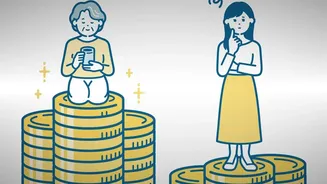
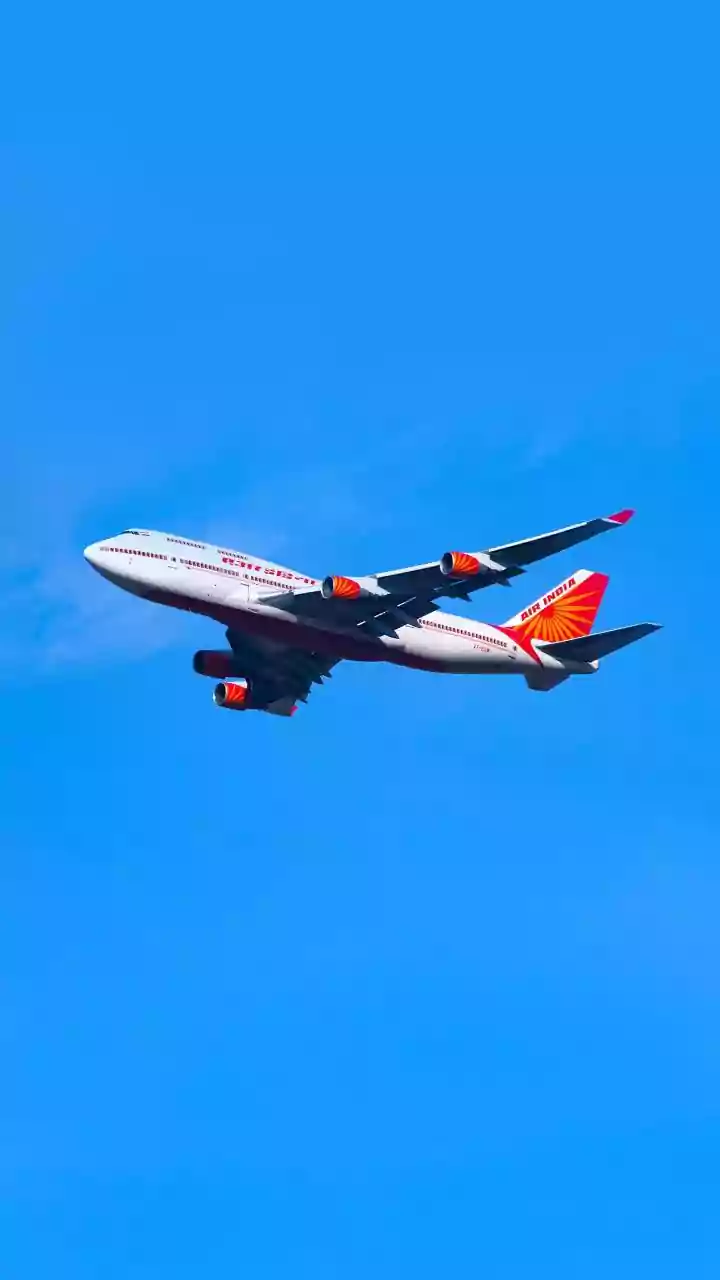
finding of Oxfam's new 'Disaster Divide' report is staggering: the world's richest 0.1 percent, a tiny group of just 8 million people, produce more carbon pollution than the poorest 3.5 billion people combined. This isn't a small disparity; it is a chasm. These ultra-rich individuals and their investments are disproportionately fuelling climate breakdown. Through lavish lifestyles, investments in polluting industries, and extensive use of private jets, this elite group is accelerating a crisis they are largely insulated from. The report calculates that a person in the top 0.1 percent has contributed nearly 400 times more to today's extreme heatwaves than someone in the poorest half of humanity. The emissions of the richest 1% are responsible for an estimated 20% of global warming since 1990. This isn't just an abstract number; it has lethal consequences.
The Human Cost of Economic Disparity
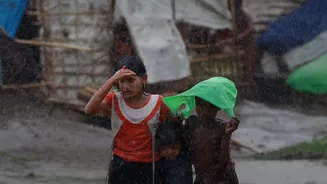
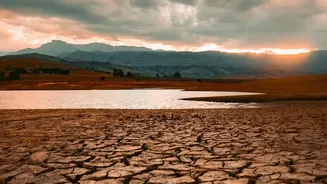
Oxfam's analysis translates these emissions into a devastating human toll. A single year of emissions from the world's richest 1 percent is projected to cause 1.9 million excess heat-related deaths. Crucially, 78% of these deaths are expected to occur in low and lower-middle-income countries—the very nations that have contributed the least to the crisis. For nations like India, which are highly vulnerable to extreme weather, this is a direct threat. The people who suffer most are those least responsible: small-scale farmers whose crops fail in droughts, coastal communities displaced by rising seas, and daily wage earners who cannot work in extreme heat. The report underscores a grim reality: deaths from flooding are seven times higher in more unequal countries. This is because wealth buys safety—private insurance, homes in safer areas, and the resources to rebuild, luxuries the vast majority cannot afford.
Profiting from Pollution and Pain
Perhaps the most shocking revelation is what Oxfam calls the 'double dividend' for the super-rich. They not only profit from the polluting industries that cause climate change, but they are also increasingly cashing in on its consequences. The report identifies a booming 'disaster economy', a market for recovery and reconstruction projected to grow to $92 billion annually by 2029. The ultra-rich are heavily invested in companies that provide everything from firefighting equipment to food and loans in the aftermath of climate disasters. Oxfam identifies 217 such corporations in its 'Destroy & Rebuild Index'. This creates a perverse incentive to delay climate action. As one Oxfam executive put it, 'The ultra-rich are setting the planet on fire and then charging the rest of us for the extinguishers'. They profit from the pollution, the disaster, and the clean-up, all while ordinary people lose their homes, savings, and livelihoods.
A Call for Climate Justice
In the face of this stark inequality, Oxfam argues that climate action must be rooted in economic justice. The report calls on governments to make rich polluters pay for the damage they cause. Key recommendations include implementing permanent wealth and income taxes on the super-rich, placing a windfall tax on fossil fuel corporations, and introducing punitive taxes on high-emission luxury items like private jets. This revenue, the organisation argues, could fund a just transition to renewable energy and help vulnerable communities adapt to the climate impacts they are already facing. Furthermore, Oxfam highlights the failure of current climate finance models, where rich countries often provide loans instead of grants, pushing developing nations deeper into debt. The call is for a fundamental shift: a system that prioritizes the well being of people and the planet over the profits of a wealthy few.