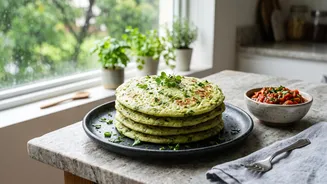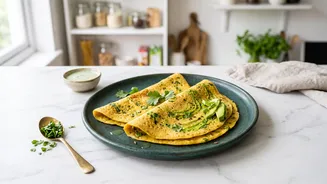


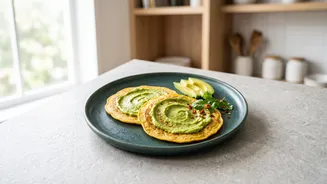
The avocado cheela is a modern culinary mashup that sounds instantly appealing: the creamy, healthy fats of avocado combined with the savoury, protein-rich goodness of a traditional besan cheela. It's a powerhouse breakfast or snack.
A Perfect Fusion of Health and Taste
The classic cheela,
a savoury pancake typically made from gram flour (besan), is a staple in many Indian households, celebrated for being quick, nutritious, and versatile. By introducing avocado, you're not just adding a trendy ingredient; you're enhancing the dish with monounsaturated fats, which are great for heart health, and a host of vitamins. The combination of protein from the besan and healthy fats from the avocado creates a filling meal that helps keep blood sugar levels stable, preventing energy crashes later in the day. This fusion dish brings a creamy texture and a subtle, nutty flavour that beautifully complements the earthiness of the gram flour.
Mastering the Batter: Consistency is Key
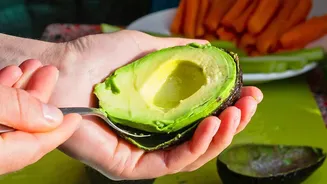
The success of any cheela lies in its batter, and an avocado cheela is no exception. The goal is a smooth, pourable consistency that is neither too thick nor too thin. A batter that's too watery will spread too much and break easily, while one that's too thick will be difficult to spread and may cook unevenly, resulting in a dense, rubbery texture. Start by mashing a ripe avocado until it's smooth, then whisk it into your besan. Add water gradually, mixing continuously to avoid lumps. A good rule of thumb is to let the batter rest for 15-20 minutes. This allows the besan to fully hydrate, creating a more cohesive mixture that holds together well on the pan. For extra binding power, some cooks recommend adding a tablespoon of rice flour or semolina (suji) to the mix.
Getting the Pan and Temperature Just Right
One of the most common frustrations when making cheelas is having them stick to the pan and tear. This is often a temperature issue. Always preheat your pan over a medium flame; a non-stick or well-seasoned cast-iron tawa is ideal. To check if the pan is ready, sprinkle a few drops of water on it. If they sizzle and evaporate quickly, you're good to go. If the pan is too cold, the batter will stick; if it's scorching hot, the cheela will burn on the outside before cooking through. Before pouring the batter for each cheela, lightly grease the pan with a few drops of oil. Use the back of a ladle to spread the batter in a circular motion, but don't make it too thin, as this can also cause it to break.
Patience Is a Virtue: The Flip
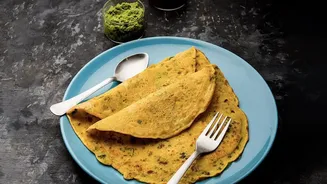
The final test of a good cheela is the flip. Rushing this step is a primary cause of breakage. You'll know the cheela is ready to be turned when the edges start to crisp up and lift away from the pan, and the surface no longer looks wet or glossy. Drizzle a little oil around the edges as it cooks to help it release cleanly. Use a wide, thin spatula to get underneath as much of the surface as possible, and flip it confidently. Cook the other side for another minute or two until you see golden-brown spots. The result should be a pancake that is soft and creamy on the inside with a satisfyingly golden exterior.
Flavor Pairings and Serving Suggestions
Avocado's mild, creamy flavour pairs well with a variety of spices and accompaniments. Finely chopped onions, green chillies, and fresh coriander are classic additions to any cheela batter. You can also add spices like cumin, turmeric, and ajwain (carom seeds) to enhance the taste. For serving, the possibilities are endless. A simple dollop of yogurt or a side of fresh mint chutney works beautifully. For a more substantial meal, you can top the cheela with grated paneer, chopped tomatoes, or even a sprinkle of feta cheese. Don't be afraid to experiment with different vegetables like grated carrots or finely chopped spinach in the batter for added nutrition.