





The Energy: Social Synchronicity vs. Solo Flow
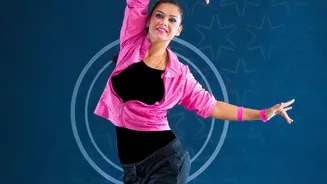
Zumba's primary psychological advantage is its powerful group dynamic. Classes are built on collective energy, with an instructor guiding everyone through synchronized moves to loud, upbeat music. This creates a social, party-like atmosphere that can
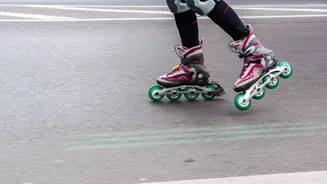
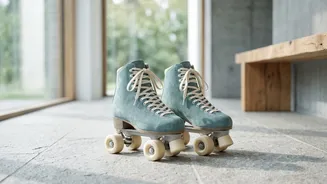
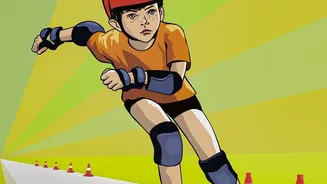
be incredibly infectious. If you arrive feeling lethargic or unmotivated, the sheer force of the group's enthusiasm can lift your spirits and carry you through the workout. It’s a shared experience that fosters a sense of community and belonging, which itself is a potent mood booster. Roller skating, on the other hand, often offers the opposite: a state of individual flow. Whether you're at a rink or outdoors, the focus is internal—on your balance, your movement, and the rhythmic glide of wheels on a surface. While it can be a social activity, the core experience is deeply personal. For someone feeling overwhelmed or overstimulated, the meditative quality of skating can be a welcome escape, allowing the mind to quiet down as the body takes over.
The Challenge: Guided Success vs. Self-Taught Satisfaction
When it comes to accessibility, Zumba offers almost instant gratification. The choreography is designed to be easy to follow, and the emphasis is on moving and having fun, not perfect execution. This low barrier to entry means you can feel successful from your very first class, which is a significant confidence booster. There's no real risk of “failing” at Zumba. Roller skating presents a steeper learning curve. For beginners, the initial phase can be marked by frustration, a fear of falling, and a feeling of clumsiness. This can be a major deterrent if you're already in a low mood. However, overcoming this challenge yields a different, perhaps deeper, sense of accomplishment. Each new skill mastered—from stopping smoothly to skating backward—provides a powerful hit of self-efficacy. This journey of progression can be incredibly rewarding for those who have the patience for it.
The Mindset: Structure vs. Freedom
Your mental state often dictates whether you crave structure or freedom. Zumba provides a highly structured environment. The music is chosen, the moves are choreographed, and the hour is planned from start to finish. For a mind cluttered with decisions and stress, this can be a relief; you don’t have to think, you just have to follow. The class structure takes the mental load off your shoulders. Roller skating is the epitome of unstructured movement. You decide where to go, how fast to skate, and what music to listen to—if any. This freedom can be liberating, offering a sense of control and self-expression that is hard to find in a choreographed class. It allows you to tailor the experience directly to your energy level and emotional needs in that specific moment. If you feel energetic, you can skate hard; if you feel contemplative, you can glide slowly.
The Mood Guarantee: There Isn't One
Here's the truth: neither activity guarantees a better mood every single time. Your existing emotional state will heavily influence the outcome. On a day when you feel socially withdrawn or irritable, the high-energy, perky environment of a Zumba class might feel abrasive rather than uplifting. The pressure to smile and be energetic could feel like a chore. Conversely, if you're feeling lonely or in need of a distraction, the solitude and focus required for roller skating might amplify feelings of isolation. The key is learning to read your own mood. Some days, you'll need the external validation and structured energy of a Zumba class to pull you out of a funk. On other days, you'll need the quiet, meditative freedom of skating to process your thoughts and find your center.