



The Okavango Delta: A Water-Lover’s Paradise
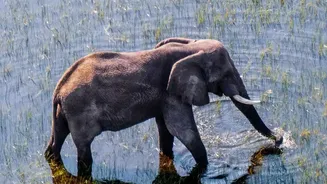
The journey for many begins in the Okavango Delta, a UNESCO World Heritage Site and one of nature’s great miracles. Here, water from the Angolan highlands fans out across the Kalahari Desert, creating a 15,000-square-kilometre oasis of lagoons, channels,
and palm-fringed islands. Unlike any other destination, the Delta’s rhythm is dictated by its seasonal floods, offering a safari experience that is both water- and land-based. The signature activity is a tranquil trip in a mokoro, a traditional dugout canoe, gliding silently through reed-lined waterways. This provides a ground-level perspective on the smaller wonders of the ecosystem, from tiny frogs to dazzling kingfishers. Game drives on the islands reveal abundant wildlife, including elephants, lions, and leopards, while boat safaris explore deeper channels where hippos and crocodiles reside. Combining water and land activities makes the Delta an essential first stop for a comprehensive Botswana itinerary.
Chobe National Park: Land of Giants
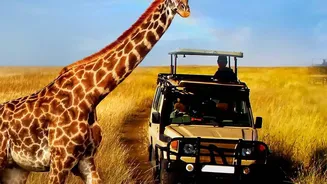
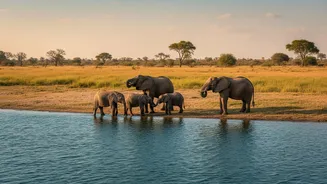
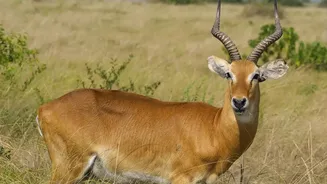
Next, head north to Chobe National Park, a region defined by one animal: the elephant. Chobe is home to the world's largest concentration of African elephants, with a population estimated to be around 50,000. During the dry season, from May to October, these gentle giants congregate in enormous herds along the Chobe River. A riverfront boat cruise is an unforgettable experience, offering front-row seats as hundreds of elephants drink, bathe, and play in the water. But Chobe is more than just elephants. The park's diverse habitats support massive herds of buffalo, families of giraffes, and the rare puku antelope. The Savuti Marsh area of Chobe is also famous for its intense predator action, including lion prides known for hunting elephants. Its accessibility and sheer density of wildlife make Chobe a cornerstone of any multi-stop journey.
The Linyanti: A Wild and Private Frontier
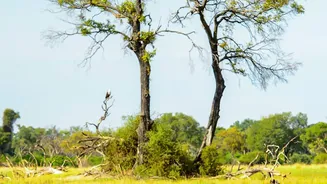
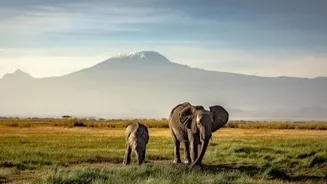
For a more exclusive and wild experience, the Linyanti concession offers a perfect contrast. Sandwiched between Chobe and the Okavango, this vast private reserve is known for its seclusion and high-action predator sightings. Because it consists of private concessions, safari activities are more flexible, with guides able to drive off-road to follow wildlife and conduct night drives to spot nocturnal creatures. The Linyanti is a stronghold for lions, leopards, and especially the endangered African wild dog. It also hosts enormous herds of elephants and buffalo that move between the permanent waters of the Linyanti River and the surrounding woodlands. For travellers seeking an intimate safari far from the crowds, with a focus on predators and a sense of raw, untouched wilderness, the Linyanti is an unmissable component.
The Makgadikgadi Pans: A Desert of Epic Scale
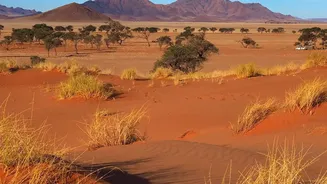
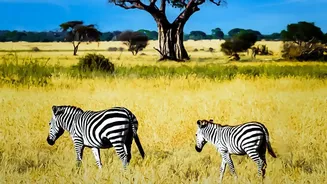
To complete the picture of Botswana’s diversity, the final stop is the Makgadikgadi Pans, one of the largest salt flat systems in the world. This is a landscape of stark, minimalist beauty, offering experiences found nowhere else on the continent. In the dry season, the pans are a vast, white, and silent expanse perfect for quad biking adventures and sleeping out under a blanket of stars. It's also a place for unique wildlife encounters, like walking with habituated meerkats as they emerge from their burrows at sunrise or learning tracking skills from local San people. With the arrival of the rains, the desert is transformed. The pans fill with water, attracting flocks of flamingos, and the grasslands host a spectacular zebra migration. This profound contrast to the wetlands and woodlands of the north makes the Makgadikgadi an essential final chapter in a truly epic Botswana journey.