

Moving Beyond the Blueprint
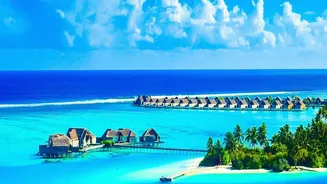
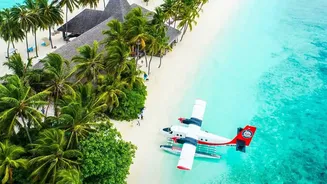
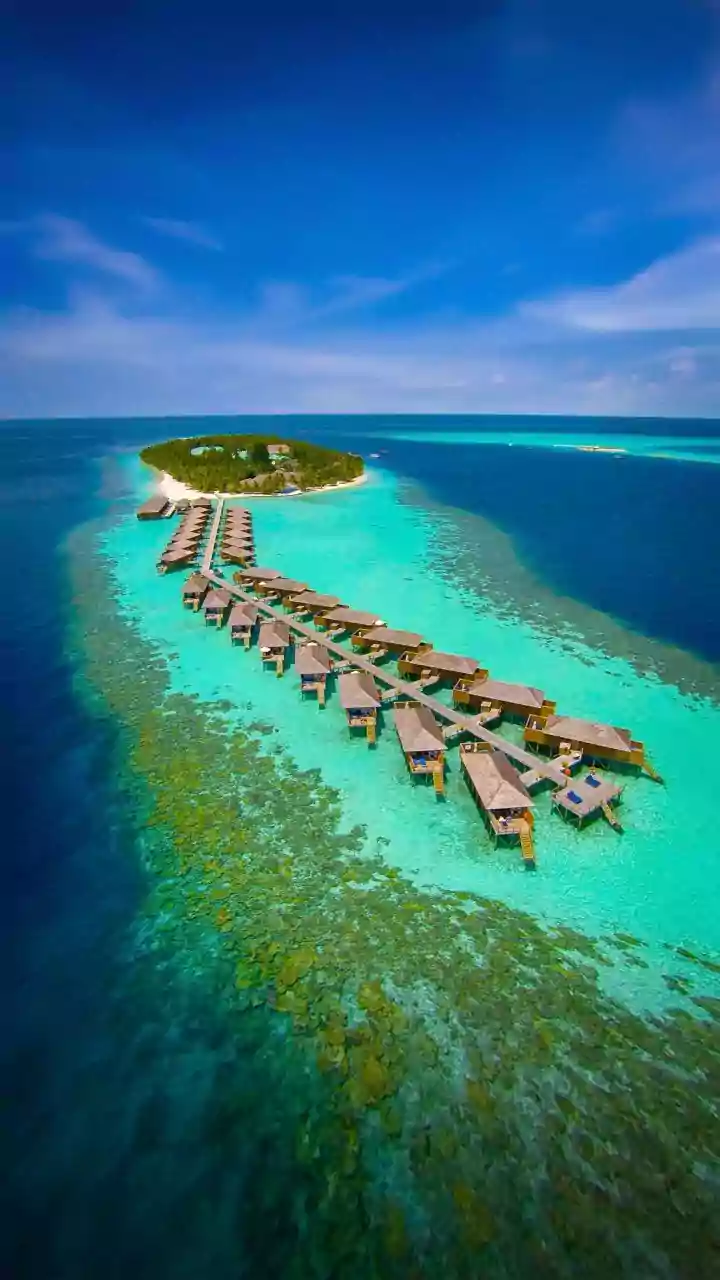
The classic Maldivian luxury holiday once followed a familiar script: a seaplane arrival, a stunning but sterile villa, and international fine dining. While beautiful, this model created an experience that could feel detached from its location. In a competitive
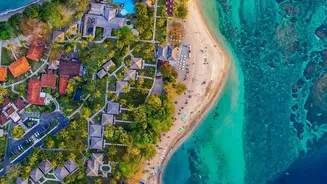
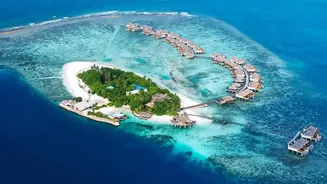
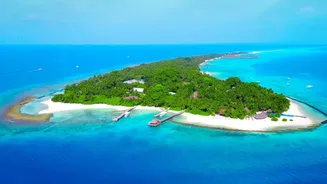
market, discerning travellers are now seeking more. They are trading conspicuous consumption for genuine connection and asking for experiences that are deeply rooted in place. This shift is prompting a move away from large, formulaic resorts towards smaller, boutique properties that emphasize a unique sense of identity and hyper-local immersion. The new luxury isn't just about seeing the Maldives; it's about participating in its culture and environment in a meaningful way.
Architecture with a Story
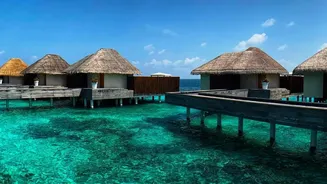
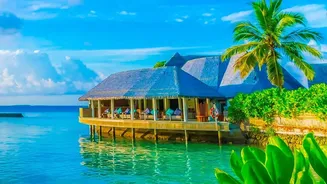
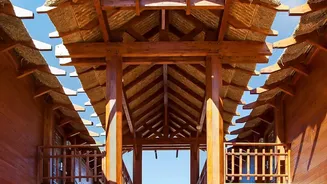
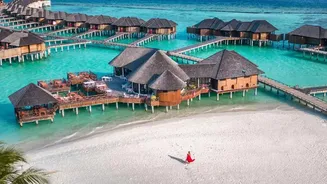
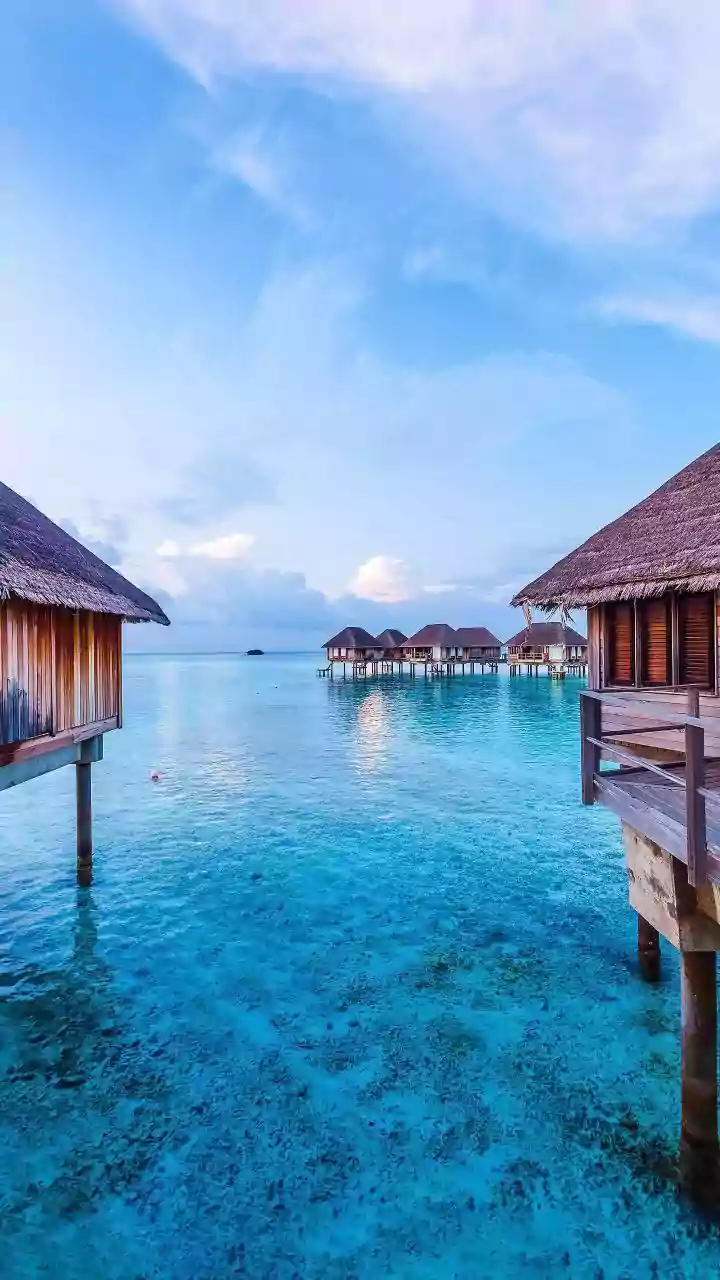
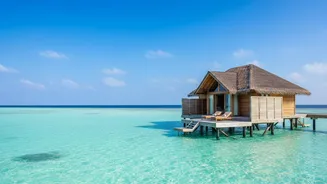
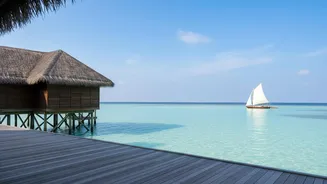
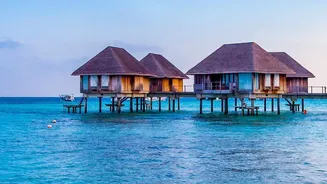
The physical environment of the resorts is one of the most visible signs of this change. Architects are increasingly turning away from generic international designs and embracing Maldivian heritage. New and revamped properties are incorporating local and sustainable materials, traditional craftsmanship, and design motifs inspired by Dhivehi culture. Instead of endless rows of identical villas, you might find structures that echo the form of a traditional dhoni boat or use coconut wood and coral stone in ways that are both modern and respectful of tradition. This approach creates a tangible connection to the islands, allowing guests to feel the spirit of the place in the very walls that surround them.
A Taste of the Atolls
The culinary scene is also undergoing a flavourful revolution. While Michelin-inspired concepts and world-renowned chefs remain a draw, there's a growing emphasis on authentic Maldivian cuisine. Resorts are developing hyper-local dining experiences, celebrating ingredients sourced directly from their atolls. Menus now proudly feature dishes like Mas Huni (a breakfast of tuna, coconut, and onion) and Garudhiya (a fragrant fish broth). Some resorts are establishing their own organic gardens and fostering partnerships with local fishermen to ensure freshness and support communities. Cooking classes led by native chefs guide guests through the aromatic world of local spices, turning a meal into a cultural lesson. This atoll-to-table approach offers a taste of the real Maldives, far beyond the standard resort buffet.
Experiences Rooted in Place
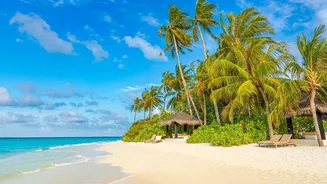
The new Maldivian luxury is defined by participation, not just observation. Resorts are curating unique activities that foster a deeper connection to the local environment and culture. This might mean joining a marine biologist to plant coral and restore the vital reef ecosystems that protect the islands. It could involve a respectfully guided tour of a nearby local island to visit cafes and understand daily life, or learning the art of Boduberu, the traditional Maldivian drumming and dance. Rather than simply lounging on a beach, guests are invited to understand the place they are visiting, contributing to its preservation and appreciating its heritage in a hands-on way.
Sustainability as the Ultimate Luxury
Underpinning this entire movement is a profound and necessary focus on sustainability. In a nation as environmentally fragile as the Maldives, luxury can no longer exist without responsibility. Travellers are increasingly seeking out resorts with strong environmental credentials. This trend goes beyond simply reducing plastic waste; it encompasses everything from using solar power and sophisticated water desalination systems to protecting marine biodiversity. By choosing resorts that prioritize the health of the local ecosystem and the well-being of its communities, travellers are redefining luxury as something that gives back, ensuring that the paradise they enjoy today will exist for generations to come.