



More is More: The Grand Return of Maximalism
The pendulum of style is swinging back towards extravagance. After a period where delicate chains and minimalist studs reigned supreme, the upcoming festive season is set to be defined by a “more is more” philosophy. This revival of maximalism isn't just
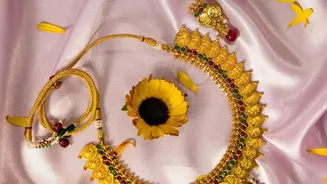
about wearing bigger pieces; it's a celebration of heritage, craftsmanship, and individuality. Fashion experts note a clear shift towards jewellery that commands attention, with consumers embracing pieces that are designed to be noticed. This trend is a joyful rebellion against quiet aesthetics, favouring instead the regal elegance of kundan, polki, and temple jewellery designs that tell a story of India's rich cultural history. It reflects a collective desire for celebration and self-expression, where accessories are not just additions to an outfit, but the main event.
The Art of the Layered Necklace
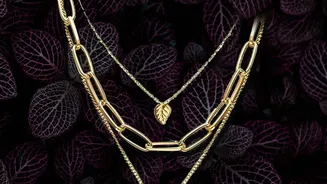
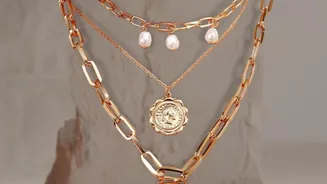
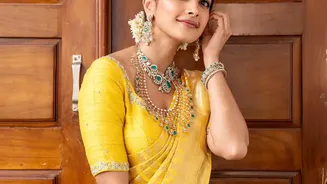
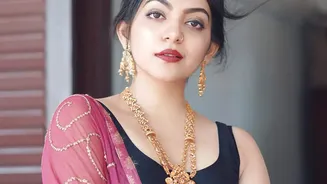
At the heart of the maximalist revival is the layered necklace. The artful combination of multiple necklaces creates depth, drama, and a personalised statement that is perfect for festive occasions. The most timeless and popular pairing involves a choker worn close to the neck with a longer, more ornate piece like a rani haar or satlada. This creates a beautiful balance, framing the face while drawing the eye downward. For this look to feel harmonious, stylists recommend keeping the metal tones and primary gemstones consistent. The goal is to create a composition where each layer has space to shine without feeling overcrowded, resulting in a look that feels both intentional and effortlessly regal.
How to Master the Layered Look
Achieving the perfect layered effect is about balance, not bulk. Start with a choker or collar necklace as your base. This piece should sit snugly against the base of your neck. Your second layer can be a mid-length necklace that sits a few inches lower, followed by a long rani haar that drapes majestically across the chest. Varying the lengths is crucial to prevent the pieces from tangling and to allow each necklace to be seen clearly. While layering heavy pieces creates a stunning bridal look, a more modern approach for festive gatherings involves pairing a statement choker with a single, more delicate long chain for a look that has depth but not overwhelming weight.
Beyond the Neck: A Full Festive Statement
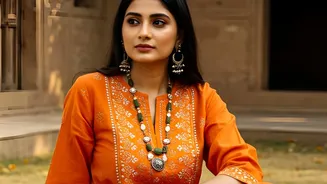
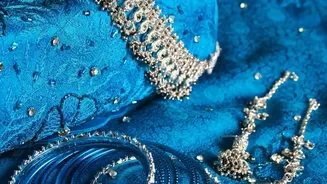
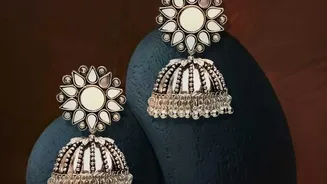
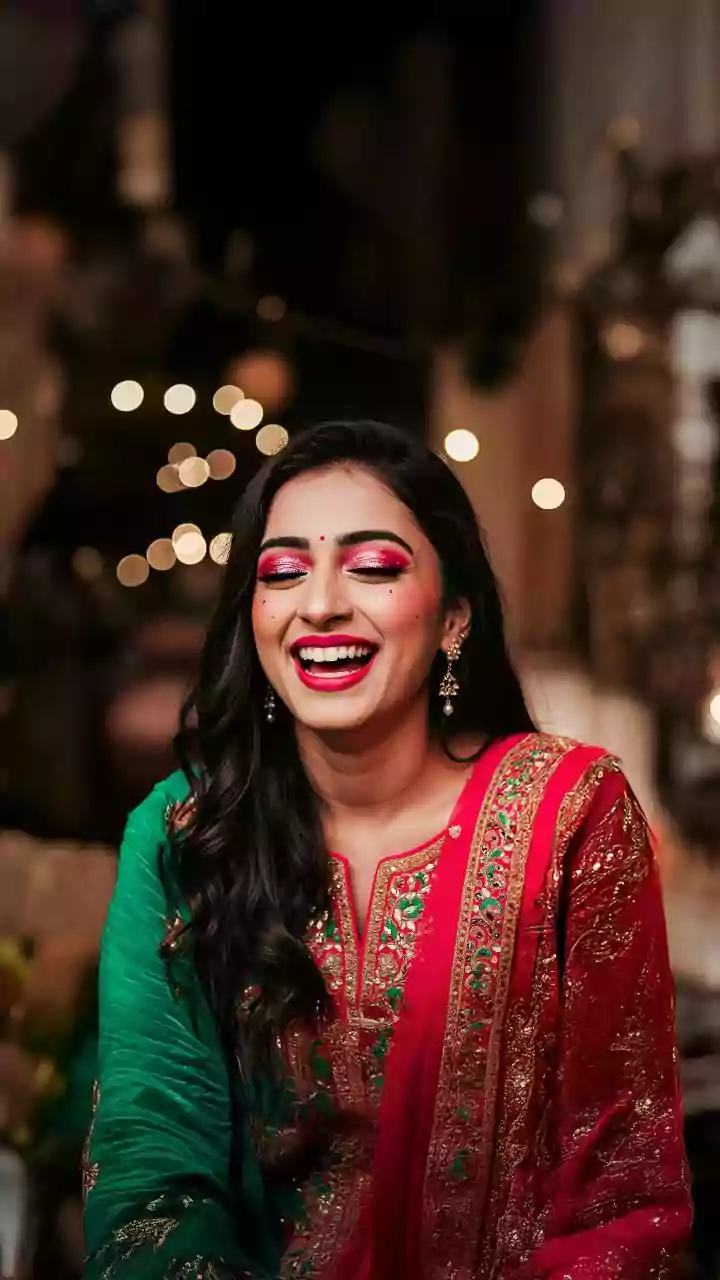
While layered necklaces are the focal point, the maximalist trend extends to all forms of adornment. Statement earrings, such as oversized chandbalis and sculptural jhumkas, are having a major moment. Many are choosing to make bold earrings their single statement piece, especially when wearing a high neckline. On the wrists, the trend is moving beyond single bangles to stacking bracelets and kadas of different textures and widths. Chunky cocktail rings and elaborate maang tikkas are also re-emerging as festive essentials, completing a look that is steeped in tradition yet feels powerfully contemporary. The key is to choose one or two areas to go bold, rather than trying to wear every statement piece at once.
Modernising Your Maximalist Look
Wearing heritage-inspired jewellery doesn't have to mean looking like you stepped out of a historical film. The 2026 approach to maximalism is all about fusion and versatility. A popular way to modernise the trend is by pairing elaborate traditional jewellery, like a layered polki set, with contemporary silhouettes like a sleek, deep-V neck blouse or an Indo-Western gown. This contrast between old and new creates a look that feels fresh and personal. Another approach is to mix textures; for instance, combining a polished gold choker with a string of pearls or uncut stones adds visual interest. This allows you to embrace the grandeur of festive jewellery in a way that reflects your own unique style.