





The Engine Room of the Space Economy
The glamour of a rocket launch often obscures a more mundane, yet far more critical, economic driver: its predictability. A high launch cadence—the frequency and reliability of flights to orbit—is the true engine of the modern space economy. While individual
missions create temporary buzz, a steady, dependable schedule of launches provides the foundation for sustainable industries and, most importantly, long-term jobs. This isn't just about the engineers and technicians on the launchpad. The real growth is in the vast ecosystem that depends on access to space. This includes satellite manufacturers, data analytics firms that interpret Earth observation imagery, and companies developing new in-orbit services like manufacturing and debris removal.
Confidence Through Consistency
A reliable launch schedule is to the space industry what a dependable railway network was to the industrial revolution. It creates certainty. When companies know they can get their satellites or experiments into orbit on a predictable timeline and budget, they gain the confidence to invest and innovate. Without this cadence, business plans crumble. A delayed satellite deployment can mean millions in lost revenue for a telecom company or a critical gap in data for an agricultural firm. Increased launch frequency, particularly with reusable rockets, has drastically lowered costs and reduced these risks, encouraging more players to enter the market. This creates a virtuous cycle: higher cadence leads to more customers, which justifies further investment in launch infrastructure, driving the cadence even higher.
India's Ascent and the Private Push
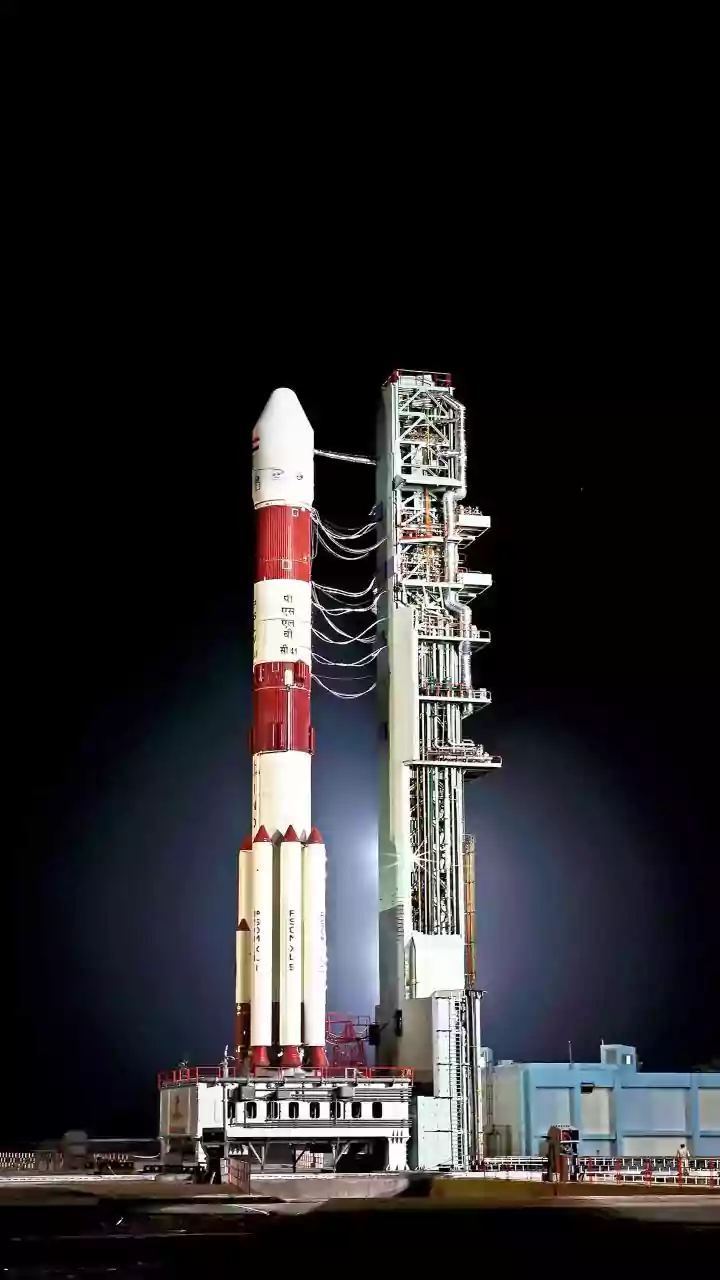
This global trend has profound implications for India. Since the space sector was opened to private investment in 2020, the country has seen a boom in startups, with over 400 new companies entering the field. The recent successful orbital launch by Skyroot Aerospace with its Vikram-1 rocket marks a pivotal moment, proving private Indian enterprise can compete on the world stage. ISRO Chairman V Narayanan has highlighted this, noting that after the reforms, a single startup has blossomed into hundreds. Now, the challenge for companies like Skyroot and Agnikul is to move beyond successful firsts and establish a regular launch cadence. ISRO itself is ramping up its activities, targeting seven launches this financial year and commissioning a new launch complex to support this increased frequency. This push is critical for India's ambition to grow its share of the global space economy from around $8-9 billion today to $44 billion by 2033.
The Bottleneck on the Way to Orbit
However, achieving a high-frequency launch schedule is fraught with challenges. As the number of launches increases globally, spaceports are becoming congested. A 2026 report highlighted that launch infrastructure in the US is already strained, with paperwork, scheduling conflicts, and outdated procedures creating bottlenecks. This means launch delays and rising costs could become more common if infrastructure doesn't keep pace with industry ambition. Furthermore, a higher launch rate exacerbates the problem of space debris, posing risks to operational satellites and future missions. For India, while the growth in private startups is promising, there is also a noted 'brain drain' from ISRO, as experienced scientists and engineers move to the private sector, potentially impacting key government missions. Balancing public and private ambitions while managing infrastructure and regulatory hurdles will be key to sustaining growth.