






What Exactly Is the 5-4-3-2-1 Rule?
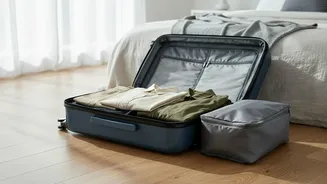
The 5-4-3-2-1 packing method is a straightforward formula designed to create a versatile travel capsule wardrobe that fits into a carry-on. Instead of packing by specific outfits, you pack a curated selection of items by category, with each number representing
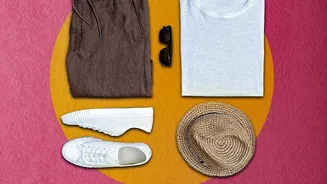
a clothing type. The standard breakdown is five tops, four bottoms, three additional items like layers or shoes, two pairs of shoes or layers, and one accessory. While the exact interpretation of the '3, 2, and 1' can vary slightly, the core principle remains the same: choose a limited number of items that can be mixed and matched to create a surprising number of outfits. This approach forces you to be intentional, shifting the focus from quantity to versatility and combination. The goal is to pack smarter, not more.
The '5' and '4': Your Outfit Foundation
The foundation of this rule rests on your five tops and four bottoms. The crucial element that makes this system work is ensuring that every single one of your five tops can be paired with all four of your bottoms. This single guideline is what multiplies your outfit possibilities. For your tops, consider a mix of styles: a few basic t-shirts or tanks in neutral colours, a blouse or button-down, and perhaps one long-sleeved option. For the four bottoms, choose pieces that suit your destination's climate and your planned activities. A typical selection might include a pair of dark jeans, a pair of tailored trousers or chinos, a pair of shorts, and a versatile skirt. By sticking to a complementary colour palette, you create at least 20 base outfits before even considering other items.
The '3': Dresses, Layers, or Shoes
Here is where the rule shows its flexibility. The '3' can be adapted based on your needs and travel style. For many, this category means three accessories or layering pieces. For others, it’s three pairs of shoes. A popular interpretation, especially for warmer destinations, is three distinct items: one dress, one sweater or cardigan, and one jacket. The dress offers a complete outfit on its own, while the layers are essential for changing weather, chilly airplanes, or air-conditioned restaurants. If you prioritize footwear, you might dedicate this slot to three pairs of shoes: one for extensive walking, one for evenings, and one for a specific activity like swimming or hiking.
The '2': A Pair of Essential Shoes
If you didn't use the previous category for footwear, this is the non-negotiable shoe slot. Shoes are bulky and often the biggest space-hog in a suitcase. Limiting yourself to two pairs is one of the most effective ways to save space. The key is to choose wisely. The first pair should be your workhorse: comfortable shoes you can walk in all day, like a stylish sneaker or a supportive flat. The second pair should serve a different function—perhaps a dressier option like loafers or block heels for dinners, or a pair of sandals if you’re heading to the beach. Make sure both pairs are versatile enough to work with nearly all of your bottoms and your dress, if you packed one.
The '1': Finishing Touches and Essentials
The final '1' can represent several things, giving you another chance to customize. It could be one handbag that works for both day and night, one swimsuit, or one hat. Some people use this slot for a category of small accessories, like a watch, a belt, or a favourite scarf. These small items take up minimal space but can significantly change the look of an outfit, adding personality and polish. This number doesn't typically include absolute necessities like your socks, underwear, and pajamas; the 5-4-3-2-1 structure leaves enough room in your carry-on for those items, along with your toiletries.
Making the Rule Work for You
The beauty of the 5-4-3-2-1 method lies in its adaptability. It's not a rigid mandate but a flexible framework. Before packing, consider your destination, the weather forecast, and your planned activities. A business trip will require a different set of items than a beach vacation. The key is to adhere to the principle of mix-and-match versatility. Lay out your potential items and test the combinations before they go in the bag. Does every top really work with every bottom? Can your shoes transition from day to night? This small amount of prep work is what frees you from the stress of overpacking and the burden of heavy luggage.