





A Landmark Runway in Auckland
On August 18, 2026, New Zealand Fashion Week will host "Khadi Beyond Borders," a significant showcase born from a partnership between the Fashion Design Council of India (FDCI) and NZFW. This collaboration, part of a memorandum of understanding signed
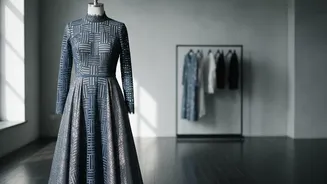
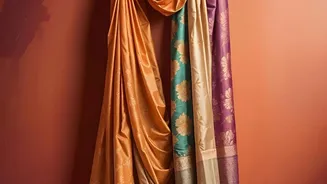
during a high-level trade mission, aims to create a global platform for designers from both nations. The event will be headlined by one of India's most influential contemporary designers, Rajesh Pratap Singh, who is renowned for his clean lines and technical finesse. He will be joined by a collaborative presentation from fellow designers Samant Chauhan, Shruti Sancheti, and Pawan Sachdeva, each set to tell a unique story through the hand-spun, hand-woven textile. The showcase is a deliberate move to present Khadi's versatility and contemporary relevance to a new international audience, solidifying its place on the global fashion map.
The Enduring Legacy of a Humble Thread
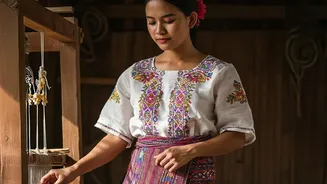
To understand the significance of this moment, one must look back at Khadi's profound history. More than just a textile, Khadi is woven into the very fabric of India's identity. Championed by Mahatma Gandhi during the Swadeshi movement of the early 20th century, the act of spinning yarn on a charkha (spinning wheel) became a powerful symbol of self-reliance and resistance against British colonial rule. By encouraging Indians to boycott foreign-made cloth and embrace locally produced Khadi, Gandhi transformed a simple fabric into a tool for economic empowerment and national pride. This heritage imbues every piece of Khadi with a story of patience, resilience, and freedom that transcends its material form, a story that now travels to international runways.
From Symbol of Freedom to Fashion Statement
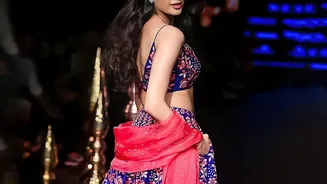
For decades, Khadi was primarily associated with political attire and rural simplicity. Today, however, a new generation of Indian designers is revolutionising its image. They are looking beyond the traditional kurta and exploring Khadi's unique texture and versatility as a canvas for high fashion. Designers like Sabyasachi Mukherjee, Ritu Kumar, and labels such as 11.11 have been instrumental in this shift, crafting everything from intricately embroidered lehengas and sharp blazers to slouchy jackets and even denim from Khadi. Its ability to stay cool in the summer and warm in the winter makes it a practical, year-round fabric. This creative renaissance has transformed Khadi into a sophisticated and desirable material, proving that it can be both a tribute to heritage and a vehicle for contemporary design.
The Appeal of Sustainable Luxury
Khadi's modern appeal extends far beyond its aesthetic and historical value; it aligns perfectly with the growing global demand for sustainable and ethical fashion. In an industry often criticised for its environmental impact, Khadi stands out. Its production is inherently eco-friendly, involving a zero-carbon footprint from being hand-spun and hand-woven, and using minimal water compared to machine-made textiles. This process supports rural artisans and preserves traditional craftsmanship, providing livelihoods for thousands of families in India. For a new wave of conscious consumers who value authenticity, story, and sustainability, Khadi is not just a choice—it is a statement. Its appearance at a major international fashion week signals a broader recognition of slow fashion's luxurious and meaningful appeal.