



Smaller, Lighter, and More Efficient
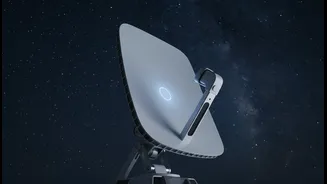
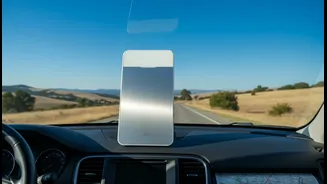
SpaceX has unveiled its next-generation V5 residential dish, and the changes are immediately apparent. The new hardware is dramatically smaller and lighter than its predecessor, the V4. The dish now weighs just 1.1 kg (2.4 pounds), a significant reduction
from the V4's 2.9 kg (6.4 pounds). This makes it far easier to handle and install. But the most significant engineering feat might be its power efficiency. The V5's average power consumption is between 35 and 50 watts, a roughly 50% drop from the 75 to 100 watts required by the V4. This is a game-changing improvement for users who rely on off-grid power sources like solar generators or battery backups, where every watt counts.
A Deliberate Trade-Off: Speed for Usability
Interestingly, the V5 hardware refresh isn't about chasing maximum download speeds. In fact, official specifications show a slight decrease in peak theoretical speed, down to 375+ Mbps from the V4's 400+ Mbps. This move confirms the headline's premise: SpaceX is prioritizing user experience over winning benchmark battles. The decision reflects a strategic pivot. Early adopters were willing to tolerate bulky hardware and high power draw for the novelty of high-speed satellite internet. However, to attract a broader customer base, Starlink must compete with the simplicity of terrestrial internet options. The V5's lighter weight, lower power needs, and easier installation process are all designed to lower the barrier to entry for the average consumer.
What's in the New Kit?
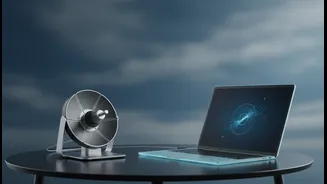
The V5 kit is designed for a simplified setup process. It includes the new, lighter dish, a kickstand for temporary placement, and crucially, a pipe adapter for more permanent roof installations. The kit also bundles a Router Mini. While this router is more compact, it has a more limited Wi-Fi range compared to the Router 3 that shipped with some V4 kits. This suggests SpaceX is segmenting its hardware, with the V5 aimed at standard residential users who may value a smaller footprint over maximum Wi-Fi coverage. For now, the V5 is being offered in select areas of the United States, primarily for new customers signing up for the basic residential plan.
The Business Case for Practicality
Starlink's shift in focus is a clear sign of its evolving business strategy. With a rapidly growing subscriber base, the company's next phase of growth depends on making its product as accessible as possible. Lowering manufacturing and shipping costs through smaller, lighter hardware is a key part of scaling production. Furthermore, by making the hardware easier to install and more energy-efficient, Starlink reduces potential friction points for customers who aren't tech enthusiasts. This user-centric approach is vital as Starlink aims to connect hundreds of millions of terminals worldwide. The V5 is not just a hardware update; it's a tool for mass-market acquisition, positioning Starlink to compete not just on availability, but on convenience.
What This Means for You
For new customers in eligible areas, the V5 offers a more user-friendly entry into the Starlink ecosystem. The installation should be physically easier, and the lower power draw could lead to small but welcome savings on electricity bills. For existing users, the V5 doesn't present a compelling reason to upgrade based on speed alone. However, for those in off-grid situations or who found the V4 dish unwieldy, the significant reduction in weight and power consumption might make the V5 an appealing option. It's important to note that the V5 is not designed for in-motion use, so RV owners and overlanders will still need to look at Starlink's dedicated mobile hardware.