







The Foundation: A Modest Calorie Surplus
Before we talk about specific foods, let’s talk about energy. To build new muscle tissue, your body needs raw materials and energy, which means you must consume slightly more calories than you burn. This is known as a calorie surplus. However, this isn't
a license to eat everything in sight. An aggressive surplus often leads to more fat gain than muscle. A modest surplus of 250–500 extra calories per day is a sustainable starting point for most people. This provides your body with the necessary energy to repair and build muscle after training without adding significant body fat. Think of it as providing just enough extra fuel for construction, not flooding the worksite.
The Building Block: Prioritising Protein
Protein is the non-negotiable nutrient for muscle repair and growth. Resistance training creates tiny tears in your muscle fibres, and protein provides the amino acids needed to mend them and build them back stronger. The scientific consensus for active individuals aiming to build muscle is an intake of around 1.6 to 2.2 grams of protein per kilogram of body weight daily. For a 70kg person, this translates to about 112-154 grams per day. Equally important is how you distribute this protein. Instead of having one massive protein-heavy dinner, aim to spread your intake evenly across 3-5 meals. Each meal should contain around 20-40 grams of protein to maximally stimulate what is known as muscle protein synthesis. High-quality sources easily available in India include eggs, chicken breast, fish, paneer, Greek yoghurt (thick curd), lentils (dal), and soy chunks.
The Fuel Source: Smart Carbohydrates and Fats
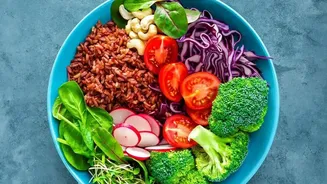
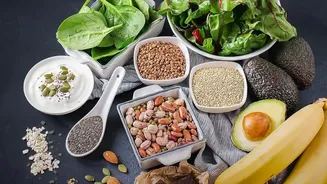
Carbohydrates are your body’s primary fuel source, especially for high-intensity workouts. They are stored in your muscles as glycogen and provide the energy you need to push through tough training sessions. Without enough carbs, your performance can suffer, and your body might even break down muscle tissue for energy. Focus on complex carbohydrates like oats, brown rice, whole wheat roti, and sweet potatoes for sustained energy. Healthy fats are also crucial, playing a vital role in hormone production and overall health. Sources like nuts, seeds, avocado, and olive oil should be a regular part of your diet, though in moderation. A balanced macronutrient split for muscle gain often looks something like 40-50% of calories from carbohydrates, 30-35% from protein, and the remainder from fats.
Nutrient Timing: Practicality Over Panic
The concept of a 30-minute “anabolic window” after a workout, where you must consume protein or risk wasting your efforts, has been a hot topic for years. While it’s true that your muscles are sensitive to nutrients post-exercise, recent research shows this window is much wider than previously thought, lasting several hours. The most important factors are your total daily protein intake and its even distribution throughout the day. That said, for practical purposes, consuming a meal with both protein and carbohydrates 1-2 hours before your workout and within a couple of hours after your workout is a great strategy. This ensures you have energy for your session and provides the necessary building blocks for recovery afterward. If you train early in the morning on an empty stomach, a post-workout meal becomes more important.
A Sample Daily Meal Template
This isn't a rigid plan but a flexible template you can adapt. The goal is to eat every 3-4 hours to keep your body fuelled and to spread protein intake. Breakfast (7-8 AM): Focus on protein and complex carbs. Example: 3-4 scrambled eggs with a side of oatmeal, or a paneer bhurji with 2 whole-wheat rotis. Lunch (12-1 PM): A balanced meal of protein, carbs, and vegetables. Example: A bowl of rajma or chicken curry with brown rice and a side salad. Pre-Workout Snack (4-5 PM): Easily digestible carbs and some protein. Example: A banana with a scoop of whey protein, or a bowl of curd with berries. Dinner (7-8 PM): Another solid meal focusing on protein and vegetables. Example: Grilled fish or tofu with stir-fried vegetables. Optional Pre-Bedtime Snack: A slow-digesting protein can help with overnight muscle recovery. Example: A bowl of Greek yoghurt or a glass of milk.*