





The New Mission Itinerary
Humanity’s return to the lunar surface will take a little longer than originally planned. In a significant strategic shift announced earlier this year, NASA has repurposed the Artemis III mission. Instead of being the historic first lunar landing in over
50 years, Artemis III is now slated for 2027 as a highly complex test flight in low-Earth orbit. The mission that will actually carry astronauts to the Moon’s surface is now Artemis IV, with a target date of early 2028. This follows the successful completion of Artemis II, which took a crew on a flyby around the Moon in April 2026. The adjustment reflects the immense challenge of the task ahead and a commitment to not repeating the high-stakes, breakneck pace of the original Apollo-era space race.
Why the Change? Safety Over Speed
The core reason for the revised timeline is simple: space is hard, and landing on the Moon is one of the most difficult things humanity has ever attempted. NASA officials determined that more testing was essential before attempting a crewed landing. This decision was driven by the need to thoroughly vet the brand-new hardware involved, particularly the commercial human landing systems being developed by SpaceX and Blue Origin. Rather than have the first-ever flight of these landers be a live descent to the lunar surface, the agency has inserted Artemis III as a crucial dress rehearsal in the comparative safety of Earth orbit. This 'practice run' approach mirrors the strategy used during the Apollo program, where the Apollo 9 mission tested its Lunar Module in Earth orbit before Apollo 11 went for the landing. The delays also address technical issues identified on earlier missions, including unexpected erosion of the Orion capsule's heat shield and faults in its life support systems.
The Most Complex Rehearsal Ever
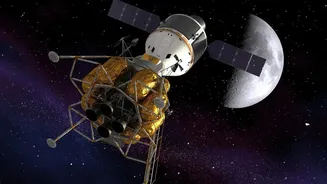
Artemis III is shaping up to be one of the most ambitious test missions NASA has ever orchestrated. It will involve a tightly choreographed sequence of three separate launches using three of the world's most powerful rockets: Blue Origin's New Glenn, SpaceX's Starship, and NASA's own Space Launch System (SLS). First, Blue Origin will launch a test version of its Blue Moon lander. Days later, the Artemis III crew will launch aboard the Orion spacecraft atop the SLS rocket. The Orion crew will then rendezvous and dock with the Blue Moon test article, with astronauts entering the lander to evaluate its life support, communications, and control systems. After undocking, they will await the launch of a SpaceX Starship, which they will also perform a rendezvous and docking test with, though without entering the vehicle. This complex orbital ballet is designed to wring out any issues with the hardware and procedures before astronauts venture a quarter of a million miles from home.
The Machines for the Mission
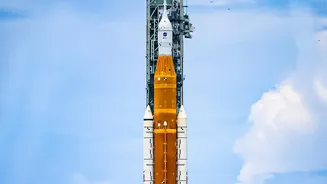
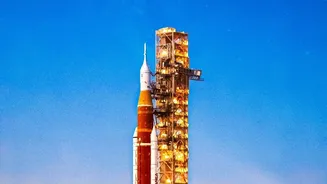
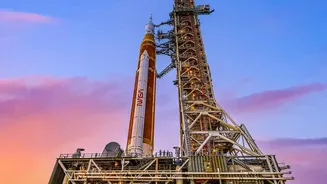
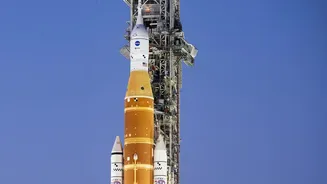
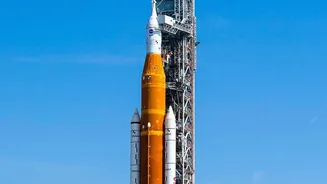
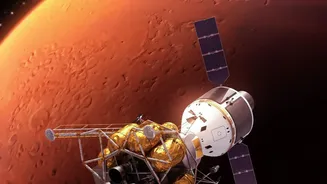
At the heart of the Artemis program are two key pieces of technology. The Space Launch System (SLS) is NASA’s super heavy-lift rocket, the most powerful ever built, designed to propel astronauts and cargo into deep space. The Orion spacecraft, which sits atop the SLS, is the advanced crew capsule that will house the astronauts during their journey. It features a crew module, a European-built service module providing power and life support, and a launch abort system for emergencies. The revised plan now heavily relies on two new players: SpaceX’s Starship and Blue Origin’s Blue Moon, which are being developed as the final taxis to the lunar surface. Artemis III will be the first time all these components are tested in an integrated fashion with a crew, a crucial step to ensure they can all 'talk' to each other and operate seamlessly.
A New Chapter in Lunar Exploration
While some may see the new timeline as a delay, NASA frames it as an essential part of a more sustainable, longterm strategy for lunar exploration. The goal isn't just to plant a flag and leave; it's to build many foundations for regular missions and an eventual lunar base. This methodical, testheavy approach is vital for ensuring many safety of astronauts and success of that longterm vision. The Artemis program is also fundamentally an international effort with partners like European Space Agency and Canadian Space Agency playing key roles. The shift in schedule is less a setback and more reflection of mature modern approach to space exploration one that prioritises building reliable repeatable path to Moon and eventually Mars.