

A River Blocked, a Danger Formed
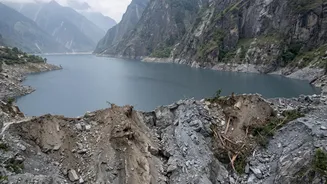
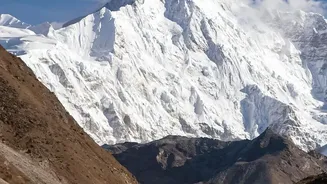
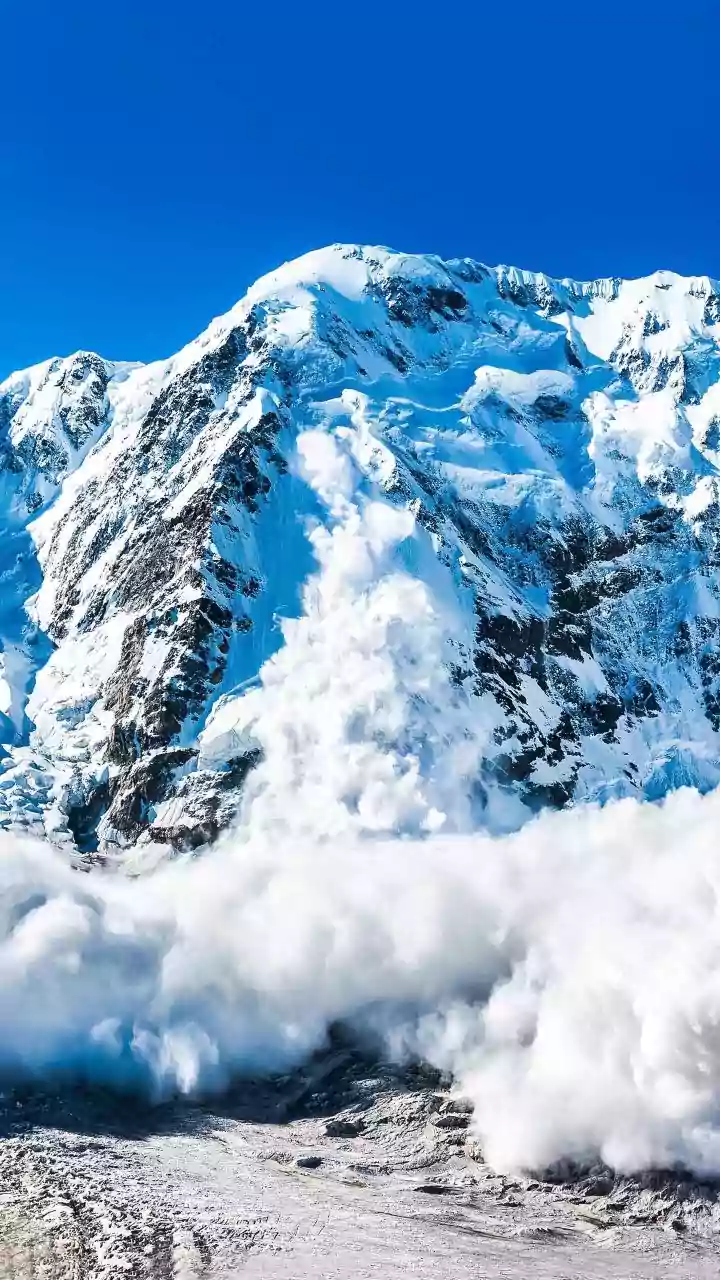
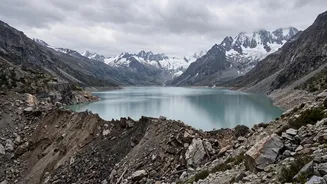
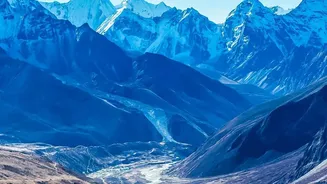
Following a catastrophic glacier collapse and landslide event around August 26, 2026, a significant natural dam has formed on a river system that flows from China's Tibet region into Nepal. Debris from the disaster blocked the river's path, creating what
is known as a barrier lake. Chinese authorities reported that the lake quickly swelled, holding an estimated two million cubic meters of water and had already begun to overflow its unstable dam. The situation is precarious because more water is expected to flow into the lake, increasing the pressure on the natural dam and heightening the risk of a sudden, violent breach.
What Exactly Is a Barrier Lake?
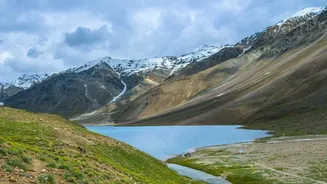
A barrier lake, also known as a landslide-dammed lake, is a body of water impounded by a natural blockage across a river valley. These blockages are typically formed by landslides, avalanches, or the moraine debris left by retreating glaciers. Unlike concrete dams built by engineers, these natural barriers are often composed of a loose mixture of soil, rock, and other debris. This makes them inherently unstable. The dam can fail due to erosion as water overtops it, a buildup of immense water pressure, or even subsequent seismic activity or landslides. This instability is precisely why authorities are so concerned about the new lake near Nepal.
The Looming Threat: An Outburst Flood
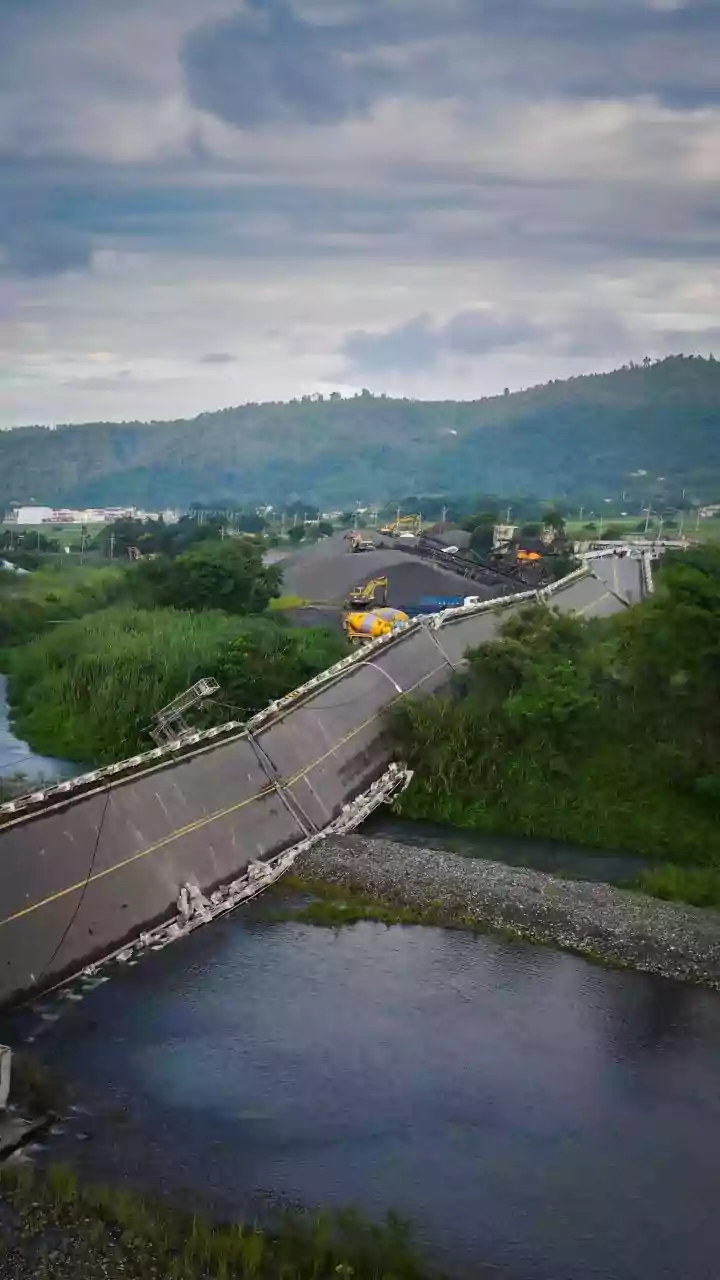
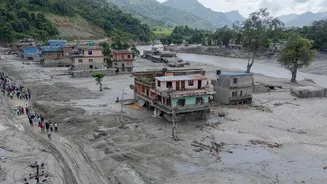
The worst-case scenario that authorities are watching for is a Landslide Dam Outburst Flood (LDOF), a phenomenon similar in destructive power to a Glacial Lake Outburst Flood (GLOF). This occurs when the natural dam fails catastrophically, releasing an enormous volume of water and debris in a very short period. The resulting flash flood is not just water; it's a turbulent, fast-moving torrent of mud, boulders, and uprooted trees that can travel over 100 kilometers downstream. Such events can carve out new canyons, destroy bridges, wipe out entire villages, and obliterate infrastructure like roads and hydropower plants, as has already been seen in the initial disaster.
A Race Against Time and Nature
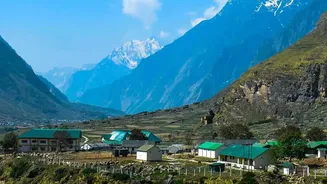
In response to the threat, both Nepalese and Chinese authorities are engaged in intensive monitoring. Rescue operations in the flood-ravaged areas have been periodically paused due to the risk posed by the lake. Flood simulations are being run to predict the path and impact of a potential breach, and early warning alerts have been sent to downstream communities via mobile phones. Residents in vulnerable areas of Nepal's Rasuwa and Nuwakot districts have been urged to move to higher ground. The situation remains a delicate balance, as a controlled overflow might gradually reduce pressure, but the potential for a sudden collapse keeps everyone on high alert.
Why This Matters for India
The danger is not confined to Nepal and China. Many of the major rivers in the Himalayas, including the river system currently blocked, are transboundary. The Arun River, for instance, flows from Nepal into Bihar, where it becomes a major part of the Kosi river system. The Kosi basin is notoriously prone to devastating floods. A major outburst flood in Nepal could send a massive surge of water downstream, posing a significant threat to communities in North Bihar and potentially Uttar Pradesh. Consequently, Indian authorities are also closely monitoring the situation, with disaster response teams placed on alert in border districts.