


The Monsoon Contamination Cocktail
The monsoon is a challenging time for public sanitation. Heavy rains can cause drains and sewers to overflow, leading to the contamination of groundwater and municipal water supplies. This contaminated water can seep into the sources used by street vendors
for everything from washing utensils to mixing into drinks. The warm, humid environment is also a perfect breeding ground for bacteria, viruses, and parasites to multiply rapidly on surfaces, in water, and on food. This combination of factors significantly raises the risk of waterborne diseases spreading through food and drinks prepared in open, less-controlled environments.
The Problem with Pre-Cut Fruits
Many juice vendors pre-cut fruits to serve customers quickly. However, these cut fruits are often left exposed to the elements for hours. The high humidity during monsoon accelerates spoilage and encourages microbial growth. Furthermore, uncovered fruit attracts flies and other insects, which are major carriers of diseases. These insects can transfer pathogens from garbage or sewage directly onto the fruit that will be crushed into your juice. Consuming juice made from such contaminated fruit can lead to serious gastrointestinal infections.
Why the Ice Is Not So Nice
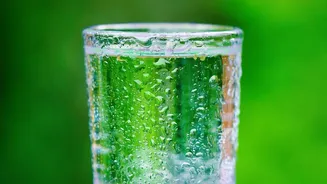
The ice used in roadside drinks is a major, often overlooked, source of illness. Much of this ice is not made from potable, filtered water. Instead, it is often industrial-grade ice, produced in unregulated factories from untreated water sources. The handling and transportation of these large ice blocks are frequently unhygienic; they might be dragged on dirty surfaces or transported in open trucks, exposed to dust and pollution. Freezing does not kill all pathogens like E. coli, Salmonella, or the viruses that cause Hepatitis A and cholera; it merely preserves them until they melt in your drink. Using bare hands or dirty scoops to break and serve the ice further adds to the contamination.
A Menu of Monsoon Illnesses
Consuming contaminated juice and ice can lead to a host of unpleasant and sometimes severe waterborne diseases. Common illnesses include gastroenteritis (stomach flu), which causes diarrhoea, vomiting, and stomach cramps. More serious bacterial infections like typhoid and cholera, which are spread through contaminated food and water, are also prevalent during this season. Viral infections such as Hepatitis A and E, which cause jaundice and liver inflammation, are also a significant risk. Symptoms can range from mild discomfort to severe dehydration requiring hospitalization.
How to Enjoy Drinks Safely
Avoiding these risks doesn't mean giving up refreshing drinks entirely. The safest option is to prepare juices at home, where you can control the cleanliness of the water and the freshness of the fruit. When outside, opt for bottled or packaged beverages from trusted brands. If you must buy from a street vendor, choose one who displays a high standard of hygiene. Look for vendors who use packaged water, wear gloves, keep their fruits covered, and maintain a clean cart away from open drains or garbage dumps. It is always safest to ask for your drink without ice unless you are certain it is made from purified water.