



The Invisible Ripening Gas
The phenomenon you're witnessing is real, and it’s all thanks to a simple, invisible plant hormone called ethylene gas. Many plants produce this gas naturally, and it acts as a chemical signal that triggers and accelerates the ripening process. Think
of it as the domino that starts a chain reaction of ripening. In what are known as climacteric fruits, the presence of ethylene kicks off a feedback loop; the fruit produces more ethylene, which in turn speeds up its own ripening even further. This gas is so effective that it's used commercially to ripen fruits like bananas and tomatoes that are picked green for transport.
Meet the Ethylene Producers
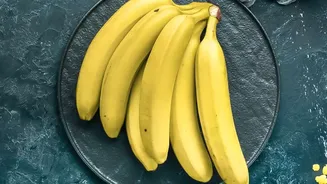
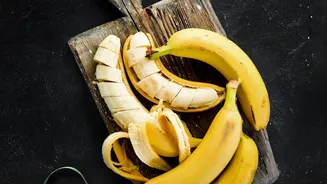
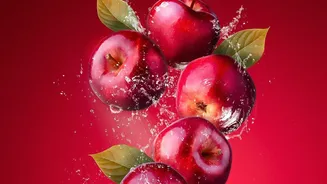
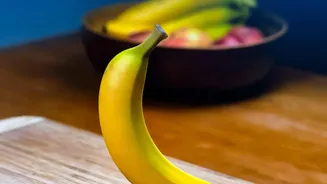
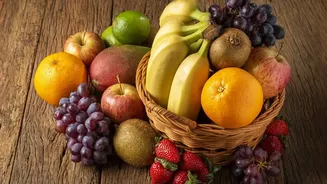
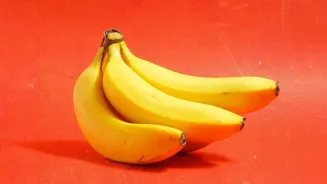
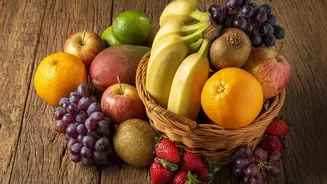
Not all fruits are created equal when it comes to ethylene. Some are prolific producers, acting like ripening agents for any sensitive produce nearby. Apples are one of the most well-known ethylene powerhouses. Bananas themselves are also significant producers, especially as they start to show brown spots. Other major players in the fruit bowl include avocados, peaches, pears, nectarines, plums, and tomatoes. Storing these high-producing fruits together can create a potent ripening environment. For instance, the old saying, "one bad apple spoils the bunch," is scientifically accurate; a single, overripe apple releasing a large amount of ethylene can quickly cause others around it to overripen and spoil.
The Science of Sweetness and Softness
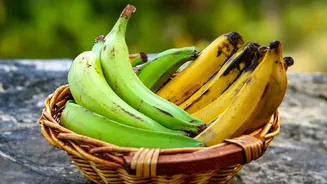
What exactly does ethylene do? It orchestrates a series of chemical changes that we perceive as ripening. First, it activates enzymes like amylase, which break down complex, flavourless starches into simple sugars like glucose and fructose, making the fruit taste sweeter. A green banana, for example, is full of starch, but as it ripens, that starch converts into sugar, giving it its characteristic sweet flavour. Simultaneously, ethylene encourages other enzymes, such as pectinase, to break down pectin—the substance that acts like a glue holding the fruit's cell walls together. This process softens the fruit's texture, transforming a hard pear into a juicy, tender treat. The gas also triggers the breakdown of green chlorophyll, revealing the vibrant yellow, orange, and red pigments underneath.
Putting Science to Work in Your Kitchen
You can harness the power of ethylene to your advantage. If you have a rock-hard avocado that you need for guacamole tonight, don't despair. Place it in a paper bag with an apple or a ripe banana. The paper bag traps the ethylene gas released by the fruits, concentrating it and dramatically speeding up the ripening process. Check on it every 12 hours or so, as this method can be very effective. This trick works wonders for a variety of fruits, including pears, peaches, mangoes, and plums. It’s a simple way to take control of your produce and ensure you have perfectly ripe fruit exactly when you want it.
The Art of Slowing Things Down
Conversely, if you want your produce to last longer, the key is to separate the ethylene producers from the ethylene-sensitive items. Store your apples, pears, and ripe bananas away from produce that you want to keep fresh, like leafy greens, broccoli, carrots, and cucumbers, as these are highly sensitive to the gas and can wilt, yellow, or develop bitter flavours. To make your bananas last, separate them from the bunch and keep them away from other ethylene-producing fruits. Storing ripe fruit in the refrigerator is also an effective way to slow down the production and effects of ethylene, giving you a few extra days to enjoy it at its peak.