






The Core Principle: A Sattvic Diet
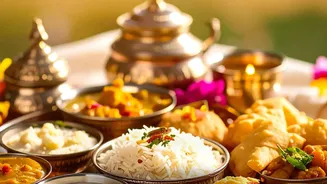
The dietary customs of Sawan, the holy Hindu month dedicated to Lord Shiva, are rooted in the principles of Ayurveda. The goal is to consume a 'Sattvic' diet, which consists of fresh, light, and pure foods that nourish the body without overburdening it.
This approach is believed to calm the mind, enhance spiritual focus, and aid digestion. According to Ayurveda, the monsoon season, which coincides with Sawan, is when our digestive fire, or 'agni', is naturally weaker. A Sattvic diet supports this weakened digestive state, preventing issues like bloating and sluggishness while promoting overall wellness. The emphasis is on foods that are easy to process, such as seasonal fruits, milk products, and certain vegetables and grains.
Why Say No to Deep-Fried Foods?
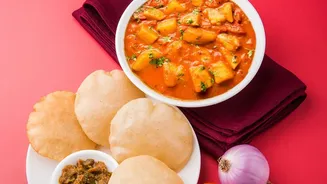
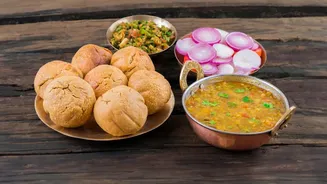
The image of enjoying hot, crispy pakoras on a rainy evening is a classic monsoon trope, but during Sawan, many consciously avoid such deep-fried delights. The Ayurvedic reasoning is straightforward: heavy, oily foods are difficult to process when the digestive fire is low. Consuming an excess of fried items like samosas, puris, or other snacks can overload the system, leading to discomfort, acidity, and lethargy. This sluggishness is considered counterproductive to the spiritual clarity and physical lightness that Sawan observances aim to cultivate. Instead of deep-frying, traditional Sawan cooking often favours methods like boiling, steaming, or lightly sautéing in ghee, which are gentler on the stomach.
The Caution Against Fermented Foods
Fermented foods like idli, dosa, dhokla, and pickles are also commonly avoided in many households during Sawan. This precaution is directly linked to the monsoon climate. The warm and humid weather creates an ideal environment for microbial activity, which can speed up fermentation and increase the risk of unwanted bacterial or mould growth. What might be a perfectly controlled fermentation process in a drier season becomes less predictable during the rains. Furthermore, some Ayurvedic schools of thought suggest that fermented foods, including curd, can increase 'Kapha' (the water element) in the body, potentially leading to congestion or colds, which are more common during the monsoon.
Other Foods on the Avoidance List
Beyond fried and fermented items, the Sawan avoidance list often includes other foods for similar practical and Ayurvedic reasons. Leafy green vegetables, while typically healthy, are often skipped because the damp monsoon conditions make them more likely to harbour insects and microbes, making them difficult to clean thoroughly. Regular table salt is swapped for sendha namak (rock salt), which is considered purer and less processed. Certain vegetables like brinjal are also traditionally avoided. The common thread is a mindful approach to eating that considers both the spiritual goals of the month and the body's seasonal needs.
What to Embrace on Your Sawan Plate
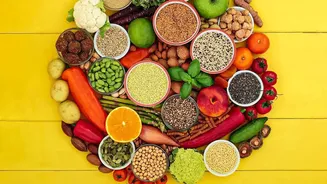
The Sawan diet is less about restriction and more about mindful selection. The focus shifts to a variety of nutritious and easy-to-digest alternatives. Vrat-friendly flours like kuttu (buckwheat), singhara (water chestnut), and rajgira (amaranth) replace regular wheat flour. Sabudana (tapioca pearls) and samak rice (barnyard millet) become staples for making dishes like khichdi and kheer. A wide array of vegetables such as potato, sweet potato, lauki (bottle gourd), and pumpkin are encouraged. Seasonal fruits, milk and its derivatives like paneer, and dry fruits like makhana (fox nuts) provide energy and essential nutrients throughout the month, ensuring that the body remains nourished and balanced.