






The Ayurvedic Perspective
According to Ayurveda, the monsoon season, or 'Varsha Ritu', is a time when the body's digestive fire, known as 'agni', is naturally weaker. The damp and humid environment is believed to aggravate the 'Vata' dosha, which governs movement in the body and can
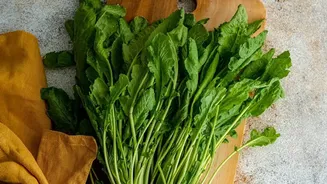
lead to digestive issues like bloating and gas. From this perspective, it's recommended to consume foods that are light and easy to digest. Leafy greens, while nutritious, can be hard on a weakened digestive system and are thought to increase Vata. Therefore, traditional wisdom suggests avoiding them in favour of warm, cooked meals like soups and stews to keep the digestive system balanced.
A Scientific and Practical Viewpoint
Beyond ancient wisdom, there are compelling scientific reasons for this dietary shift. The high humidity and dampness of the monsoon create a perfect breeding ground for bacteria, fungi, and all sorts of microbes. Leafy green vegetables, which grow close to the ground, are particularly susceptible to contamination. Their leaves can easily trap soil, germs, and tiny insects or their larvae, which may not be completely removed even with thorough washing. Consuming contaminated greens can lead to foodborne illnesses and stomach infections, a risk that is naturally higher when the surrounding environment is teeming with microbial life. This practice, therefore, acts as a practical, age-old food safety guideline.
The Role of Religious and Cultural Beliefs
The month of Sawan is considered sacred, with many devotees observing fasts and adhering to a 'sattvic' diet to promote purity and mental clarity. A sattvic diet typically consists of light, fresh, and wholesome foods. While leafy greens are healthy, the increased risk of contamination and pests during the monsoon makes them less 'pure' in a traditional context. Some cultural beliefs also suggest that since the monsoon is a time of flourishing greenery and active plant life, one should refrain from disturbing it. Furthermore, certain vegetables like brinjal are also avoided during Sawan, often because they are particularly prone to internal insect infestations during this season.
What to Eat Instead: Monsoon-Friendly Alternatives
If you're following this tradition, there's no shortage of other healthy vegetables to enjoy. The monsoon diet traditionally favours gourds like bottle gourd (lauki), ridge gourd (tori), and bitter gourd (karela), as well as pumpkin, potatoes, and sweet potatoes. These vegetables are generally considered safer and easier to digest during this season. Lightly spiced, freshly cooked meals are emphasised. Moong dal is a preferred lentil, often prepared as a simple dal or khichdi. Spices like ginger, turmeric, and black pepper are widely used, not just for flavour but also for their perceived ability to aid digestion and boost immunity. It's also recommended to consume warm foods and drinks, like herbal teas and soups, to support the digestive system.
Modern Context: To Eat or Not to Eat?
In today's world of modern agriculture, including hydroponics and improved sanitation, the risk of contamination in commercially sold vegetables is lower than in the past. If you choose to eat leafy greens during Sawan, it's crucial to be extra cautious. Wash them meticulously in clean water, perhaps with a bit of salt or vinegar, and cook them thoroughly rather than eating them raw in salads. However, for many families, abstaining from leafy greens is a practice that honours generations of accumulated wisdom. It serves as a mindful approach to eating seasonally, respecting both cultural traditions and the body's changing needs during the monsoon.