






The Capital’s Ambitious EV Roadmap
The Delhi government has unveiled its EV Policy 2.0, an ambitious and aggressive plan to clean the city's notoriously polluted air by accelerating the shift away from internal combustion engine (ICE) vehicles. Effective from July 1, 2026, the policy is
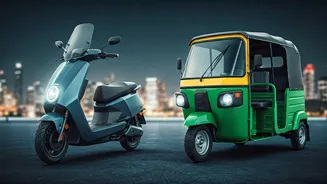
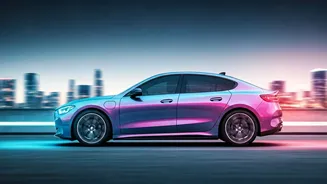
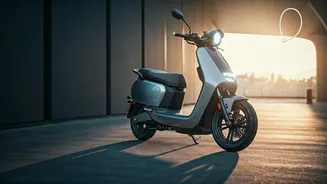
backed by a massive budget and introduces a combination of financial incentives and firm deadlines. Key measures include purchase subsidies of up to ₹30,000 for electric two-wheelers and ₹50,000 for electric auto-rickshaws. Furthermore, there is a complete waiver on road tax and registration fees for many new electric cars. The policy doesn’t just persuade; it mandates. The registration of new petrol and CNG-powered auto-rickshaws will stop from January 2027, and most significantly, no new petrol or CNG two-wheelers can be registered from April 1, 2028.
The EV Dream Meets Practical Hurdles
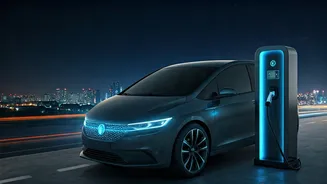
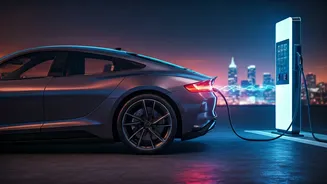
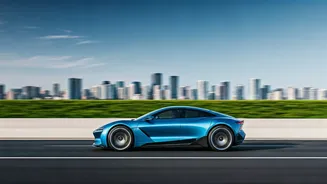
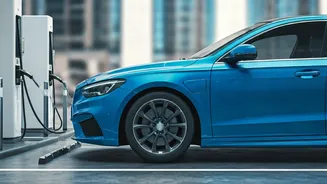
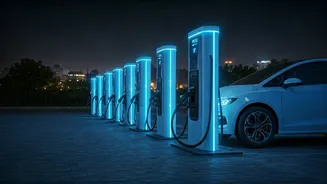
The government's goal is clear: get more EVs on the road, fast. Registrations for electric two-wheelers and private e-cars have already seen record growth in 2026. Yet for the average buyer, the decision isn't straightforward. Despite subsidies, the upfront cost of electric cars remains higher than their petrol counterparts. Then there's the infamous 'range anxiety'—the fear of running out of charge with no charging station in sight. While the government plans to install over 30,000 public charging points, this infrastructure is still a work in progress. For the millions living in rented accommodation or high-rise apartments, the lack of private charging spots is a major deterrent, making the all-electric leap feel like a risk.
The Sensible Middle Ground: Hybrids and CNG
This is where the plot thickens. Faced with the pressure to move away from petrol but hesitant about going fully electric, many consumers are finding a comfortable middle ground in other alternatives: Compressed Natural Gas (CNG) and hybrid vehicles. These options offer a pragmatic compromise. They provide significantly lower running costs compared to petrol and are better for the environment, but without the baggage of range anxiety and charging dependency. While the new EV policy explicitly excludes subsidies for hybrid vehicles to encourage a direct jump to pure EVs, the market seems to be telling a different story. The sheer focus on discrediting petrol is inadvertently making these tried-and-tested alternatives more appealing.
CNG: An Old Favourite Makes a Comeback
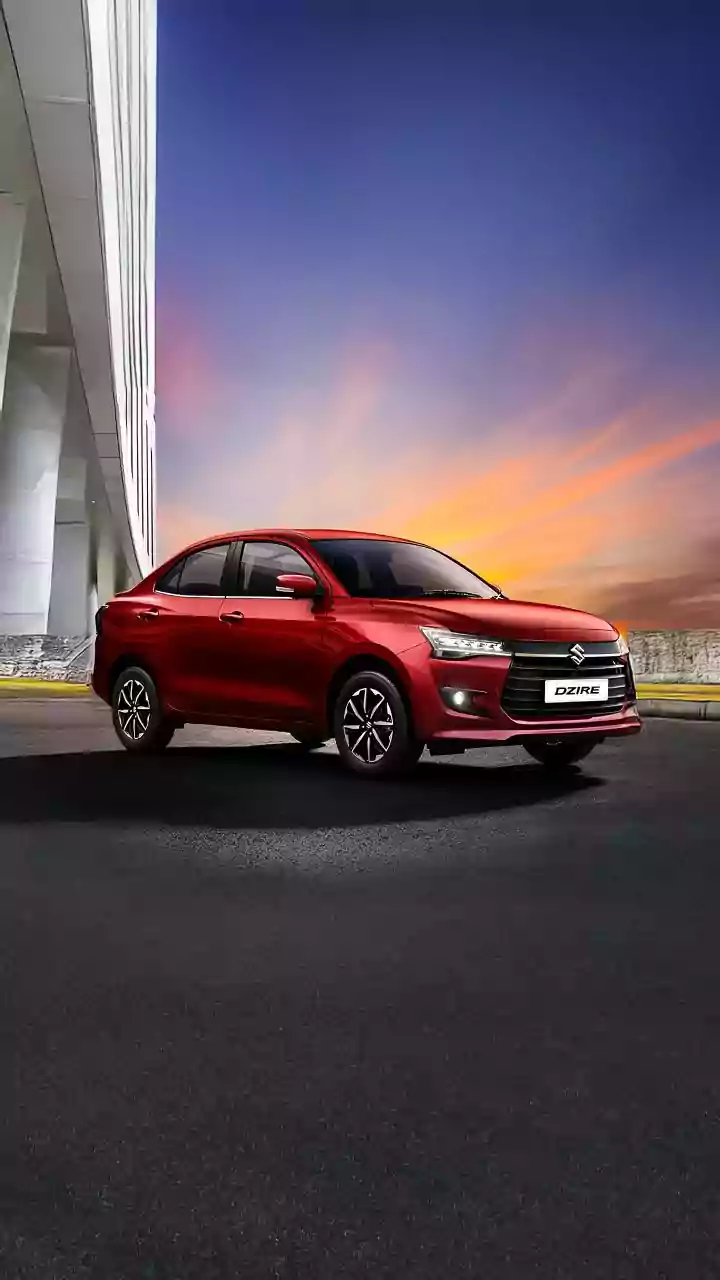
CNG is far from a new technology for Delhiites. For years, it has been the go-to choice for the cost-conscious driver, thanks to its lower price and wide availability. The infrastructure for CNG is mature and extensive across the National Capital Region, a stark contrast to the still-developing EV charging network. For a buyer looking to save on running costs, a factory-fitted CNG car offers a familiar, reliable, and lower-risk investment than a pure EV. Nationally, alternative fuels like CNG and hybrids already account for nearly 30% of new car sales, proving their established popularity. As the deadlines for phasing out petrol two-wheelers and commercial vehicles approach, the renewed focus on non-petrol options naturally shines a brighter light on this old favourite.
Hybrids: A Taste of Electric Without the Commitment
Hybrid vehicles represent another compelling alternative. They combine a traditional petrol engine with an electric motor and a small battery that recharges on the go. This allows them to run on pure electric power for short city distances, drastically improving fuel efficiency without ever needing to be plugged in. For many buyers, this is the perfect solution—it offers the environmental and cost-saving benefits of an electric motor for the daily commute, with the petrol engine providing a safety net for longer trips. Even without government subsidies, the inherent practicality of hybrid technology is making it an increasingly attractive option for those who want to be more green but aren't ready for the full EV lifestyle.
An Unintended Consequence or a Necessary Step?
Delhi's policy has one clear enemy: pollution from traditional fossil fuels. While the ultimate goal is a fully electric fleet, the immediate effect is a mass psychological shift away from petrol and diesel. In this transition, consumers are pragmatically weighing all their options. The surge of interest in CNG and hybrids may not be the government's primary intended outcome, but it is a powerful secondary effect. This trend shows that while policy can point the way, consumer behaviour is driven by a mix of incentives, practicality, and risk assessment. The road to an all-electric Delhi might just have a few important, and popular, stops along the way.