






The Grand Vision for Kukrail
The Uttar Pradesh government is embarking on a multi-faceted project to reimagine the Kukrail Reserve Forest. The plan, which recently received a crucial go-ahead from the Supreme Court, involves establishing India's first night safari, relocating the city's
zoo, and developing the Kukrail riverfront. Spread over approximately 855 acres, the Rs 1,510-crore initiative aims to position Lucknow as a premier eco-tourism destination, complementing its existing cultural and heritage attractions. The project is divided into two main phases: the first focusing on the night safari and eco-tourism zone, and the second on establishing a modern day zoo. Officials believe this integrated approach will not only attract tourists but also generate employment and reinforce the value of urban green spaces.
A Tourism Push Inspired by Singapore
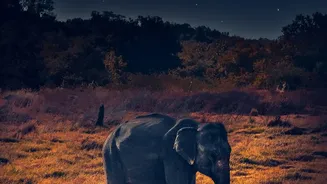
The centerpiece of the project is a night safari inspired by Singapore's acclaimed attraction. Unlike traditional zoos, this facility will allow visitors to observe nocturnal animals in specially designed environments that mimic their natural habitats after dark. Guests will travel on electric trams along a curated trail, viewing species like Asiatic lions, leopards, and hyenas under simulated moonlight designed to be unobtrusive. The experience aims to be educational and immersive, showcasing the behavior of animals that are typically inactive during the day. Beyond the safari, the master plan includes a modern day zoo with dozens of enclosures, visitor interpretation centers, nature trails, and even a 7D theatre, all designed to create a comprehensive wildlife destination.
The Conservation Question
With such large-scale development, the primary concern is the ecological impact. Kukrail is not just a patch of trees; it's a notified reserve forest and home to the internationally recognized Kukrail Gharial Rehabilitation Centre, which has been instrumental in conserving the critically endangered species since the 1970s. Authorities have stated that conservation remains a core objective. The government has assured that the gharial center will continue its operations alongside the new infrastructure. As part of the project, invasive plant species are slated to be replaced with native ones to aid ecological restoration. The Supreme Court's approval came with stringent conditions, mandating compliance with safeguards laid out by environmental bodies and periodic site inspections to ensure adherence. The court also disallowed certain elements, such as a proposed Adventure Zone, to minimize non-forestry activities on the land.
The Human Cost and Ecological Concerns
The project has not been without significant controversy, particularly concerning the revival of the Kukrail river, which has been choked by decades of encroachment. To clear the river's floodplain for a beautification project modeled on Ahmedabad's Sabarmati Riverfront, authorities undertook large-scale demolition drives in areas like Akbar Nagar. These actions led to the displacement of thousands of residents from a settlement that had existed for over 50 years, sparking legal battles and protests. While authorities stated the constructions were illegal and provided alternative housing for many, critics argued that due process was not fully followed. Environmentalists also remain wary, expressing concerns about tree felling, habitat fragmentation, and the potential disturbance from light and noise pollution, which could disrupt the delicate balance of the forest's ecosystem.