


The Rise of the Culinary Tourist
In recent years, travel has become less about just seeing sights and more about experiencing a destination's soul. For a growing number of tourists, both domestic and international, the most authentic way to connect with a city's culture is through its
food. Street food, with its deep-rooted history and unpretentious charm, offers a direct taste of local life. This isn't just about satisfying hunger; it's a full-sensory experience that is increasingly influencing travel decisions. Studies show a significant rise in tourists whose travel plans are shaped by culinary experiences, with street food tours and heritage food walks becoming key attractions. Digital platforms and social media have amplified this trend, turning humble local vendors into viral sensations and must-visit destinations for foodies exploring urban India.
Delhi: A Feast with Mughal Echoes
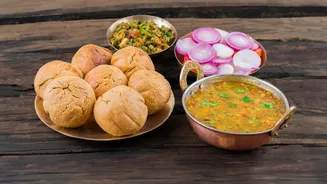
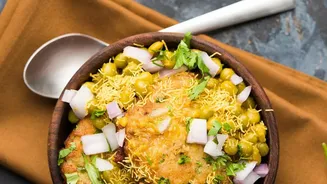
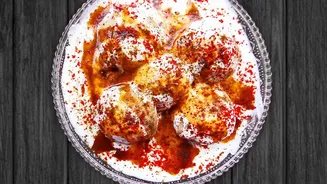
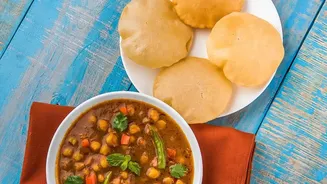
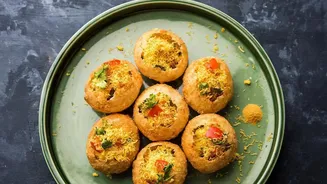
Delhi is often hailed as India's food capital, and for good reason. Its street food scene is a rich tapestry woven with centuries of history, particularly the influence of the Mughal era. The labyrinthine lanes of Old Delhi, especially around Chandni Chowk and Jama Masjid, are living museums of flavour. Here, vendors serve dishes like chole bhature, spicy aloo tikki chaat, and succulent kebabs using recipes passed down through generations. These aren't just snacks; they are historical artifacts on a plate. For today's culinary tourist, a walk through these bazaars is an essential itinerary item, offering a taste of history that high-end restaurants cannot replicate. The experience is as much about the chaotic, vibrant atmosphere as it is about the food itself.
Mumbai: The Fast-Paced Flavour Factory
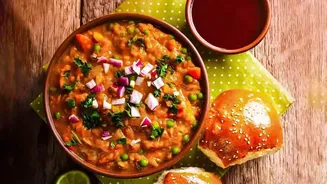
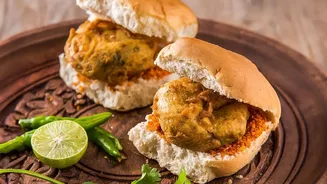
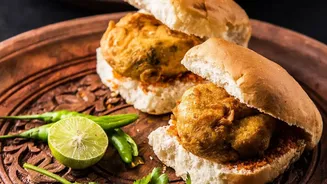
Mumbai's street food mirrors the city's energetic, on-the-go spirit. From the iconic vada pav—often called India's burger—to the buttery delight of pav bhaji served at beachfront stalls like Juhu Chowpatty, the city offers a unique blend of convenience and taste. These dishes were born out of the need to provide quick, affordable, and filling meals to the city's millions of workers, but have since become culinary icons. For travellers, partaking in this ritual is to experience Mumbai like a local. Recently, Time Out's 2026 list of the world's best street food cities ranked Mumbai 10th globally, highlighting its diverse flavours and cultural significance. The experience of eating bhel puri while watching the sunset over the Arabian Sea or grabbing a kebab on Mohammad Ali Road is a core part of Mumbai's tourism appeal.
Kolkata: A Symphony of Sweet and Savory
Kolkata's street food culture is deeply intertwined with its intellectual and artistic identity. The city offers a slower, more contemplative culinary experience. It is famous for its puchkas (a regional variation of pani puri), kathi rolls, and an incredible array of sweets like rasgullas and sandesh. The kathi roll, born in a famous city eatery, has even gained global recognition. Stalls clustered around College Street and Park Street have nourished generations of students and thinkers, becoming part of the city's social fabric. Tourists are drawn to this unique atmosphere, where a simple snack feels like a nostalgic journey. The food here isn't just sustenance; it's a conversation starter and a reason to pause and soak in the city's old-world charm.
Lucknow: The Royal Palate on the Street
Lucknow's street food offers a taste of its royal Nawabi heritage. The city is legendary for its sophisticated meat preparations, which have trickled down from royal kitchens to bustling street stalls. Melt-in-your-mouth galouti kebabs, aromatic biryani, and unique breads are not just dishes but a legacy. Tunday Kababi, for instance, is more than just a food joint; it's a landmark that attracts visitors from all over the country. Culinary experts often recommend Lucknow as a top destination for an authentic street food adventure, rooted in a rich and specific history. This focus on heritage makes it a prime destination for tourists seeking a culinary experience that is both delicious and steeped in a grand, historical narrative.