


A Jolt Over India
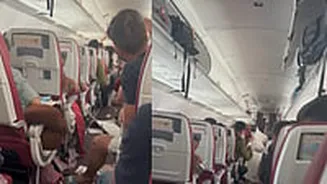
On August 4, 2026, passengers on Air India flight AI2379 were cruising from Phuket to Delhi when the aircraft suddenly plunged about 300 feet. The violent jolt, caused by severe turbulence, resulted in injuries to 17 people on board, including passengers and
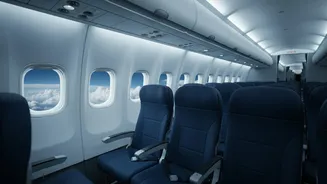
crew. Images from after the event showed a chaotic cabin with damaged interior panels. While the aircraft landed safely and the injured received medical attention, the incident serves as a powerful case study in the realities of modern air travel. It underscores a crucial point: severe turbulence can occur without warning, and the consequences for those not secured can be serious. This event follows other high-profile turbulence incidents, including a Singapore Airlines flight in May 2024 where a passenger died and dozens were injured, prompting a global discussion on in-flight safety protocols.
The Rise of Invisible Turbulence
For many, turbulence is associated with flying through a storm cloud. But the more concerning phenomenon is Clear-Air Turbulence (CAT). As its name suggests, CAT is invisible to the naked eye and cannot be detected by conventional weather radar, meaning it can strike suddenly in a clear blue sky. Scientists have found that climate change is making these events more common and more severe. Studies show that warming temperatures are increasing wind shear—the difference in wind speed and direction over a short distance—in the jet streams where commercial aircraft cruise. One analysis found that severe clear-air turbulence increased by 55% over the busy North Atlantic route between 1979 and 2020. This means the skies are, quite literally, getting bumpier in ways that are much harder for pilots to predict and avoid.
What Has Actually Changed?
The fundamental advice from aviation authorities and experts has not changed, but the urgency behind it has intensified. The increasing frequency of unpredictable turbulence means the 'just in case' mindset is more critical than ever. In response to the 2024 incident, Singapore Airlines changed its policy to suspend meal service when the seatbelt sign is on. Air India also has policies to stop serving hot beverages during turbulence. These operational tweaks highlight a shift in risk assessment by airlines. For passengers, the change is not in the rules, but in the environment. The odds of encountering unexpected, severe turbulence are higher than they were decades ago, making personal vigilance the most important safety tool. The core instruction from India's Directorate General of Civil Aviation (DGCA) and other global bodies remains the same: you are required to wear your seatbelt when the sign is on.
The Unwavering Expert Advice
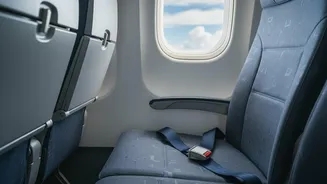
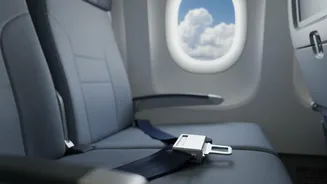
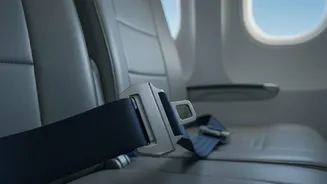
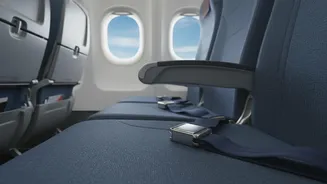
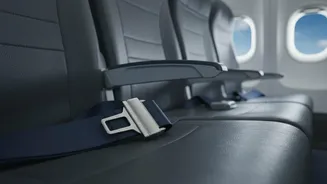
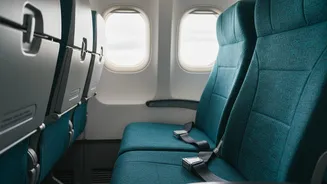
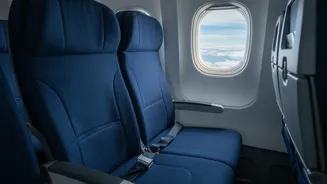
Pilots and cabin crew are unanimous in their guidance: the single most effective way to prevent injury from turbulence is to keep your seatbelt fastened whenever you are seated, even if the sign is off. In cases of severe turbulence, occupants can be thrown violently against the cabin ceiling or fixtures, causing serious injury. A seatbelt is the only thing that prevents this. Flight attendants are often the most frequently injured during turbulence events because their duties require them to be mobile. Their advice to passengers is born from professional experience and a deep understanding of the risks. Pilots are trained to handle turbulence by adjusting speed and altitude to find smoother air, and modern aircraft are built to withstand forces far greater than any turbulence can exert. But they cannot defy physics; an unbuckled person inside a bucking fuselage is a projectile.