




More than fifty years after the last Apollo mission, humanity is not just planning to go back to the Moon, but to stay. Through the Artemis program, NASA is laying the groundwork for a sustained human presence, with a base camp eyed for the Moon's South
Pole.
The Artemis Program: A New Era
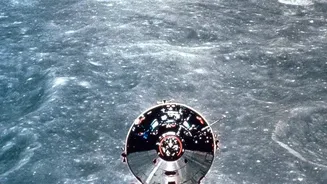
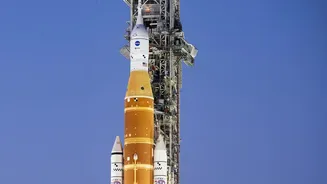
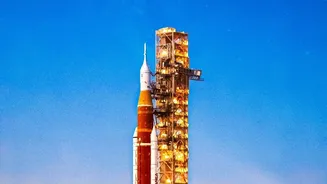
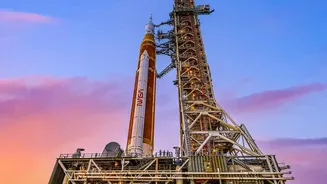
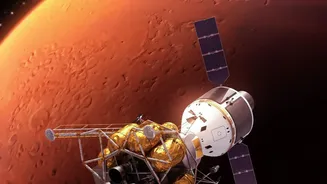
The Artemis program represents a monumental shift in space exploration strategy. Unlike the 'flags and footprints' approach of the Apollo missions, which were short-duration visits, Artemis aims to create a long-term, sustainable outpost on the Moon. This ambitious undertaking is not just about lunar science; it's a critical proving ground for the technologies and strategies needed for humanity's next giant leap: a crewed mission to Mars. The program involves a series of increasingly complex missions. After the uncrewed Artemis I test flight in 2022 and the crewed Artemis II lunar flyby in 2026, the focus is now on returning astronauts to the surface. The updated plan includes Artemis III in 2027, which will test crucial docking systems in Earth orbit, followed by the Artemis IV mission in 2028, which is slated to be the first crewed lunar landing in over 50 years.
Why the Lunar South Pole?
The choice of the lunar South Pole is highly strategic. This region is a world away from the equatorial sites visited by the Apollo astronauts. Its primary allure lies in what is hidden in the deep, permanently shadowed craters: water ice. For billions of years, these craters have acted as cold traps, accumulating ice that could be a game-changer for lunar settlement. This water can be harvested and processed into breathable air (oxygen) and drinkable water for astronauts. Even more significantly, it can be split into hydrogen and oxygen, the primary components of rocket propellant. This potential to 'live off the land' by creating fuel on-site could dramatically reduce the cost and complexity of deep space missions. Additionally, the region features 'peaks of eternal light'—areas on crater rims that receive near-continuous sunlight, ideal for generating solar power for a permanent base.
Building the 'Artemis Base Camp'
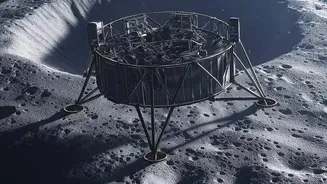
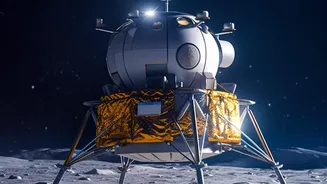
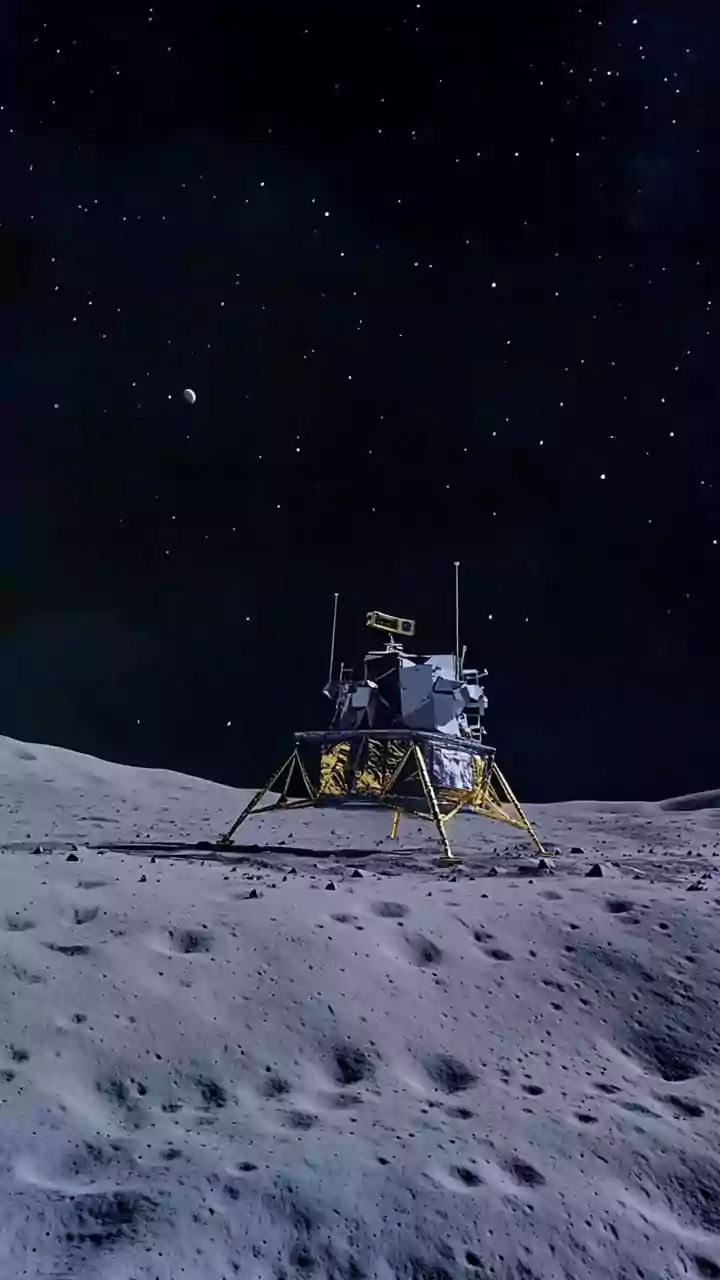
The vision for the lunar outpost, known as the Artemis Base Camp, is a sprawling, multi-faceted facility. NASA envisions a base covering a large area, built out in phases over the next decade. The initial infrastructure will include a surface habitat, an unpressurized rover for short trips, and eventually a pressurized 'habitable mobility platform'—essentially a campervan for the Moon—allowing astronauts to conduct multi-day science expeditions far from the base. These elements will be delivered by a series of robotic and commercial missions in the years leading up to and following the first human landing. The goal is to build up the necessary power, communications, and transportation systems to support crews for increasingly long-duration stays, eventually enabling a semi-permanent human presence on the Moon.
A Global, Collaborative Effort
Artemis is not just a NASA mission; it is a global endeavour. The Artemis Accords establish a set of principles for peaceful and cooperative space exploration, grounded in the Outer Space Treaty of 1967. As of late 2026, dozens of countries from around the world have signed these accords, including India. This international partnership is crucial for the program's success, bringing together the resources, expertise, and technologies of space agencies worldwide. For example, the European Space Agency (ESA) is a key partner, contributing hardware and an astronaut to the Artemis III mission. This collaborative framework ensures that the return to the Moon is a shared human enterprise, fostering peaceful relationships and pooling global talent to tackle the immense challenges of deep space exploration.