

More Than Just a Byproduct
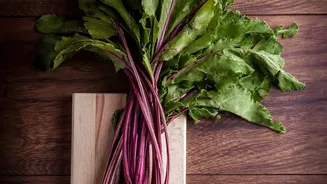
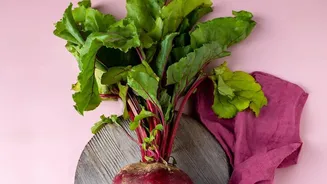
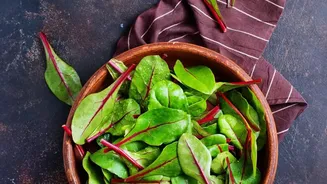
For generations, the humble beetroot has been a staple in Indian kitchens, loved for its vibrant colour and earthy sweetness. But what about the lush, green leaves attached to them? More often than not, they are trimmed and tossed aside. However, these
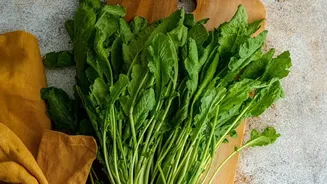
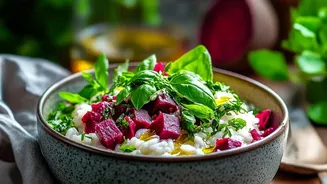
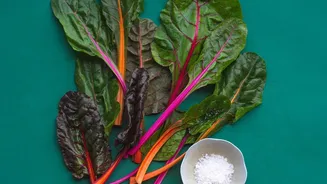
beet greens are not just edible; they are a delicious and versatile vegetable in their own right. With a flavour profile somewhere between spinach and Swiss chard, they possess a mild sweetness and a tender texture when cooked. Historically, the greens were valued for their healing properties, and it's time modern Indian kitchens rediscovered this forgotten treasure, embracing a root-to-leaf approach to cooking.
A Nutritional Powerhouse
Don't let their delicate appearance fool you; beet greens are densely packed with nutrients. They are an exceptional source of vitamins and minerals that support overall health. They contain significant amounts of Vitamin K, crucial for bone health, and Vitamin A, which is essential for good vision and a strong immune system. Furthermore, beet greens offer a healthy dose of Vitamin C, a powerful antioxidant. They are also rich in minerals like iron, potassium, calcium, and magnesium. In fact, beet greens have a higher iron content than spinach and are loaded with dietary fibre, which aids digestion. Being low in calories and fat makes them an excellent addition to any health-conscious diet.
From Market to Your Kitchen
Selecting and storing beet greens properly is key to enjoying them at their best. When buying beets, look for bunches with vibrant, crisp, and unwilted greens attached—this is often a sign of the root's freshness as well. The first step once you get them home is to separate the greens from the beetroot. Cut the leaves about an inch or two from the root, as the leaves can draw moisture from the beet, causing it to soften. Wash the greens thoroughly under cold water to remove any dirt. For storage, you can wrap the unwashed greens in a plastic bag and keep them in the refrigerator, where they will stay fresh for about two to four days. Washing them just before use will help maintain their freshness.
Simple Ways to Cook Beet Greens
Integrating beet greens into Indian meals is surprisingly simple, as their taste and texture are compatible with many familiar dishes. The tender stems are also edible and can be chopped and cooked along with the leaves.
One of the easiest methods is to make a simple sabzi or stir-fry (poriyal). Sautéing them with garlic, onions, green chillies, and a few basic spices like turmeric and cumin creates a delicious and quick side dish that pairs perfectly with roti or rice.
Another popular way to use them is by adding them to dal. Chopped beet greens can be cooked along with moong or masoor dal, infusing the lentils with their subtle flavour and boosting the dish's nutritional value. A final tadka of mustard seeds, cumin, and garlic elevates the simple dal into something special.
You can also finely chop the greens and mix them into the dough for parathas or theplas, similar to how you would use fenugreek (methi) or spinach (palak) leaves. This is a fantastic way to add extra nutrients to your family's breakfast or tiffin.
Quick Beet Greens Sabzi
Here is a simple recipe to get you started. Heat a tablespoon of oil in a pan and add a teaspoon of cumin seeds. Once they splutter, add one chopped onion and a few cloves of minced garlic, sautéing until fragrant. Add one or two chopped green chillies for a bit of heat. Now, add a large bunch of washed and chopped beet greens (including tender stems) to the pan. Sprinkle with a half-teaspoon of turmeric powder and salt to taste. Stir well and cook for about 5-8 minutes until the greens have wilted and are tender. Finish with a squeeze of lemon juice to brighten the flavours. Your nutritious beet greens sabzi is ready to be served hot with fresh rotis.