



Meet The Contenders
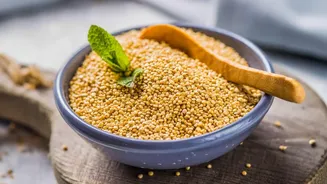
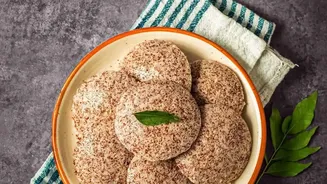
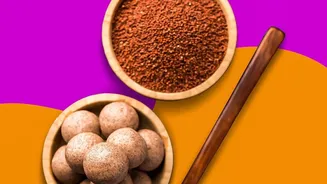
Ragi, also known as finger millet, is an ancient grain that has been a staple in parts of India, especially the south, for thousands of years. This hardy crop is revered for its ability to thrive in harsh conditions and its dense nutritional profile.
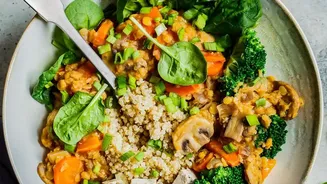
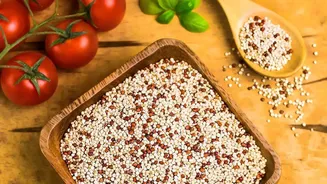
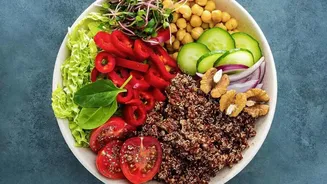
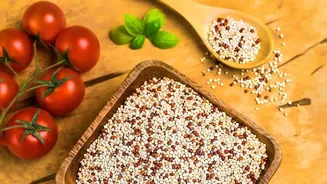
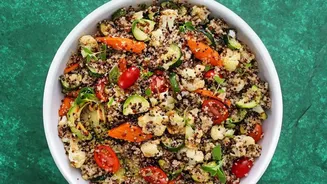
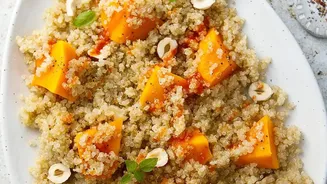
It has a distinctive reddish-brown colour and a mild, somewhat nutty taste, forming the base for everything from rotis and dosas to porridge and ladoos. On the other side, we have Quinoa, a seed from South America that is consumed like a grain. Dubbed 'the mother of all grains' by the Incas, it has gained worldwide fame as a superfood, largely due to its impressive protein content. With a fluffy texture and an earthy flavour, it's often used as a substitute for rice.
The Nutritional Showdown
When comparing 100 grams of the uncooked grains, both Ragi and Quinoa present strong nutritional arguments. Quinoa takes a clear lead in protein, offering about 14 grams, and is considered a 'complete protein' because it contains all nine essential amino acids. Ragi contains a respectable 7 to 10 grams of protein. However, Ragi is the undisputed champion of calcium. It boasts around 344mg of calcium, which is nearly twenty times more than Quinoa. This makes Ragi exceptional for bone health. For fibre, another crucial nutrient, Ragi again has a slight edge, which aids in digestion and promotes satiety. Both grains are good sources of iron, with some data suggesting Ragi has more, which is important for preventing anaemia. Their calorie counts are very similar, making them both excellent choices for sustained energy.
Benefits For Health And Wellness
Both grains are powerhouses when it comes to health benefits. Their high fibre content is excellent for digestive health, helping to prevent constipation and support a healthy gut. For those managing diabetes, both Ragi and Quinoa are excellent choices. They have a low to medium glycemic index (GI), meaning they release sugar into the bloodstream slowly and prevent sudden spikes. Quinoa's GI is around 53, while Ragi's is in a similar range, around 54. Ragi's incredible calcium content makes it superior for strengthening bones and preventing osteoporosis, a condition of particular concern for women. Quinoa's complete protein profile is highly beneficial for muscle repair and building, making it a favourite among fitness enthusiasts. Both grains are also packed with antioxidants that help fight inflammation.
The Gluten Question and Culinary Uses
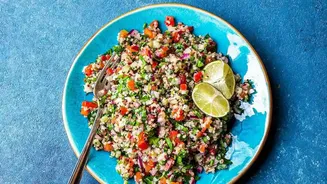
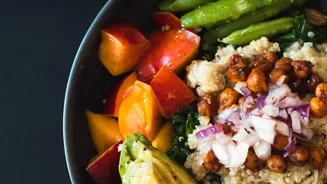
For individuals with celiac disease or gluten sensitivity, there's good news on both fronts. Ragi and Quinoa are naturally gluten-free, making them safe and healthy alternatives to wheat. In the Indian kitchen, Ragi feels right at home. It has been used for centuries in dishes like Ragi Mudde, dosas, and healthy porridges. Its flour can be easily incorporated into everyday rotis. Quinoa is also versatile and can be used to make upma, pulao, or salads, though its texture might be unfamiliar to some. Creative cooks are even combining the two to make dishes like Ragi-Quinoa dosas, getting the best of both worlds.
The Deciding Factor: Cost
For many Indian households, the final decision often comes down to price. Here, the difference is significant. Ragi is a locally grown crop, making it widely available and highly affordable. You can typically buy Ragi flour or grain for a fraction of the cost of Quinoa. Quinoa, on the other hand, is mostly imported from South America. This adds costs like shipping, import duties, and retailer markups, making it a premium product. For a family that consumes grains daily, switching to millets like Ragi can lead to substantial monthly savings compared to a diet reliant on Quinoa.