
A Monsoon Health Hero
Don't let its humble appearance fool you; the water chestnut is packed with benefits. It is low in calories but rich in fibre, which aids digestion and helps you feel full longer. It's also an excellent source of potassium, which is vital for maintaining
healthy blood pressure and heart function. Furthermore, singhara is loaded with antioxidants that help the body fight off oxidative stress and boost immunity. Since it's composed of nearly 74% water, it’s a fantastic food for staying hydrated and cool, making it a truly smart addition to your monsoon diet.
Enjoying it Raw: The Purest Crunch
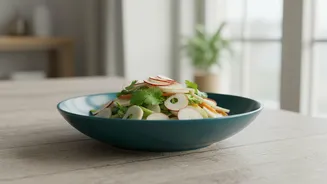
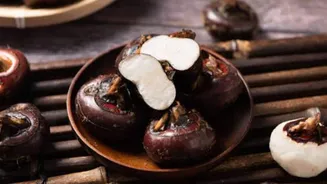
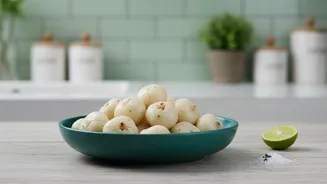
The simplest way to enjoy water chestnuts is to eat them raw. This method preserves their signature crispness and subtly sweet flavour. To prepare them, first give them a good scrub under running water to remove any mud. Then, use a small, sharp knife to slice off the top and bottom, and carefully peel away the tough, dark brown skin. The bright white flesh inside is ready to eat. You can enjoy them as a standalone snack, much like a fruit. For a little extra zing, sprinkle them with a pinch of rock salt and a squeeze of lemon juice. They also make a fantastic, crunchy addition to salads, adding texture without overpowering other ingredients.
Simple Cooked Preparations for Rainy Days
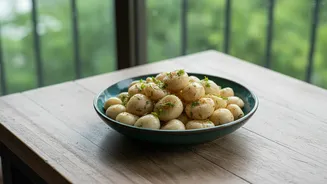
When you crave something warm, cooking water chestnuts is just as easy. Boiling is a common method. Simply wash the chestnuts, boil them for about 10-15 minutes until tender, and then peel and eat. Boiled singhara has a slightly softer, chewier texture but still retains a pleasant bite. For a quick and flavourful snack, you can sauté peeled and chopped water chestnuts. Heat a little ghee or oil in a pan, add the chestnuts, and toss with your favourite simple seasonings like salt, pepper, and a pinch of chilli powder for a comforting and savoury treat on a cool, rainy evening.
Beyond Snacking: Easy Meal Add-ins
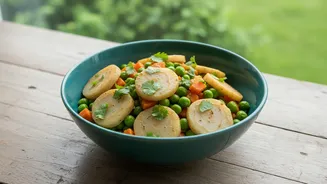
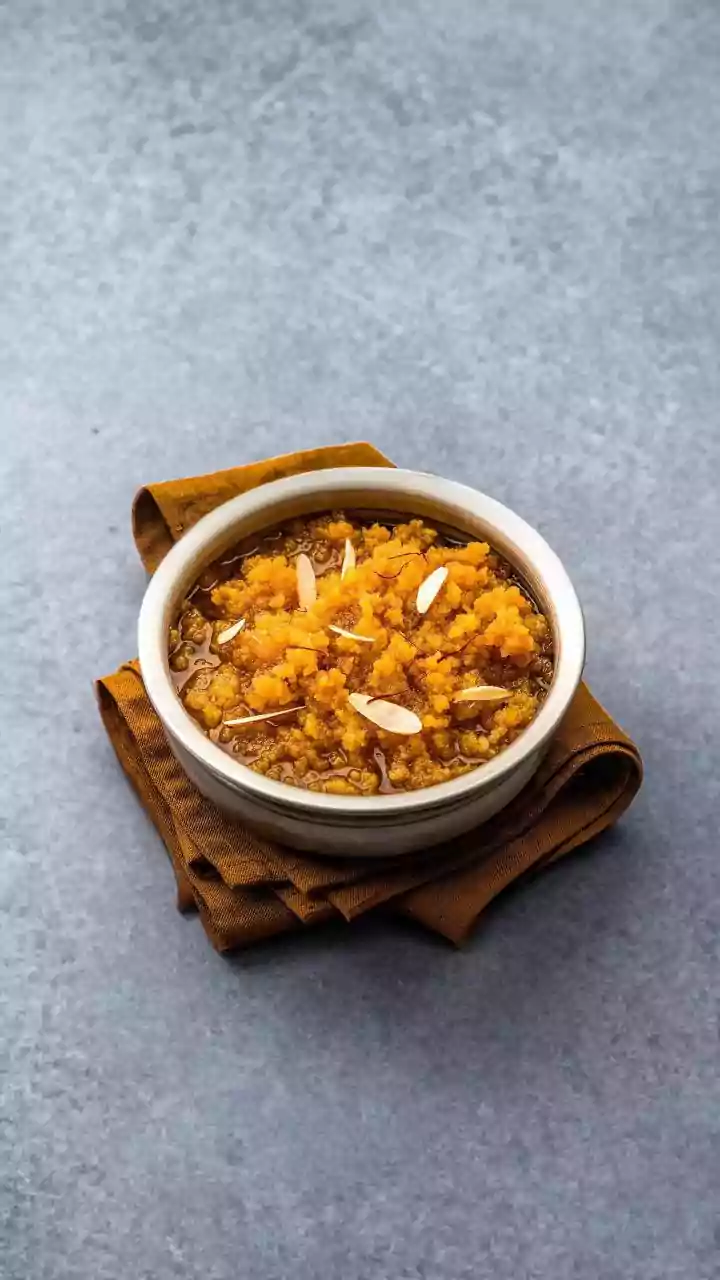
Incorporating water chestnuts into your regular meals is straightforward. Their ability to absorb flavours while staying crisp makes them incredibly versatile. Slice them up and add them to a vegetable stir-fry during the last few minutes of cooking for an extra layer of crunch. You can also chop them and mix them into the filling for parathas or cutlets. Another popular use is singhara atta, or water chestnut flour. This gluten-free flour is made from dried, ground water chestnuts and is commonly used during fasting periods to make rotis, puris, or even a simple, nourishing halwa.
How to Buy and Store for Freshness
When selecting fresh water chestnuts, look for ones that are firm, heavy for their size, and free of wrinkles or soft spots. Don't be deterred by a muddy or blackened exterior; that's natural. To store them, keep unpeeled chestnuts in a paper bag in the refrigerator, where they will last for up to a week. If you've peeled them, store them submerged in a bowl of water in the fridge and be sure to change the water daily. Use peeled chestnuts within two to three days for the best texture and taste.