







An Ancient Grain with Modern Appeal
Barley is a versatile cereal grain with a history stretching back thousands of years. Similar in some ways to brown rice or wheat berries, it has a mild, slightly nutty taste and a pleasantly firm, chewy texture. While it has been a staple in diets across
the globe for centuries, used in everything from bread to beer, it's now finding a well-deserved place in modern kitchens as a nutritious and satisfying alternative to more common grains. Its ability to absorb flavours while maintaining its structure makes it a fantastic culinary team player.
Choosing Your Barley: Hulled vs. Pearl
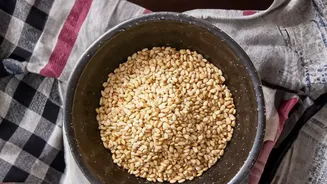
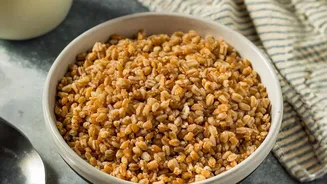
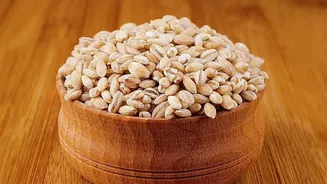
When you shop for barley, you'll typically find two main options: hulled and pearl. Hulled barley is the whole-grain version, with only the tough, inedible outer husk removed. It retains its bran and germ, making it richer in fibre and nutrients. Pearl barley, the more common variety in most supermarkets, has been polished to remove the bran layer. This results in a quicker cooking time and a softer texture that releases starch, making it an excellent thickener for soups and stews. While hulled barley is the more nutritious choice, both types offer a fantastic taste and texture.
A Nutritional Powerhouse
Beyond its delightful texture, barley is packed with health benefits. It is an excellent source of dietary fibre, particularly a soluble fibre called beta-glucan, which is known for its ability to help lower cholesterol and regulate blood sugar levels. This high fibre content also aids digestion and promotes a feeling of fullness, which can help with weight management. Additionally, barley is a good source of essential vitamins and minerals, including selenium, magnesium, and B vitamins, making it a smart and wholesome addition to any diet.
Mastering the Perfect Cook
Cooking barley is straightforward. As a general rule, use a ratio of one part barley to three parts liquid, like water or broth. Pearl barley typically cooks on the stovetop in about 30 to 45 minutes, while the heartier hulled barley can take 50 to 90 minutes. To prepare, simply bring the liquid to a boil, add the rinsed barley, then reduce the heat, cover, and simmer until the grains are tender but still have that signature chew. For a richer taste, try toasting the dry grains in the pot for a few minutes before adding liquid.
Transforming Soups and Stews
In soups, barley works wonders. It adds a substantial, satisfying bite that turns a light broth into a robust meal. The classic beef and barley soup is a perfect example, where the grain soaks up the rich, savoury flavours. Pearl barley is particularly great for this, as its starches naturally thicken the soup, creating a heartier consistency. It pairs beautifully with mushrooms, root vegetables, and herbs like thyme, making it a versatile addition to vegetable soups, minestrone, or chicken and barley variations.
Building a Better Salad
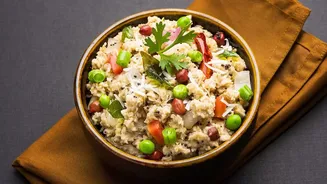
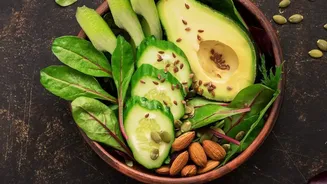
Cooled, cooked barley is a game-changer for salads. Its chewy texture provides a wonderful contrast to crisp greens and soft vegetables, and its substance makes any salad a more filling and complete meal. For a refreshing dish, toss cooked barley with chopped cucumber, cherry tomatoes, fresh parsley, chickpeas, and a zesty lemon vinaigrette. It also pairs wonderfully with roasted vegetables, crumbled feta cheese, and toasted walnuts for a more complex and earthy flavour profile.