







An Astronomical Sum
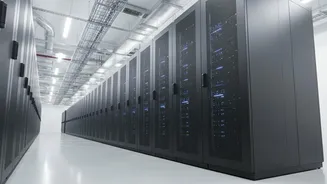
The $750 billion figure represents OpenAI's projected spending on the fundamental engine of AI: computing power. This includes everything from renting server time from cloud providers to building its own massive data centers. The figure, reported by The Wall
Street Journal, is an increase from a previous estimate of $600 billion and reflects the exponentially growing demand for resources to train and run ever more sophisticated AI models. This projected spending is spread across deals with major cloud providers like Microsoft, Oracle, and Amazon Web Services, signifying a massive effort to secure the infrastructure needed for the next decade of AI development.
Why AI Needs a Fortune
Training cutting-edge AI models is an incredibly expensive process. While the training cost for GPT-4 was estimated to be over $100 million, future models are expected to cost billions. This is because building more capable AI requires three things in massive quantities: data, specialized computer chips (like GPUs), and the electricity to power them all. As models become larger and more complex, the computational requirements grow exponentially. This spending plan isn't just about training the next GPT; it's about securing a long-term, stable supply of the massive computing power needed for research, development, and serving millions of users.
From Tenant to Landlord
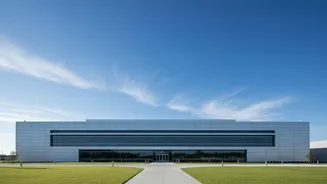
A significant part of this strategy involves a shift from simply renting capacity to building its own infrastructure. OpenAI has announced "Project Camellia," a $20 billion data center project in Georgia, which marks its first time leading the design and construction of its own facility. This move indicates a desire for greater control over its resources, aiming to optimize costs and deployment speed. Earlier discussions also revealed CEO Sam Altman's ambitions to raise funds for a global network of AI chip fabrication plants to overcome supply chain bottlenecks. Though separate from this compute spending plan, it highlights the same core strategy: securing every part of the AI supply chain.
Global Partnerships and Geopolitics
This massive investment is not a solo effort. OpenAI's primary backer, Microsoft, is a key partner, with OpenAI committing to billions in spending on its Azure cloud platform. The strategy also involves global players. OpenAI has partnered with G42, an Abu Dhabi-based AI firm, to deliver advanced AI to the UAE and surrounding regions. Microsoft has also invested $1.5 billion in G42, creating a three-way collaboration to advance AI infrastructure, including a plan to build one of the world's largest AI data centers in Abu Dhabi. These moves underscore the geopolitical importance of AI, as nations and corporations vie for technological supremacy.
Challenges and Risks
A plan of this magnitude faces enormous hurdles. The most significant is power. The projected electricity consumption for these future data centers is immense, with some projects requiring the output of multiple nuclear reactors. Global data center electricity use is already expected to more than double by 2030, largely driven by AI. There is also a financial risk. OpenAI's CFO has reportedly warned that the company could struggle to meet these computing commitments if its revenue doesn't grow fast enough to support the expenditure. The $750 billion figure is a bold projection of future needs, but its realization will depend on overcoming immense logistical, financial, and energy-related challenges.