


The Semolina Spectrum: Upma Across the South
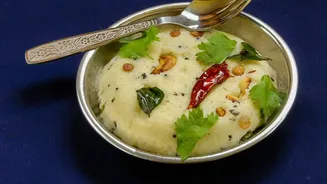
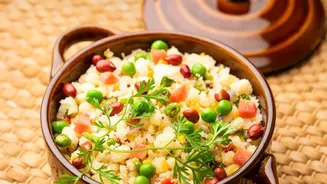
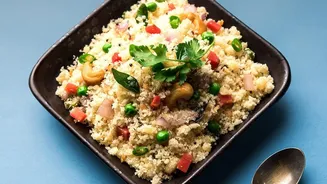
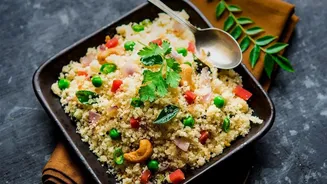
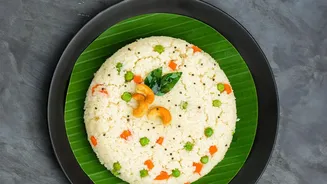
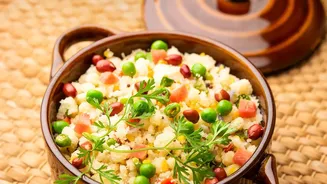
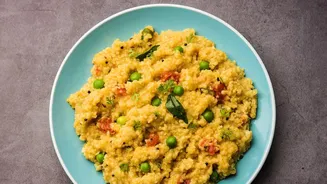
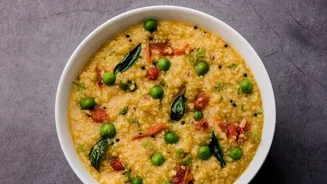
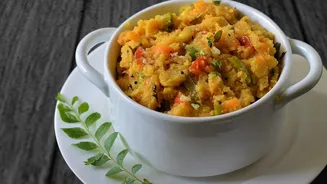
Upma is arguably one of India's most recognized breakfast dishes, a thick porridge most commonly made from dry-roasted semolina (rava or suji). While its origins are rooted in the South, its preparation varies significantly. In Tamil Nadu, a splash of lemon
juice is often added at the end, lending a tangy freshness to the dish. Head to Karnataka, and you might find a spicier version known as Khara Bath, often loaded with vegetables like carrots, peas, and beans, and sometimes served alongside a sweet semolina counterpart, Kesari Bath. In Kerala, the inclusion of grated coconut is common, adding a subtle sweetness and creamy texture that pairs beautifully with the savory spices. These subtle shifts in ingredients showcase how a single grain can be adapted to suit regional palates.
Flattened Rice, Elevated: The Poha Divide
Poha, made from flattened rice, is another breakfast staple, particularly beloved in Western and Central India. The two most famous versions come from Maharashtra and Madhya Pradesh, and their differences are distinct. Maharashtrian Kanda Poha is a hearty, sautéed dish where the primary vegetable addition is finely chopped onion ('kanda'), cooked with mustard seeds, turmeric, and green chillies, and often garnished with peanuts for crunch. In contrast, Indori Poha from Madhya Pradesh is defined by its unique cooking method. The flattened rice is steamed to an almost cloud-like softness and then topped with a special masala, fennel seeds, and generous garnishes of sev, pomegranate seeds, and fresh coriander. It's a study in texture and flavor, often served with a side of sweet jalebi to create a classic sweet-and-savory combination.
Not Just for Comfort: Khichdi's Morning Makeover
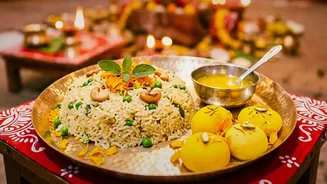
Often typecast as a simple comfort food for dreary days, Khichdi is a versatile dish of rice and lentils that also finds its place on the breakfast table in several regions. In Gujarat, it's prepared with minimal spices and served with a dollop of ghee and a side of yogurt or kadhi. The Bengali Bhoger Khichuri, traditionally made as a religious offering, is a much richer affair. It uses fragrant gobindobhog rice and roasted moong dal, and is often packed with vegetables like cauliflower, potatoes, and peas, making it a complete meal in itself. In Rajasthan, the grain itself changes, with pearl millet (bajra) often replacing rice to create a rustic and incredibly nutritious Bajra Khichdi, perfect for the arid climate.
Beyond Rice and Semolina: Other Notable Grains
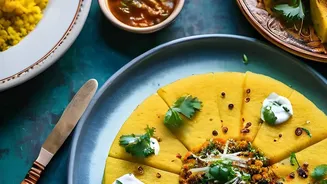
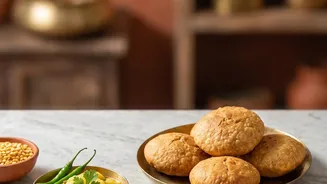
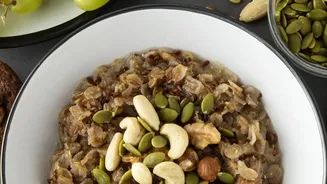
The world of Indian breakfast grains extends far beyond the usual suspects. In North India, Dalia, made from broken or cracked wheat, is a popular choice. It can be cooked as a savory porridge with vegetables, similar to upma, or prepared as a sweet dish with milk and sugar. The rise of health consciousness has also brought ancient grains like millets back into the spotlight. Across the country, you can now find upma, khichdi, and even dosa-like pancakes made from foxtail millet, pearl millet (bajra), or finger millet (ragi), offering a nutritious, gluten-free alternative. These grains bring their own unique textures and nutty flavors, proving that the foundation of a good Indian breakfast is as diverse as the country itself.