

The Core Difference: Control vs. Cardio
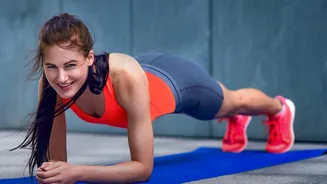
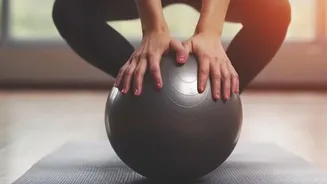
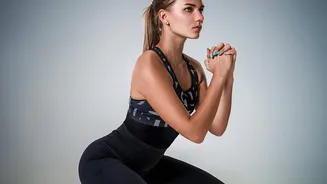
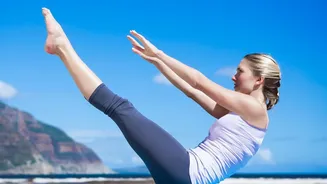
At its heart, the choice between Pilates and Zumba is a choice between two distinct fitness philosophies. Pilates is a low-impact exercise method that emphasizes control, precision, and core strength. Developed by Joseph Pilates, its movements are deliberate
and focused on building long, lean muscles, improving posture, and enhancing body awareness. A typical class is calm and centered, focusing on breathwork and the quality of each movement.Zumba, on the other hand, is a high-energy dance fitness party. Set to upbeat Latin and international music, it's a cardio-heavy workout disguised as fun. The focus is on moving, sweating, and burning calories through choreographed, easy-to-follow dance steps. The atmosphere is social, loud, and energetic, prioritizing fun and cardiovascular endurance over perfect form.
Goals: Toning and Strength or Weight Loss?
Your primary fitness goal is the most important factor in your decision. If you're looking to build core strength, tone your muscles, and improve your posture and flexibility, Pilates is the clear winner. Its focus on deep stabilizing muscles of the abdomen and back makes it highly effective for creating a strong, stable center and preventing injury.If your main goal is weight loss and cardiovascular health, Zumba has the edge. The high-intensity, interval-style nature of a Zumba class leads to a significant calorie burn. Studies have shown that an average Zumba session can burn more calories than many other group classes, including step aerobics and even advanced Pilates. This makes it a very efficient choice for those looking to shed pounds while improving heart and lung capacity.
Impact: Gentle on Joints or High-Energy Jumps?
How a workout feels on your body is a crucial consideration, especially if you have joint concerns or are recovering from an injury. Pilates is a low-impact exercise, meaning your feet generally stay grounded, and there's no jarring or jumping. This makes it an excellent, safe option for people of all ages, fitness levels, and those with conditions like arthritis or back pain.Zumba is generally considered a high-impact workout because it involves jumping, hopping, and other dynamic dance moves. While instructors often provide low-impact modifications, the standard class puts more stress on joints like the knees and ankles. This isn't necessarily bad—high-impact exercise is great for building bone density—but it's something to be aware of if you have sensitive joints. Some formats, like Aqua Zumba, offer a low-impact version of the dance workout.
Music and Vibe: Party or Precision?
Never underestimate the power of atmosphere to keep you coming back to a workout. A Zumba class feels like a party. The music is loud, the energy is infectious, and the focus is on letting loose and having fun. For many, this social, high-energy environment is a huge mood booster and a key motivator.Pilates is on the opposite end of the spectrum. The environment is typically quiet and focused, often with minimal or calming background music. The vibe is more internal and mindful, emphasizing the mind-body connection. If you're looking for an hour to tune out the world, connect with your body, and relieve stress through focused movement, Pilates provides a meditative experience that a high-energy dance class cannot.
The Best of Both Worlds
Ultimately, you don't have to choose just one. In fact, Pilates and Zumba complement each other perfectly. You could use Zumba for your high-intensity cardio days to burn calories and boost your heart health, and then use Pilates for your strength and recovery days to build a strong core, improve flexibility, and protect your joints. This combination creates a well-rounded fitness routine that addresses cardio, strength, flexibility, and balance.