








Why Your Diet Demands a Rethink
Wegovy and similar medications work by mimicking a hormone called GLP-1, which tells your brain you're full and slows down how quickly your stomach empties. This leads to a natural reduction in calorie intake. However, this powerful effect comes with
a new challenge: when you're eating significantly less, you have fewer opportunities to get the vital nutrients your body needs. Simply eating less isn't the goal; eating better is. Without a focus on nutrient-dense foods, you risk muscle loss, fatigue, and nutritional deficiencies that can undermine your health goals. Quality over quantity becomes the essential rule for every meal.
Prioritise Protein to Protect Muscle
When you're in a calorie deficit, your body can start breaking down muscle for energy, not just fat. This is where protein becomes your most valuable player. A high-protein diet is crucial to preserve lean muscle mass, which is vital for a healthy metabolism. Protein also enhances the feeling of fullness, helping you stay satisfied between smaller meals. Aim to include a source of lean protein in every meal and snack. Excellent choices include chicken breast, fish, eggs, tofu, and Greek yogurt. For vegetarians in India, dals, chickpeas, paneer, and lentils are fantastic, nutrient-rich options.
Fill Up on Fibre for Digestion and Fullness
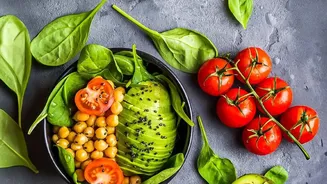
One of the common side effects of slowed digestion from Wegovy is constipation. Dietary fibre is the best way to manage this. Fibre helps keep your digestive system moving regularly and comfortably. It also adds bulk to your smaller meals, helping you feel satisfied, and plays a role in regulating blood sugar. Incorporate a wide range of high-fibre foods into your day. This includes whole grains like whole-wheat roti, brown rice, and oats, as well as plenty of vegetables like broccoli and spinach, and fruits like apples and berries. Legumes like beans and lentils are double-duty foods, providing both fibre and protein.
Embrace Variety for Essential Vitamins
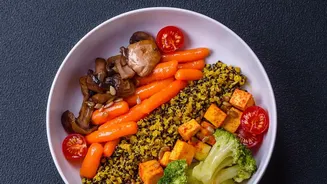
When your total food intake is lower, you can't afford to eat the same few things every day. A varied diet is your best insurance against micronutrient deficiencies. Different foods provide different vitamins and minerals, all of which are essential for energy, immune function, and overall health. Think of it as 'eating the rainbow.' Try to include a wide array of colourful vegetables and fruits in your weekly plan. Don't just stick to one type of grain or protein source. Rotating your food choices ensures you're getting a broad spectrum of nutrients, which is critical when every bite has to count.
Smart Strategies for Smaller Meals
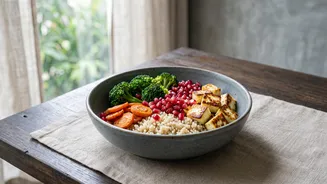
Adjusting to a smaller appetite can be tricky. Instead of three large meals, you may find that smaller, more frequent meals work better to manage energy levels and avoid feeling overly full or nauseous. Plan your meals in advance to ensure they are balanced. A balanced plate can be imagined as half vegetables, a quarter lean protein, and a quarter high-fibre carbohydrates. Hydration is also key; drink plenty of water between meals to aid digestion and help manage side effects, but try to avoid drinking too much with meals to prevent bloating. Above all, listen to your body's new fullness cues and stop eating when you feel satisfied, not stuffed.