










An Epic of Mythic Proportions
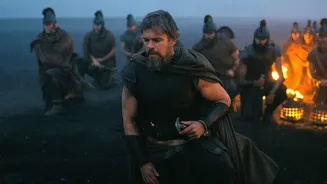
Following his Oscar-winning success with Oppenheimer, Christopher Nolan has turned his attention to one of the oldest stories in Western literature: Homer's The Odyssey. The film, starring Matt Damon as the hero Odysseus on his long journey home after
the Trojan War, features a star-studded cast including Anne Hathaway and Tom Holland. With a budget estimated around $250 million, Nolan is not just adapting a classic text; he is creating a technical monument. The Odyssey is the first feature film in history to be shot entirely, from start to finish, using 15/70mm IMAX film cameras. This decision is the driving force behind the film's unprecedented and exclusive release.
What is 15/70mm IMAX?
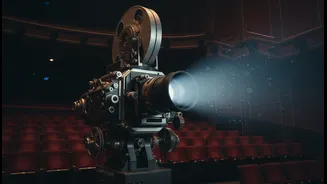
Not all IMAX is created equal. The format Nolan has used for The Odyssey is the gold standard: 15-perforation, 70mm film. Unlike standard film which runs vertically through a projector, IMAX film runs horizontally. Each frame is enormous, about ten times the size of a standard 35mm frame, capturing breathtaking detail with a resolution equivalent to 18K. This allows for a unique, nearly square 1.43:1 aspect ratio that fills the gigantic, multi-storey IMAX screens from top to bottom, creating an unparalleled sense of immersion. For Nolan, this isn't just a technical preference; it's what he considers the highest quality imaging format ever created, an experience that simply cannot be replicated at home or in a standard cinema.
The Challenge of Scarcity
The reason this experience is so rare is simple: the technology is almost extinct. IMAX has not manufactured new 15/70mm film projectors in roughly 50 years. To accommodate Nolan’s vision for The Odyssey, the company undertook a global effort to find, refurbish, and rebuild old projectors, increasing the number of capable theatres from the 30 available for Oppenheimer to just 41 for this new release. These projectors are complex, expensive to maintain, and require highly trained projectionists. The result is a bottleneck where overwhelming demand meets an extremely limited supply. Tickets for these 41 venues sold out almost instantly, some appearing on resale sites for staggering prices, turning the film's premiere into one of the hottest tickets in recent memory.
The Sobering Reality for India
For cinephiles in India, the news is disappointing. Of the 41 theatres in the world capable of projecting The Odyssey in its true 15/70mm IMAX format, not a single one is located in India. While the country has a growing number of digital IMAX screens, none are equipped for the analogue film projection Nolan’s epic was designed for. India once had such theatres, like the famed Prasad's IMAX in Hyderabad, but high operational costs led to them being decommissioned in favour of more economical digital systems. There is a single 15/70mm projector in the country, at the Gujarat Science City in Ahmedabad, but it is an educational venue not used for commercial film releases. This means Indian audiences will miss out on the specific, full-frame experience the director intended.
Art Versus Accessibility
The film's release has sparked a passionate debate. Is this the ultimate celebration of the theatrical experience or an elitist move that prioritises artistic purity over audience access? Nolan's ambition has pushed the boundaries of filmmaking, requiring the invention of new camera enclosures just to make shooting an entire feature on the loud IMAX cameras possible. Yet, by creating a film that less than 3% of IMAX-branded theatres can even show properly, it highlights a chasm between the creator's vision and the audience's reality. While most viewers will still see a version of The Odyssey in digital IMAX or standard theatres, the 'definitive' version remains a cinematic pilgrimage for a select few.