






An Oil with a Royal Pedigree
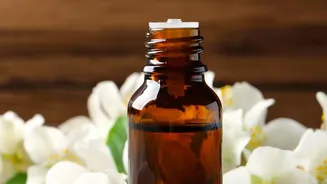
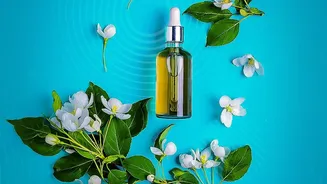
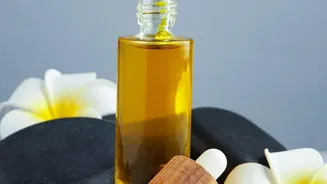
Neroli oil is the fragrant essential oil steam-distilled from the delicate white blossoms of the bitter orange tree, known botanically as Citrus aurantium amara. Its name is famously traced back to the 17th-century Italian Princess of Nerola, who adored
the scent and used it to perfume her gloves and bathwater, popularizing it among European nobility. But its allure is more than just historical. The process is incredibly labor-intensive; it takes roughly 1,000 kilograms of hand-picked blossoms to produce just one kilogram of neroli oil, making it one of the most precious and expensive essential oils in the world. Its scent is a complex and intoxicating blend of floral and citrus notes, with hints of honey and spice that have made it a cornerstone of perfumery for centuries.
The North African Terroir
While the bitter orange tree originally came from Asia, it found an ideal home in the sun-drenched Mediterranean climate of North Africa. Today, countries like Tunisia, Morocco, and Egypt are major producers of the world's highest-quality neroli oil. The region's terroir—the unique combination of soil and climate—contributes to the oil's potent aromatic profile. In places like Tunisia's Cape Bon region and Egypt's Nile Delta, generations of families and small farmer cooperatives have perfected the art of cultivation and distillation. The harvest is a race against time, with blossoms hand-picked at dawn to preserve their volatile oils before being rushed to distilleries. This deep-rooted tradition not only ensures a high-quality product but also supports local economies, often providing vital employment for women in rural communities.
More Than Just a Beautiful Scent
The renewed buzz around neroli is not just about its fragrance. The oil is a powerhouse of skincare benefits. It's lauded for its ability to help regenerate skin cells, which can improve the appearance of scars, stretch marks, and fine lines. Its natural anti-inflammatory and antimicrobial properties make it a soothing choice for irritated or blemish-prone skin, helping to reduce redness and calm breakouts. Unlike many potent ingredients, neroli is also known for being gentle, making it suitable for sensitive skin. Furthermore, it acts as a natural astringent that helps balance sebum production, refining the look of pores for both oily and dry skin types without stripping moisture.
Why Is It Trending Now?
So, why the sudden surge in interest? The rise of African neroli oil sits at the intersection of several major modern consumer shifts. Firstly, the clean beauty movement has created a demand for ingredients that are both natural and highly effective. Neroli fits perfectly, offering a suite of scientifically-backed benefits. Secondly, today's consumers are increasingly interested in the story behind their products. The narrative of neroli—with its ethical sourcing, traditional harvesting methods, and community impact in regions like Tunisia and Morocco—resonates deeply. Finally, there's the growing focus on holistic wellness. Neroli is celebrated in aromatherapy for its ability to calm the mind, ease feelings of stress, and uplift the spirit, with some studies showing it can help reduce cortisol levels. This dual power, offering benefits for both skin and mood, makes it a hero ingredient for our times.