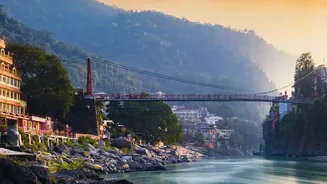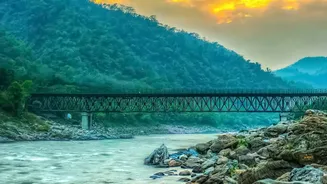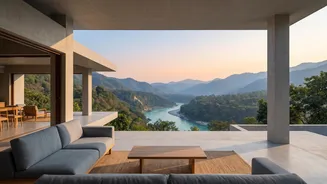






The Great Outdoors as the Main Attraction
The demand for trips centered on the natural world is no longer a niche market but a primary driver for travelers globally. Recent reports highlight a significant shift towards experiences that offer fresh air and a connection to the outdoors. A global survey
from Hilton revealed that 79% of travelers consider fresh air and nature essential for relaxation while on vacation. This trend goes beyond simply choosing a scenic hotel. It’s about immersion. Think of hiking tours, camping, stays in remote cabins, and exploring lesser-known natural parks. The post-pandemic era has amplified the desire for open spaces and activities that minimize risk while maximizing rejuvenation. This has also spurred a rise in eco-tourism, where travelers actively seek sustainable options that benefit both the environment and local communities. Destinations that were once considered flyover country are now becoming hotspots for those looking to escape crowded cities and reconnect with the environment.
The Pursuit of Genuine Rest
In our always-on world, the concept of rest has become a luxury, and travel is increasingly seen as the ultimate opportunity to achieve it. The wellness tourism market is a testament to this, projected to become a $1.4 trillion industry by 2027. But this isn't just about spa treatments. The new definition of rest involves a more holistic approach. According to recent travel trend reports, 65% of travelers are actively seeking experiences designed to calm the body and reset the nervous system. This has fueled the rise of digital detox retreats, where the goal is to disconnect from screens to reconnect with oneself and the surrounding environment. It has also popularised 'slow travel', where longer stays in a single location are preferred over rushing through multiple cities. This approach allows for deeper cultural engagement and a more restorative pace, turning a vacation from a stressful itinerary into a chance for genuine recovery.
Flexibility Is the New Standard
If the last few years have taught travelers anything, it's that plans can change. This uncertainty has cemented flexibility as a non-negotiable aspect of travel planning for 2027. Travelers now expect and prioritize lenient cancellation policies from airlines, hotels, and tour operators, giving them peace of mind. But flexibility extends beyond bookings. It’s also about the structure of the trip itself. The rise of remote work has created a new category of 'digital nomads' who blend work with travel, demanding adaptability in their arrangements. Furthermore, there's a move away from the pressure of the “perfect” vacation. Reports indicate over half of travelers feel pressured to create a flawless trip. The counter-trend is what Hilton has termed the “ish” vacation—healthy-ish, adventure-ish, or solo-ish—where spontaneity and personal choice trump rigid schedules. This might mean booking a solo trip to meet friends later or mixing a day of structured sightseeing with an afternoon of unplanned wandering.
The 'Great Rebalance' in Action
These three pillars—nature, rest, and flexibility—are not isolated trends but interconnected components of a larger shift in traveler mindset, dubbed 'The Great Rebalance' by some industry experts. People are no longer just seeking a break; they want a reset. A 2027 vacation might look like a month-long stay in a single coastal village (slow travel and flexibility), with days spent hiking and kayaking (nature) and evenings dedicated to reading instead of scrolling (rest). Or it could be a series of shorter, more frequent 'micro-trips' to nearby natural areas, offering quick but impactful doses of rejuvenation. The common thread is intention. Travelers are becoming more deliberate about why and how they explore, moving from passive sightseeing to active experience-seeking. The goal is no longer to just see a new place, but to return home feeling genuinely enriched and restored.