






The Myth of the Healthy Thin Indian
For decades, the public health message has been simple: maintain a healthy weight to avoid lifestyle diseases like high cholesterol. While excess body weight is indeed a risk factor, an alarming trend is revealing the limitations of this advice for the Indian
population. Studies show a high prevalence of dyslipidemia—an unhealthy balance of fats in the blood—among Indians who are not overweight by standard Body Mass Index (BMI) charts. This phenomenon is often called Metabolically Obese Normal Weight (MONW) or the "thin-fat Indian" phenotype. These individuals appear lean externally but carry hidden metabolic risks, including unhealthy cholesterol profiles that elevate their chances of developing heart disease. Recent research from the Indian Council of Medical Research (ICMR) found that nearly nine out of ten Indian adults have at least one abnormal lipid parameter, and a significant number of these individuals are considered metabolically normal otherwise.
It's In The Genes
One of the most significant factors at play is genetics. South Asians are genetically predisposed to having a specific type of dyslipidemia. This often includes lower levels of high-density lipoprotein (HDL), the "good" cholesterol that helps clear fat from the arteries, and higher levels of triglycerides, another type of fat in the blood. For any given cholesterol level, the risk of heart disease among South Asians can be double that of other ethnic groups. This genetic susceptibility means that even with a healthy diet and lifestyle, some individuals may struggle with their cholesterol balance. It also helps explain why heart disease can appear at a younger age in Indians compared to many Western populations.
The Danger of Visceral Fat
Not all fat is created equal. While BMI measures overall weight against height, it doesn't distinguish between different types of fat. The real danger often lies in visceral fat—the fat that accumulates deep within the abdominal cavity, wrapping around vital organs like the liver and intestines. This "hidden fat" is metabolically active, releasing inflammatory substances and hormones that can disrupt insulin function, raise triglycerides, and lower protective HDL cholesterol. In Indians, there is a tendency to accumulate this visceral fat even with a normal BMI. Recent studies highlight that abdominal obesity, often measured by waist circumference, is a much stronger predictor of abnormal lipid levels and heart disease risk than BMI alone.
What's On Your Plate?
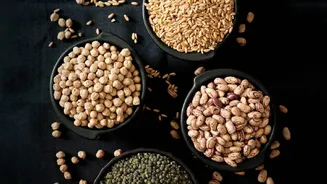
Diet plays a crucial role, but not always in the way people assume. While fried foods and ghee are known contributors, the larger issue in many modern Indian diets is the overconsumption of refined carbohydrates. Foods like white rice, maida-based breads (naan, paratha), biscuits, and packaged snacks cause blood sugar to spike. This prompts the liver to produce more triglycerides and VLDL (very-low-density lipoprotein), a precursor to "bad" LDL cholesterol. This means a diet that isn't visibly high in fat can still quietly worsen your cholesterol profile. Conversely, a traditional Indian diet rich in soluble fibre from dals, legumes, millets, and vegetables can significantly help manage cholesterol by binding to it in the gut and removing it from the body.
Lifestyle's Unseen Impact
Beyond genetics and diet, modern lifestyle factors contribute significantly. Chronic stress, poor sleep, and increasingly sedentary work lives all have a metabolic impact that can affect cholesterol levels. Physical inactivity is a major issue, as exercise is proven to help raise good HDL cholesterol and manage overall lipid profiles. A combination of these factors—a genetic predisposition interacting with a high-carb diet and a sedentary lifestyle—creates a perfect storm for developing dyslipidemia, regardless of what the weighing scale says. This underscores the need for a holistic view of health that moves beyond simplistic metrics like body weight.