




The Morning Blood Sugar Puzzle
For millions of people managing diabetes or pre-diabetes, breakfast is the most important and often trickiest meal of the day. After an overnight fast, the body's response to carbohydrates can be pronounced. Many common breakfast choices, from sweetened
cereals and white bread to even some seemingly healthy options, can lead to a rapid increase in blood glucose levels. This sets off a cycle of insulin spikes and subsequent crashes, leaving you feeling tired and hungry long before lunchtime. The key to a better breakfast lies in choosing complex carbohydrates that release energy slowly and steadily, which is where a humble, ancient grain enters the picture.
Meet Barley: An Old Grain with New Tricks
Barley, known as 'jau' in India, is a versatile grain that has been a staple in diets for centuries. While it may have been overshadowed by wheat and rice, its unique nutritional profile makes it a standout for modern health concerns. Barley has one of the lowest glycemic index (GI) scores of any grain, often ranking between 25 and 30, whereas white rice can have a GI of 70 or more. This means it releases sugar into the bloodstream at a much slower and more controlled pace, preventing the sharp spikes associated with high-GI foods. This property makes it an excellent food for those looking to manage their blood sugar levels effectively.
The Science of Stability: Beta-Glucan
Barley's secret weapon is a specific type of soluble fibre called beta-glucan. While oats are also famous for this fibre, barley often contains higher amounts. When you eat barley, the beta-glucan mixes with water in your gut to form a thick, gel-like substance. This gel has a threefold benefit: it physically slows down the digestion of carbohydrates, it hinders the absorption of sugar into the bloodstream, and it helps you feel full for longer. This process leads to smaller blood sugar and insulin spikes after meals, improving glycemic control over time. Studies have shown that regular consumption of barley can improve insulin sensitivity and help manage key markers of diabetes.
Building the Perfect Barley Breakfast Bowl
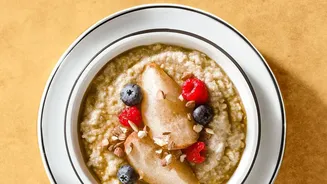
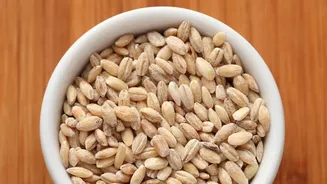
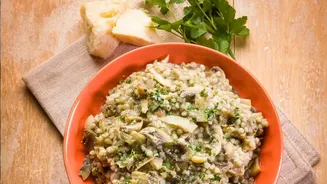
Making a barley breakfast bowl is simple. The grain has a pleasant, nutty flavour and a chewy texture that works well as a porridge. You will want to use hulled or pearl barley. Hulled barley is the whole-grain version and is nutritionally superior, but it takes longer to cook. Pearl barley, which has the outer husk removed, cooks faster. To save time, you can cook a large batch ahead of time. Start by simmering one cup of barley in about three cups of water for 35-45 minutes, or until tender. Once cooked, you can store it in the refrigerator for several days. To serve, simply reheat a portion with a splash of milk or water to create a creamy porridge.
Smart Toppings for Added Benefits
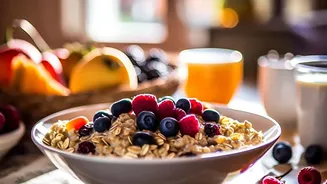
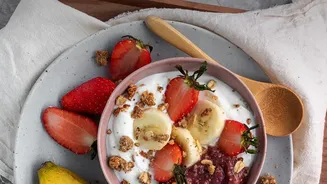
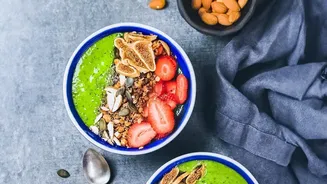
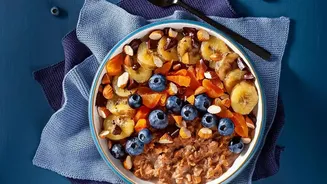
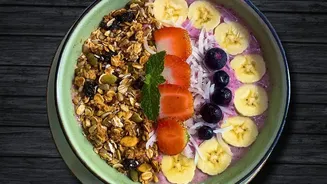
What you add to your barley bowl is just as important as the base. To keep it blood-sugar-friendly, avoid high-sugar toppings like maple syrup or excessive dried fruit. Instead, focus on toppings that add fibre, healthy fats, and protein. Good choices include a sprinkle of cinnamon (which may help with blood sugar control), a handful of walnuts or almonds, and seeds like chia or flax. For natural sweetness and extra nutrients, add a small portion of low-glycemic fruits like berries. A dollop of unsweetened yogurt can also add creaminess and a protein boost, further helping to stabilise your energy levels throughout the morning.