




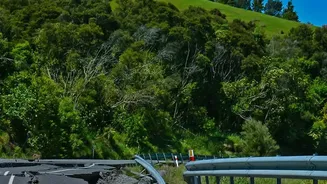

A Land of Rivers and Risk
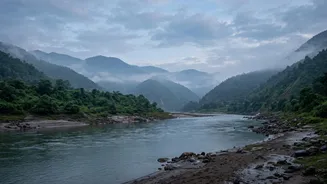
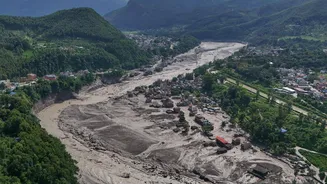
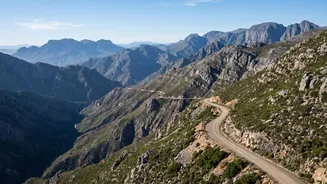
Nepal's geography is both a source of breathtaking beauty and immense danger. Its steep, mountainous terrain and the fragile geology of the young Himalayas make it highly susceptible to natural disasters. During the monsoon season, torrential rains can
trigger devastating flash floods and landslides. Rivers that originate in the high Himalayas, some across the border in Tibet, can swell in an instant, sending a destructive torrent of water, mud, and boulders downstream. This combination of steep slopes, heavy rainfall, and powerful river systems puts countless communities living in the river valleys and the southern Terai plains at constant risk, where lives and livelihoods can be washed away in minutes.
An Eye on the Headwaters
Upstream monitoring is the practice of observing conditions at the source of a river to anticipate dangers downstream. In its simplest form, this involves community volunteers physically watching river levels. Today, it has evolved into a more sophisticated system known as a Community-Based Flood Early Warning System (CBFEWS). These systems use a combination of technologies and human networks. Automated sensors and rain gauges are placed in upstream catchments to monitor rising water levels and rainfall intensity. When the water crosses a predetermined warning level, a signal is transmitted to a caretaker's house, often triggering a siren and sending out automated alerts. This technological aspect is crucial, but the human element is what makes it truly effective.
The Power of a Few Hours' Notice
The single most important benefit of upstream monitoring is time. In the past, communities often had little to no warning before a flood hit. Modern systems can now provide a lead time of anywhere from a few to several hours. This window, though seemingly small, is life-saving. It gives families enough time to evacuate to safer ground, move valuable livestock, and secure essential documents and belongings. Instead of reacting in the middle of a disaster, communities can take proactive measures. This shift from a reactive to a proactive approach is fundamental in reducing casualties and protecting livelihoods that have taken generations to build.
Communities at the Core
Technology alone is not enough. The most successful early warning systems are deeply embedded within the community. Local volunteers are trained to be the core of the system. They monitor the equipment, verify alerts, and, most importantly, disseminate the warnings through various channels: phone calls, SMS messages, social media, and even local FM radio stations. This approach leverages local knowledge and existing social networks, ensuring the warnings are trusted and understood. It empowers residents, many of whom are women, as men often migrate for work, to take charge of their own safety, fostering a culture of resilience and preparedness from the ground up.
Bridging the Gaps in a Changing Climate
Despite significant progress, challenges remain. Maintaining equipment in remote, rugged terrain is difficult, and ensuring warnings reach the 'last mile' in areas with poor connectivity is an ongoing struggle. Furthermore, climate change is making weather patterns more erratic and extreme, increasing the frequency of events like Glacial Lake Outburst Floods (GLOFs). Many of Nepal's major rivers originate in China, but a formal, robust cross-border system for sharing real-time data on upstream threats is still lacking. Tragic floods have highlighted this gap, where a disaster originating in one country devastates another before official information can be shared, underscoring the urgent need for regional cooperation.