



The Chug of History Begins
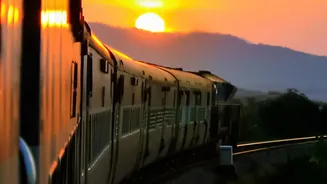
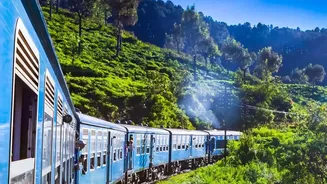
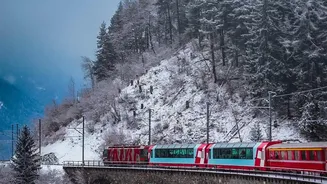
The journey on the Nilgiri Mountain Railway (NMR), affectionately known as the 'toy train', is a trip back in time. As the blue and cream carriages pull away from Mettupalayam, the pace is deliberately slow, a gentle introduction to a ride that prioritises
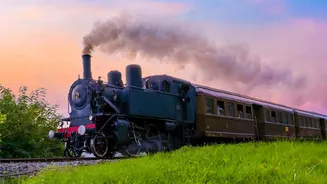
scenery over speed. Initially, the landscape is dotted with palm trees and the familiar sights of the Tamil Nadu plains. But soon, the ascent begins. The train, pushed by a powerful steam locomotive on its initial, steepest leg, starts its determined climb, leaving the heat and hustle of the lowlands behind. This isn't just a commute; it's a moving portrait of a changing landscape, a journey that has captivated travellers for over a century.
An Engineering Marvel on a Steep Incline
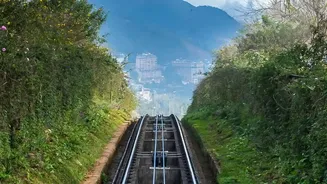
What makes this journey truly extraordinary is the technology that powers it. The NMR is the only rack railway in India, a testament to brilliant British engineering from 1908. Between Mettupalayam and Coonoor, the gradient becomes incredibly steep. To conquer this, the track employs the ingenious Abt rack and pinion system—a toothed rail running between the conventional rails. The locomotive engages this third rail with a cogwheel, allowing it to grip and push the train up gradients that would be impossible for a normal train. This section is the steepest in all of Asia, a slow, powerful climb that offers plenty of time to marvel at both the natural beauty and the human ingenuity required to traverse it.
Through Tunnels, Bridges, and Tea Gardens
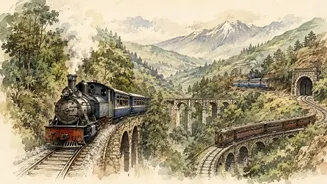
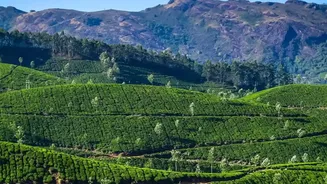
The 46-kilometre route is a spectacle of nature and construction, navigating 16 tunnels, 250 bridges, and over 200 curves. After leaving the plains, the train plunges into dense forests and emerges to stunning vistas of deep valleys. The stations along the way—like Kallar, Adderly, and Hillgrove—serve as charming water stops for the thirsty steam engine, allowing passengers to stretch their legs and soak in the increasingly cool mountain air. The most dramatic shift occurs as you approach Coonoor. The scenery transforms into a vibrant green carpet of meticulously manicured tea estates. At Coonoor, the main intermediate station, the steam engine often makes way for a diesel locomotive to complete the gentler, final leg of the journey to Ooty, but the magical views continue unabated.
A UNESCO World Heritage Experience
In July 2005, UNESCO recognised the Nilgiri Mountain Railway as a World Heritage Site, an extension of the prestigious Mountain Railways of India listing. This status honours its unique engineering and its cultural significance as a living piece of history. The train is more than just transport; it’s a destination in itself. The slow pace encourages a unique sense of camaraderie among passengers. Windows become frames for breathtaking, ever-changing paintings of mist, mountains, and waterfalls. The rhythmic sounds of the wheels on the track and the powerful hissing of the steam engine provide a constant, nostalgic soundtrack. It’s a sensory experience that forces you to slow down and appreciate the journey, not just the arrival.