


The Quest for India's First Sunrise
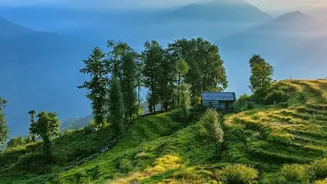
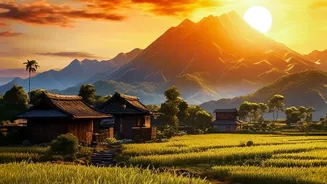
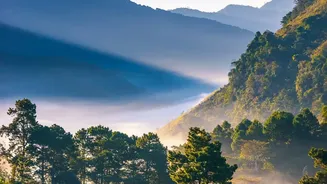
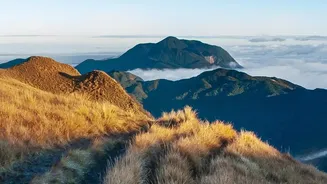
The main allure of Dong Valley is its geographical distinction as the place where India greets the day's first light. This isn't just a marketing claim; its position at a high altitude on India's extreme eastern longitude was formally verified in 1999.
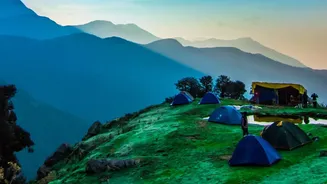
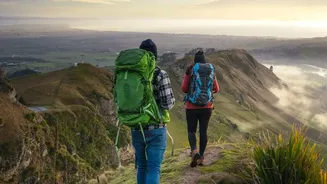
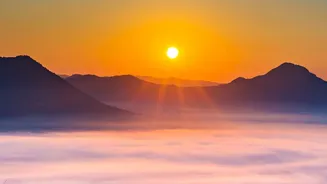
To experience this phenomenon, travellers must embark on a pre-dawn trek. The journey typically begins around 2 a.m. from the nearby town of Walong, leading to a steep, 90-minute climb up a pine-forested ridge in complete darkness. The reward is watching the sun appear over the horizon around 4:30 a.m., casting a golden glow across the mountain peaks while the rest of the country is still asleep. The trek, though challenging, offers an unparalleled sense of accomplishment and a truly memorable spectacle.
Navigating to the Edge of India
Reaching Dong Valley is an adventure in itself, requiring careful planning. The journey typically starts from Dibrugarh in Assam, which has the nearest major airport and a well-connected railway station in nearby Tinsukia. From there, it’s a two-day road trip of approximately 400 km to Walong, the main base for exploring Dong. The drive takes you through Tezu and Hayuliang, following the dramatic gorges of the Lohit River. Travellers must obtain an Inner Line Permit (ILP) to enter Arunachal Pradesh, which can be applied for online. Given the remote and rugged terrain, hiring a robust vehicle and stocking up on fuel and cash in larger towns like Tezu is highly recommended.
The Mighty Lohit and Its Valley
The Lohit River is the lifeblood of this region, carving its way through the landscape and shaping the lives of the people who live here. Originating in Tibet, this powerful tributary of the Brahmaputra flows through deep gorges and scenic valleys, with its sapphire-blue waters creating a stunning contrast against the green hills. The journey to Walong runs alongside the river, offering breathtaking views at every turn. In Dong itself, a foot suspension bridge spans the river, connecting the village to Walong and providing a thrilling crossing point for locals and visitors alike. The river and its confluence with the Sati stream create a picturesque setting perfect for photography and quiet contemplation.
A Glimpse into Meyor Culture
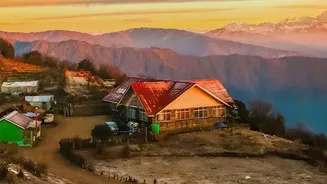
A trip to Dong is incomplete without experiencing the unique culture of the Meyor people. This small, indigenous community are the primary inhabitants of Dong and the surrounding villages like Kaho. With a population of only around a thousand, the Meyors have a rich cultural heritage that blends animism with Mahayana Buddhism. They are known for their warm hospitality, often welcoming travellers into their homes for a cup of butter tea. Visitors have the opportunity to learn about their agro-pastoral lifestyle, traditional stilt houses, and intricate beadwork. Respectful interaction provides a deep and meaningful connection to the region, making the journey about more than just landscapes. A 'Sun Rise Festival' has also been initiated to celebrate the local culture.
Planning Your Dong Valley Trip
The best time to visit Dong Valley is during the clearer, drier months from October to April. This period offers pleasant weather and the best chances for unobscured sunrise views. Monsoon season, from June to September, should be avoided due to heavy rainfall and the risk of landslides. Accommodation is limited and basic, primarily consisting of homestays and government guesthouses in Walong, the closest town. Booking in advance is crucial, especially during peak seasons. For the sunrise trek, essentials include very warm clothing, a headlamp with extra batteries, sturdy trekking shoes, and a flask with a hot beverage. As there are few amenities beyond Tezu, it is wise to carry all necessities with you.