





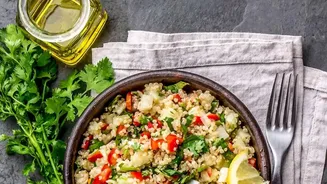
The Global Star: Quinoa
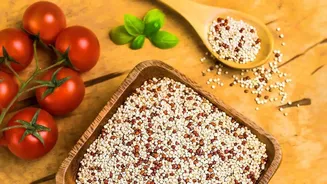
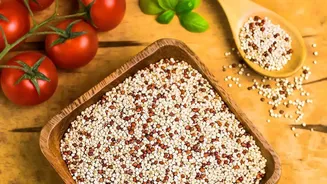
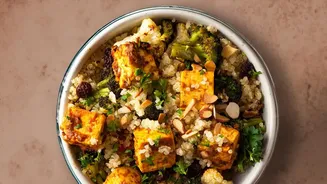
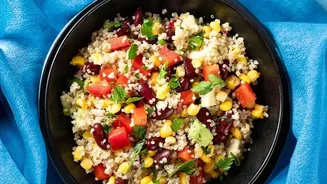
Originally from South America, quinoa (which is technically a seed) exploded onto the global health scene for a few key reasons. It's famously a 'complete protein', meaning it contains all nine essential amino acids that our bodies can't produce on their
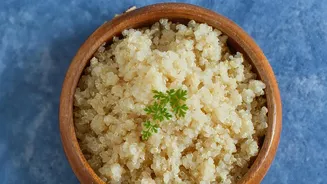
own. With about 13-14 grams of protein per 100g (raw), it offers more than most other grains. Its mild, nutty flavour and fluffy texture make it incredibly versatile, easily substituting for rice or couscous in salads, pulaos, and bowls. For years, it has been the go-to choice for those seeking a high-protein, gluten-free option.
The Desi Champion: Ragi
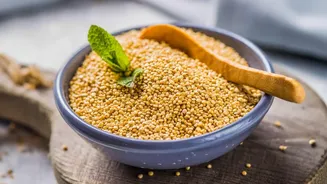
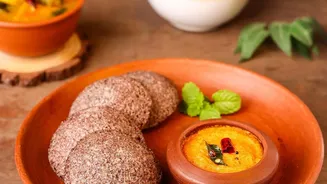
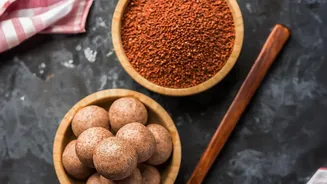
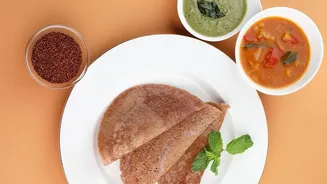
Ragi, or finger millet, is no newcomer. It has been a staple in Indian agriculture and cuisine for centuries, especially in southern states. This hardy, drought-resistant crop is experiencing a major comeback. While it may not have the same global fame as quinoa, ragi is a nutritional powerhouse in its own right. Known as 'nachni' in some parts of India, it has long been used to make everything from rotis and dosas to porridges for babies and adults. Its resurgence is a testament to the growing appreciation for traditional, local foods.
Nutritional Showdown
This is where things get interesting. Quinoa wins on protein, offering nearly double the amount found in ragi (approx. 13g vs 7g per 100g). However, ragi is the undisputed champion of calcium. It contains a staggering 344mg of calcium per 100g, which is more than almost any other cereal and significantly more than quinoa's 198mg. For iron, the two are more competitive, with some data showing quinoa slightly ahead. Both grains are excellent sources of dietary fibre, which aids digestion and helps you feel full longer. Both also have a low glycemic index, making them good choices for blood sugar management.
The Price Factor
For the everyday consumer in India, this is a significant difference. Ragi is a locally grown millet and is widely available and affordable, often costing a fraction of what quinoa does. Quinoa, much of which is still imported or grown as a specialty crop, carries a premium price tag that reflects shipping, marketing, and its global 'superfood' status. For families consuming grains daily, the cost difference can be substantial, making ragi the much more budget-friendly option.
In The Kitchen
Here, the choice depends entirely on what you're making. Ragi's earthy flavour lends itself perfectly to traditional Indian preparations. Ragi flour is ideal for making soft rotis, crispy dosas, nutritious porridge (kanji), and even baked goods like cookies and cakes. Quinoa's lighter texture works beautifully in salads, as a base for vegetable bowls, or cooked like upma. While you can incorporate quinoa into Indian dishes, ragi is often a more natural fit for the flavours and textures of regional Indian cuisine.
The Verdict: Which Should You Choose?
There is no single winner here. The 'better' grain depends entirely on your personal health goals, budget, and culinary needs. If your primary goal is to maximise protein intake, quinoa is the stronger choice. If you are focused on bone health and increasing your calcium intake from plant-based sources, ragi is unparalleled. For those on a budget, ragi is the clear economic winner. Ultimately, interpreting gluten-free cooking isn't about choosing one 'superfood' over another. It's about understanding the unique benefits each ingredient brings to your plate.