




The ‘Why’ Behind the Sawan Diet
The dietary customs of Sawan, or Shravan, are deeply rooted in both spiritual principles and ancient seasonal wisdom. The primary goal is to consume a 'sattvic' diet, which is believed to promote purity, calmness, and mental clarity, aiding in spiritual focus.
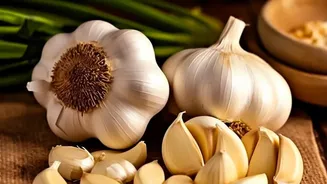
According to Ayurveda, foods are classified into three categories: sattvic (pure), rajasic (stimulating), and tamasic (dulling). During Sawan, devotees avoid rajasic and tamasic foods like onion, garlic, and non-vegetarian dishes to help calm the mind and body. Furthermore, Sawan coincides with the monsoon season, a time when Ayurveda suggests our digestive fire, or 'agni', is weaker. The traditional diet, therefore, emphasizes light, easily digestible foods, a practice that aligns perfectly with maintaining good health during the humid, high-risk monsoon months.
The Myth About Leafy Greens
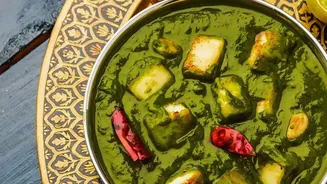
Contrary to what some lists might suggest, leafy green vegetables like spinach and fenugreek are traditionally avoided during Sawan. This isn't a nutritional verdict but a practical precaution rooted in seasonal realities. During the monsoon, the damp and humid conditions are ideal for insects and microbes to thrive on the surface and within the folds of leafy greens. In an era before modern pesticides and refrigeration, consuming these greens posed a higher risk of stomach infections. Ayurveda also notes that some greens can be hard to digest when the digestive fire is weak, making them less suitable for the Sawan diet, which prioritizes gut health.
Why Brinjal Is Off the Menu
Brinjal, or eggplant, is another vegetable that is traditionally excluded from the Sawan menu. There are two main reasons for this. Firstly, from a practical standpoint, brinjals are particularly prone to infestation by worms during the monsoon season, which may not always be visible from the outside. Secondly, in Hindu scriptures and Ayurvedic tradition, brinjal is often considered 'impure' or tamasic, a food that can dull the senses and is therefore unsuitable for a period of spiritual observance. For these reasons, many families have passed down the custom of avoiding it during this holy month.
The Unsuitability of Mushrooms
Mushrooms, too, are a food that is generally avoided. Like brinjal, mushrooms are often classified as tamasic. This classification stems from the fact that they are fungi that grow in damp, dark, and often unclean places. This association with decay and impurity makes them incompatible with the sattvic principles of a fasting diet. Even though cultivated mushrooms are now widely available and safe, the traditional view persists, and they are typically left out of Sawan meals which focus on fresh, pure, and light ingredients.
A Guide to Sattvic Feasting
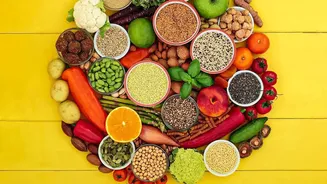
So, if greens, brinjal, and mushrooms are out, what should you eat? The Sawan diet is far from restrictive and includes a wonderful variety of delicious and nourishing foods. The focus is on 'phalahar', or a diet based on fruits and other vrat-friendly items. Fresh seasonal fruits, milk, and milk products like paneer and curd (though some avoid curd) form the base. For grains, devotees turn to alternatives like sabudana (tapioca pearls), kuttu ka atta (buckwheat flour), and singhara ka atta (water chestnut flour). Vrat-friendly vegetables include potatoes, sweet potatoes, pumpkin, and lauki (bottle gourd). Meals are typically seasoned with sendha namak (rock salt) instead of regular table salt, and spices are kept mild.