





A new interview with a former top spy has shed more light on the thwarted 2024 terror plot against a Taylor Swift concert in Vienna, adding a surprising new dimension to an already dramatic story of international intelligence cooperation.
What We Knew Before
In August 2024,
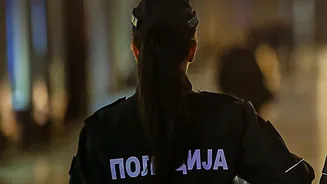
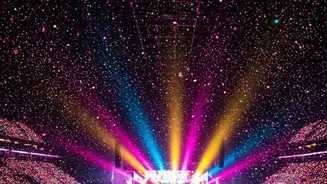
three of Taylor Swift’s much-anticipated 'Eras Tour' concerts in Vienna were abruptly cancelled. At the time, authorities in Austria announced they had foiled a potential terrorist plot by a cell linked to the Islamic State group. The news sent a chill through the entertainment world, highlighting the security vulnerabilities of large-scale public gatherings. Initial reports credited US intelligence agencies with providing the crucial information that led to arrests and prevented a potential tragedy that was expected to draw over 170,000 fans. In May 2026, Austrian courts sentenced two men, aged 21, to 15 and 12 years in prison, respectively, for their roles in the planned attack. The narrative seemed complete: a dangerous plot was stopped thanks to timely international cooperation.
A New Revelation from Mossad
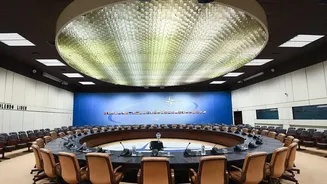
This week, the story gained a significant new chapter. David Barnea, the former director of Israel's famed intelligence agency, Mossad, revealed his agency's key role in disrupting the plot. Speaking at a conference in Jerusalem on November 23, 2026, Barnea stated that while Austrian authorities first identified the threat, they shared the information with Mossad. 'The moment this information was shared with the Mossad, we successfully used our unique capabilities in processing intelligence, cracking infrastructure, leading to the arrest of the global jihadist cell,' Barnea explained. He added that the joint effort prevented the 'mass murder of up to hundreds of young European men and women'.
Clarifying the Intelligence Picture
Barnea's comments do not so much raise questions as they add a new, crucial layer to the public understanding of the event. Rather than contradicting earlier reports about US involvement, his revelations highlight the multi-faceted nature of modern counter-terrorism. It appears that a coalition of intelligence services—Austrian, American, and Israeli—all played a part. Barnea's disclosure underscores the behind-the-scenes complexity of such operations, where different agencies contribute unique skills. While Austrian intelligence made the initial discovery, it was Mossad's specific expertise in analysis and network penetration that helped 'crack' the cell and lead directly to the arrests. This paints a fuller picture of a collaborative success, rather than the work of a single nation's agency.
The Broader Security Implications
The incident and Barnea's subsequent comments serve as a powerful reminder of the persistent threats facing major cultural events and the silent, international web of security that works to protect them. For fans, the initial news was alarming, but the successful operation was reassuring. The new details reinforce how vital intelligence sharing is in an interconnected world. Barnea's decision to speak on the matter now, years after the event, also serves a strategic purpose, demonstrating Mossad's capabilities and reinforcing the value of its security partnerships with European nations at a time of heightened global tensions. It highlights that for every visible security measure at a concert, there are often unseen layers of intelligence work that stop threats long before they reach the venue gates.