





More Than Just Punching Air
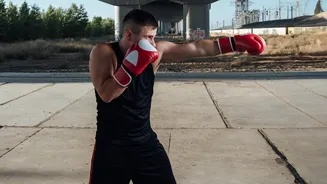
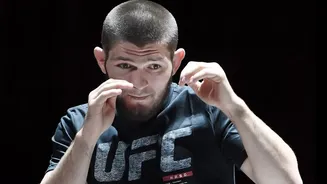
At its core, shadow boxing is a solo training method where you move, punch, and defend against an imaginary opponent. It’s a staple for professional fighters to refine technique and warm up, but its benefits extend to anyone seeking a dynamic, full-body
workout. By simulating a fight, you engage your mind and body, focusing on form, footwork, and combinations without the impact of hitting a bag or opponent. This makes it an incredibly versatile exercise that improves multiple aspects of your fitness simultaneously.
The Full-Body Fitness Benefits
The perks of adding shadow boxing to your routine are extensive. Firstly, it’s a phenomenal cardiovascular workout. The combination of constant movement and explosive punching intervals spikes your heart rate, improving endurance and burning calories effectively. Secondly, it builds total-body strength and muscle engagement; every punch activates your core, hips, shoulders, and back. Finally, it drastically improves coordination, balance, and mind-body connection. You learn to move your body as a single, fluid unit, which translates to better performance in other physical activities and everyday life.
The Beginner's Stance: Building the Foundation
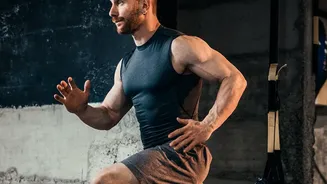
If you're new to shadow boxing, the primary goal is mastering the fundamentals. Don't worry about speed or complex combinations. Instead, focus entirely on proper form. Start in a stable boxing stance: feet shoulder-width apart, knees slightly bent, and your non-dominant side forward. Keep your hands up to protect your face and your elbows tucked in. A great starting point is to practice in front of a mirror to get instant visual feedback. Work on basic punches like the jab, cross, and hook. A simple routine could be three-minute rounds focusing on a single punch or a simple one-two (jab-cross) combination, followed by a minute of rest. The key is slow, deliberate movement to build muscle memory correctly.
The Intermediate's Flow: Adding Layers
Once you're comfortable with the basic punches and stance, it's time to add complexity. Intermediate shadow boxing is about creating a flow and rhythm. Start incorporating more dynamic footwork—moving forward, backward, and side-to-side. Introduce defensive manoeuvres like slips, rolls, and blocks between your punches. You can also begin 'stacking' combinations, building from a simple jab-cross to a longer sequence like jab-cross-hook. At this stage, you can increase the intensity and length of your rounds. Try adding light weights (1-2 lbs) or resistance bands to challenge your muscles, but only if you can maintain proper form.
The Advanced Edge: Visualization and Strategy
For advanced practitioners, shadow boxing becomes a strategic mental exercise. This is where you truly fight an imaginary opponent. Visualize their attacks and react with counters, defensive moves, and sophisticated footwork like pivots and side steps. Your combinations should be faster, more complex, and thrown with intention. A key technique at this level is 'fight simulation', where you structure your rounds to mimic a real match. For example, early rounds might be for 'feeling out' the opponent with jabs, middle rounds for applying pressure with power shots, and later rounds for pushing through fatigue. This level of shadow boxing not only provides a gruelling workout but also sharpens your mental acuity and fighting instincts.