






The High-Stakes World of Space Telescopes
The James Webb Space Telescope (JWST) is an undisputed triumph of engineering. Orbiting a million miles from Earth, it has delivered some of the most profound astronomical insights in history. Yet, it represents a massive, high-risk investment. From the moment
it launched, the clock started ticking on its operational lifespan. If a critical component fails or it runs out of fuel, there is no plan to fix it. This is the 'one-and-done' problem: building a multi-billion-dollar, once-in-a-generation instrument that is effectively disposable. Its distant orbit at the second Lagrange point (L2), essential for its infrared observations, puts it far beyond the reach of any currently planned crewed mission. This design philosophy means that any unforeseen issue, from micrometeoroid damage to component failure, could prematurely end its mission.
A Powerful Lesson from Hubble
We have a powerful example of the alternative: the Hubble Space Telescope. Launched in 1990 with a famously flawed primary mirror, Hubble's story could have been a cautionary tale. Instead, it became a testament to the value of serviceability. Because it was designed for maintenance and orbited in the accessible region of low-Earth orbit, NASA could dispatch Space Shuttle crews to fix the initial flaw and perform a series of upgrades over the years. These five servicing missions were transformative. Astronauts installed corrective optics, swapped in newer, more powerful scientific instruments, and replaced aging components like batteries and gyroscopes. As a result, Hubble today is vastly more capable than the telescope launched decades ago, and it has continued to produce groundbreaking science long past its original life expectancy.
Enter the Habitable Worlds Observatory
This is the context for NASA's next great flagship mission: the Habitable Worlds Observatory (HWO). Planned for launch in the 2040s, HWO has an incredibly ambitious primary goal: to be the first telescope designed specifically to search for signs of life on at least 25 Earth-like planets orbiting nearby stars. To do this, it will need to combine cutting-edge optics with a coronagraph capable of blocking a star's glare by a factor of 10 billion—an unprecedented technological leap. But beyond its scientific aims, HWO represents a fundamental shift in design philosophy, directly addressing the one-and-done problem. From the very beginning, HWO is being designed to be serviced.
Robots to the Rescue
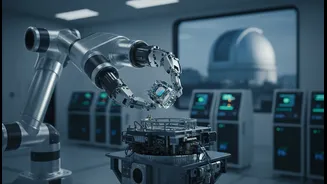
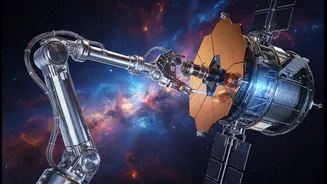
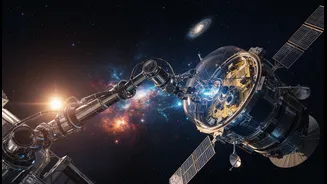
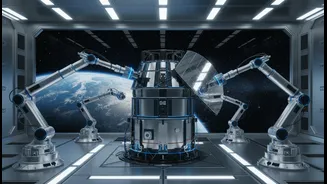
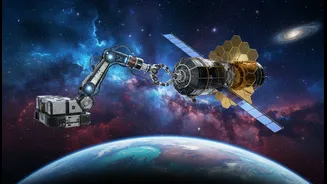
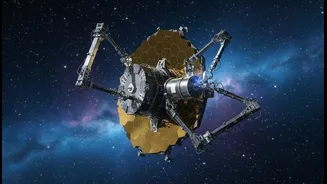
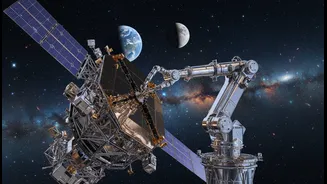
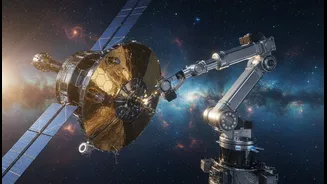
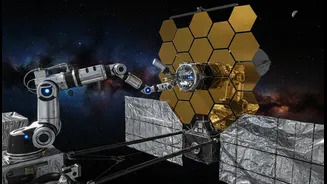
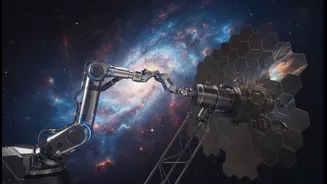
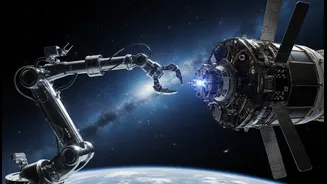
Unlike Hubble's astronaut-led repairs, HWO's servicing will be robotic. Since it will also operate at the distant L2 point, human missions are not considered viable. Instead, NASA envisions a new generation of robotic spacecraft capable of traveling a million miles, docking with the observatory, and performing complex maintenance. This could include refueling to extend the mission's life, swapping out entire scientific instrument packages for newer technology, repairing damage from micrometeoroids, or even performing the initial assembly of the telescope in space if its mirror is too large to launch fully formed. This approach turns the telescope from a static object into a sustainable, upgradable platform, much like observatories on Earth.
A More Sustainable Future for Discovery
Building serviceability into HWO from the ground up has profound implications. It lowers the stakes of the initial deployment; if an instrument has a problem, it can be replaced. It future-proofs the multi-billion-dollar investment, allowing for upgrades as technology advances over the decades of its operational life. This strategy not only maximizes the scientific return on investment but also provides a major driver for the commercial space industry to develop the advanced robotic servicing capabilities that will be needed. It marks a strategic pivot away from creating disposable wonders and toward building resilient, long-term infrastructure in space. By learning from the successes of Hubble and the inherent limitations of JWST, NASA is planning for a future where our greatest tools of discovery are built to last.