




The Science of the Sog
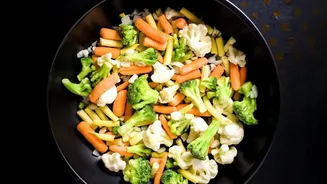
The journey from crisp to soggy begins with ice. When vegetables are frozen, the water inside them turns into ice crystals. These crystals can be sharp and jagged, and they puncture the vegetable's cellular walls. When you cook them, this damage causes
the cells to collapse and release all their water, resulting in a limp, waterlogged texture. The goal of good cooking is to evaporate this excess moisture as quickly as possible, allowing the vegetables to brown and crisp rather than steam in their own liquid. Methods that use high, dry heat are your best friends in this culinary battle.
Rule No. 1: Don't Thaw Them
It might seem counterintuitive, but for most cooking methods, you should cook vegetables directly from frozen. Thawing them first is a one-way ticket to a mushy meal. As they thaw, they release water, and if you then try to cook them, they will steam instead of sear or roast. By putting them directly into a hot pan or oven, you start the process of evaporating the ice crystals immediately, giving you a much better chance at a crispy outcome. The only exception might be for casseroles where excess moisture needs to be controlled, but for standalone side dishes, always cook from frozen.
Technique 1: High-Heat Roasting
Roasting is a fantastic way to concentrate flavour and achieve a delicious char. The key is high heat. Preheat your oven to a hot 220-230°C (425-450°F). It's also a great idea to preheat your baking sheet in the oven. When the frozen vegetables hit the hot metal, they'll start sizzling immediately. Before roasting, toss them in a bowl with a bit of oil and your desired seasonings. Spread them in a single, even layer on the hot baking sheet, making sure not to overcrowd the pan. If the veggies are too close together, they will steam. Roast for about 20-30 minutes, flipping them once halfway through, until they are golden brown and crispy at the edges.
Technique 2: The Sizzling Sauté
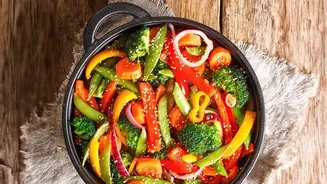
For a quick and flavourful side, sautéing is an excellent choice. Success here also depends on high heat and giving the vegetables enough space. Heat a bit of oil in a large skillet or wok over medium-high to high heat. Once the oil is shimmering, add the frozen vegetables directly to the hot pan. Don't overcrowd it; cook in batches if necessary. The goal is to get a good sear, which won't happen if the pan's temperature drops too much. Stir them occasionally, allowing them to sit for a minute or two between stirs to develop some browning. They should be ready in about 5-7 minutes, cooked through but still with a pleasant bite.
Technique 3: The Air Fryer Advantage
The air fryer might be the ultimate tool for combating soggy frozen vegetables. Its design circulates hot air rapidly, which is perfect for drying out the surface of the veggies and making them wonderfully crisp. Preheat your air fryer to around 200°C (400°F). Toss your frozen vegetables with a light coating of oil and seasonings. Place them in the air fryer basket in a single layer, avoiding an overfilled basket which prevents proper air circulation. Cook for about 10-15 minutes, shaking the basket halfway through to ensure even cooking. Some guides suggest pausing to drain any excess water that collects at the bottom of the basket for even better results.
When Steaming or Boiling Is Necessary
Sometimes a recipe calls for boiled or steamed vegetables. While these methods are most prone to creating sogginess, you can minimize the damage. The key is to use as little water as possible and to cook them for the shortest time needed. Frozen vegetables are often partially cooked (blanched) before freezing, so they need less cooking time than fresh ones. For steaming, ensure the vegetables are in a basket above the boiling water, not touching it. For boiling, use a small amount of water and cook for just a few minutes until they are tender-crisp. Avoid overcooking at all costs, as that's the primary cause of mushiness in these methods.