


From Ceremonial Symbol to Everyday Signature
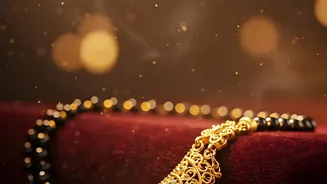
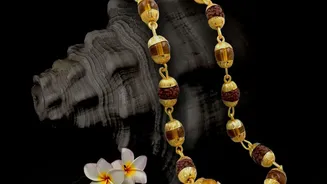
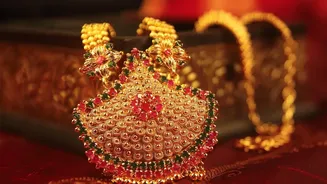
For generations, the mangalsutra was defined by its substantial presence—a long, often heavy gold chain with elaborate black bead work, worn with pride at ceremonies but frequently stored away for safekeeping. Its significance was immense, but its practicality
in a modern, fast-paced life was limited. The 2026 design trend flips this narrative entirely. Today's bride is no longer content with a symbol of her marriage that spends most of its life in a jewellery box. She wants a piece that can accompany her from a morning meeting to an evening out, seamlessly blending with both her ethnic and Western wardrobes. This shift is driven by a powerful desire for wearability, transforming the mangalsutra into an everyday signature piece that reflects her identity as much as her marital status.
The New Design Language: Less is More
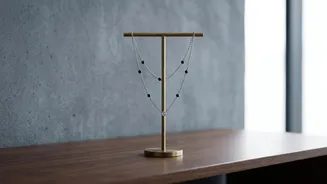
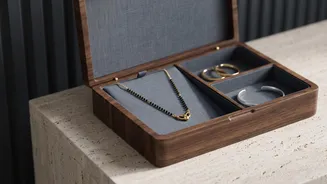
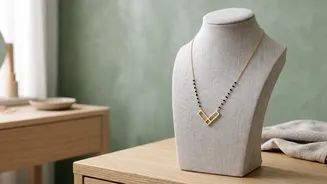
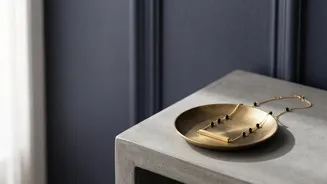
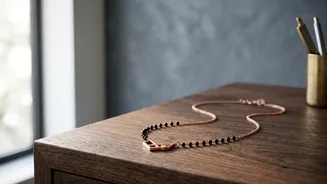
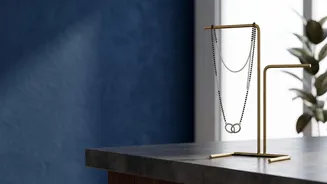
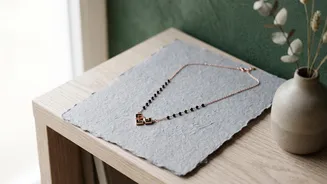
So, what does a minimal mangalsutra look like in 2026? Think delicate chains, subtle details, and a focus on clean lines. The heavy pendants of the past are making way for single solitaires, geometric shapes, or small, meaningful charms. While the traditional black beads remain a core element, they are used more sparingly, sometimes just as a subtle accent on a sleek gold or platinum chain. Materials are also diversifying, with rose gold and white gold becoming popular choices for their soft, contemporary feel. The overall effect is one of understated elegance—a piece of fine jewellery that whispers rather than shouts, designed for comfort and continuous wear.
Celebrities Champion the Understated Look
Much of this trend's momentum can be credited to Bollywood's leading ladies. Celebrities have become powerful ambassadors for the minimal mangalsutra, showcasing designs that are both personal and incredibly chic. Alia Bhatt's widely seen mangalsutra, featuring a teardrop diamond and an infinity symbol, is a perfect example of personalization. Similarly, Deepika Padukone’s single solitaire design set the benchmark for minimalist elegance, proving that a single, high-quality element can make a powerful statement. Katrina Kaif and Kiara Advani have also been seen with delicate, diamond-focused designs that align with the 'less is more' philosophy. By wearing these pieces with everything from sarees to casual wear, they've demonstrated the versatility of the modern mangalsutra and inspired countless brides to follow suit.
A Symbol Reimagined for a New Generation
This evolution in design is more than just a fashion statement; it reflects a deeper cultural shift. The modern bride is choosing to honour tradition on her own terms. For her, the mangalsutra is not just an inherited custom but a personal choice. Opting for a minimal design is a way of integrating this profound symbol into her life in a way that feels authentic to her. It’s about retaining the emotional and cultural significance of the mangalsutra while adapting it to a contemporary lifestyle. Customisation is also on the rise, with brides incorporating initials, zodiac signs, or other personal motifs to make the piece uniquely their own. This move toward personalization underscores a desire for jewellery that tells a personal story.
How to Choose Your Forever Piece
For brides-to-be embracing this trend, choosing the right minimal mangalsutra is about balancing style, symbolism, and practicality. Consider your daily lifestyle: a shorter chain that sits closer to the collarbone is often more practical for office wear and an active life. Think about your personal style—are you drawn to the classic sparkle of a solitaire, the modern edge of a geometric pendant, or the romantic feel of rose gold? Since this is a piece intended for daily wear, durability is key. Opting for high-quality materials like 18K gold and a secure setting will ensure your mangalsutra remains a cherished companion for years. The goal is to find a design that feels less like an obligation and more like a natural extension of yourself.